


Tube Bending in Railway Industry plays a crucial role in ensuring the precision and durability required for modern train manufacturing. Every tube, frame, and connection must endure constant vibration, mechanical stress, and harsh environmental conditions throughout years of operation. If you’re wondering how this process helps engineers achieve the perfect combination of strength, flexibility, and efficiency, you’re in the right place. In this article, I’ll explore why tube bending has become essential in railway engineering, how various bending methods are applied, and the key advantages they bring to train structures, safety systems, and overall passenger experience. By the end, you’ll see clearly why tube bending remains one of the most versatile and reliable technologies in railway fabrication.
The Role of Tube Bending in Modern Railway Engineering
Precision and Consistency in Structural Components
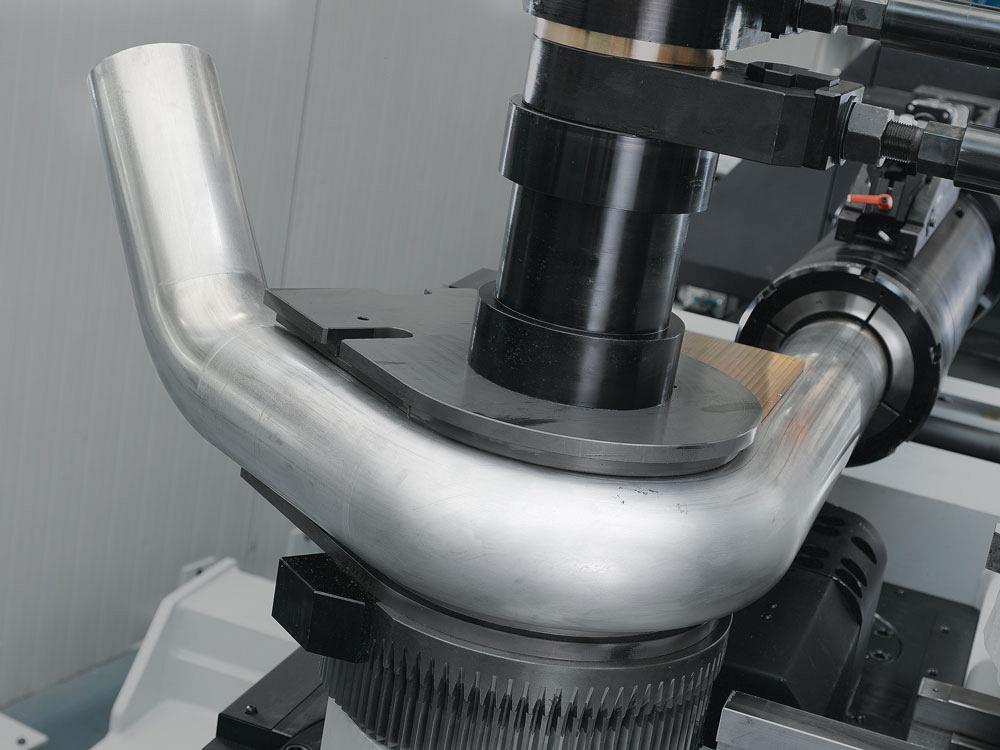
Railway vehicles rely heavily on metal tubes for both internal and external frameworks—ranging from handrails and ladders to air-conditioning ducts and under-carriage piping. Tube bending ensures that each component maintains consistent geometry and wall thickness, which is crucial for long-term stability. Using CNC tube bending machines, engineers can achieve precise angles and repeatable shapes across large production runs, reducing waste and improving assembly efficiency.
Strength Without Excess Weight
In the railway industry, weight optimization is essential to minimize energy consumption and extend vehicle lifespan. Tube bending allows manufacturers to design lighter frames without sacrificing strength. By eliminating weld joints and sharp corners, bent tubes distribute mechanical stress more evenly. This helps achieve stronger yet lighter structures for train seats, chassis, and door frames.
Applications of Tube Bending in Railway Industry
Tube Bending for Railway Safety and Comfort Systems
Safety systems in trains—such as grab rails, guard structures, and emergency ladders—often require custom-bent stainless-steel tubing. These tubes must not only fit precisely but also meet strict safety standards. In addition, air-conditioning systems use bent tubes for efficient airflow and reduced vibration noise, contributing to passenger comfort.
Hydraulic Tube Bending in Brake and Fuel Lines
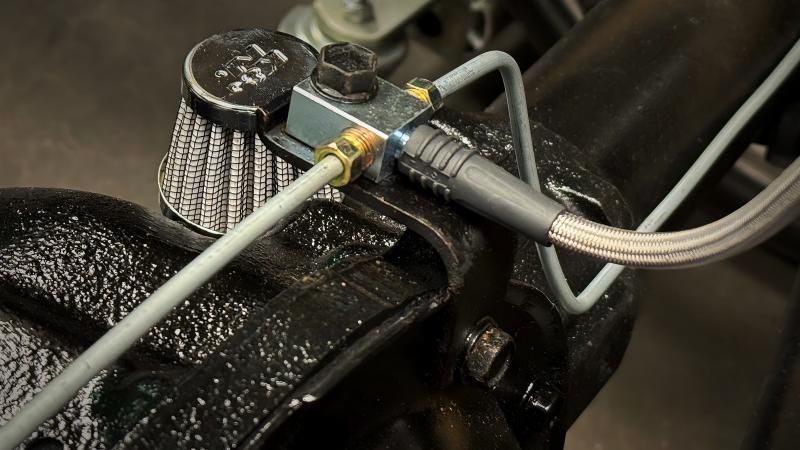
Hydraulic and pneumatic systems are the heart of train braking and power transmission. Hydraulic tube bending enables smooth curvature and minimal friction loss in fuel, brake, and coolant lines. A consistent inner diameter ensures fluid stability, reducing the risk of leaks or pressure drops during operation.
Aluminum Tube Bending for Lightweight Train Designs
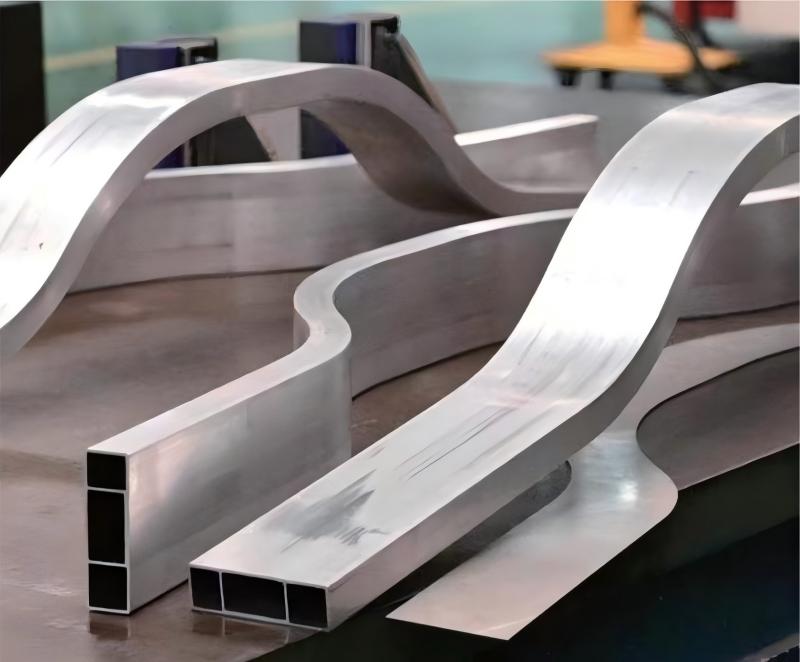
Modern train designs emphasize speed and energy efficiency. To achieve this, manufacturers increasingly use aluminum tubing. CNC aluminum tube bending techniques provide high precision while preserving the material’s lightweight properties. This approach is widely used in high-speed trains, metro vehicles, and locomotive interiors.
Key Benefits of Tube Bending in Railway Industry
Enhanced Durability and Fewer Welding Points
Fewer joints mean fewer weak spots. Tube bending minimizes the need for welding, reducing potential points of failure and corrosion over time. This ensures a longer service life for key components exposed to vibration and moisture.
Streamlined Aesthetics and Aerodynamics
Bent tubes create sleek, modern surfaces that enhance both the visual design and aerodynamic performance of trains. This is particularly valuable in high-speed railway applications, where every small reduction in drag contributes to higher efficiency.
Simplified Assembly and Maintenance
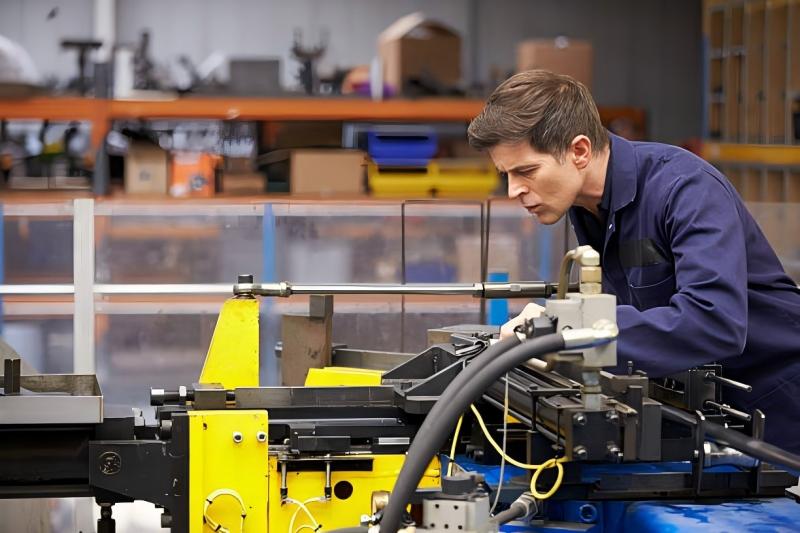
Pre-bent tubing can be directly installed during assembly, reducing labor time and error rates. Because each bend is digitally programmed, replacement parts can be reproduced accurately, simplifying long-term maintenance.
FAQs
What materials are commonly used for Tube Bending in Railway Industry?
Stainless steel, aluminum, and carbon steel are the most common. Each material offers a unique balance of strength, corrosion resistance, and weight—selected based on the specific part and operating environment.
How does CNC tube bending improve accuracy in railway production?
CNC bending machines use servo-controlled axes and digital programming to achieve exact angles and radii, ensuring that each tube matches design specifications perfectly across large production batches.
Can tube bending reduce overall production costs for railway manufacturers?
Yes. By reducing welding operations, material waste, and assembly time, tube bending significantly lowers total manufacturing costs while maintaining or improving product quality.
Conclusion
Tube bending plays a vital role in shaping the modern railway industry. It combines precision, efficiency, and flexibility—qualities that make it indispensable for both structural integrity and aesthetic appeal. From high-speed train bodies to intricate safety systems, every bent tube contributes to the performance and reliability of railway vehicles.
If you’re looking to optimize your production process or explore advanced tube bending solutions, our HARSLE engineering team can help. Contact us today to learn more about our CNC and NC tube bending machines designed specifically for railway and transportation applications.


