


Tube Bending in Refrigeration Storage plays a vital role in creating efficient, durable, and space-saving cooling systems. If you’ve ever wondered why this process is widely adopted in modern refrigeration manufacturing, this article will give you the answer. I’ll walk you through how tube bending enhances refrigeration system performance by improving refrigerant flow, minimizing leakage risks, and optimizing overall system design. Whether you’re a manufacturer, designer, or engineer working in the refrigeration field, this guide will help you clearly understand the major benefits and technical advantages of applying tube bending in refrigeration storage applications.
Understanding the Role of Tube Bending in Refrigeration Storage
Efficient Heat Exchange and Fluid Flow
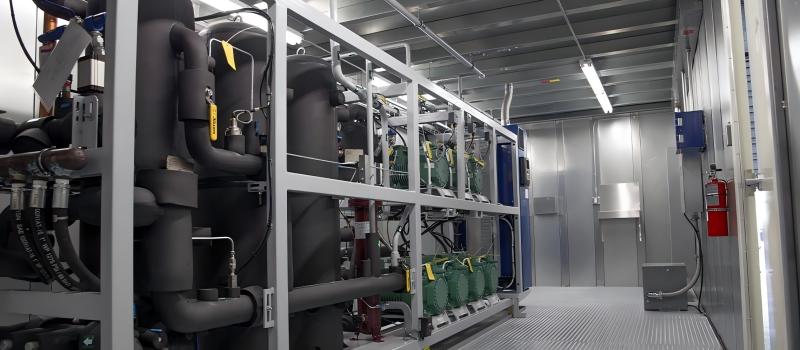
In refrigeration storage systems, the efficiency of heat exchange depends largely on how smoothly the refrigerant flows through the tubing. Bent tubes eliminate the need for multiple connectors and fittings, allowing for seamless refrigerant circulation. With fewer joints, there’s less resistance and pressure drop, which directly improves cooling performance. Tube bending also supports compact layouts—essential for storage systems where space optimization is critical.
Reducing Leakage and Maintenance Costs
One of the biggest challenges in refrigeration systems is preventing refrigerant leaks. Each welded joint or connector introduces a potential weak point. By using continuous bent tubes, manufacturers can minimize the number of joints, reducing leak risks dramatically. This not only improves system reliability but also lowers long-term maintenance costs. Consistent, precision bending ensures each curve maintains the correct wall thickness and diameter for reliable, long-term sealing.
How Tube Bending Improves System Design and Manufacturing
Simplified Assembly and Installation
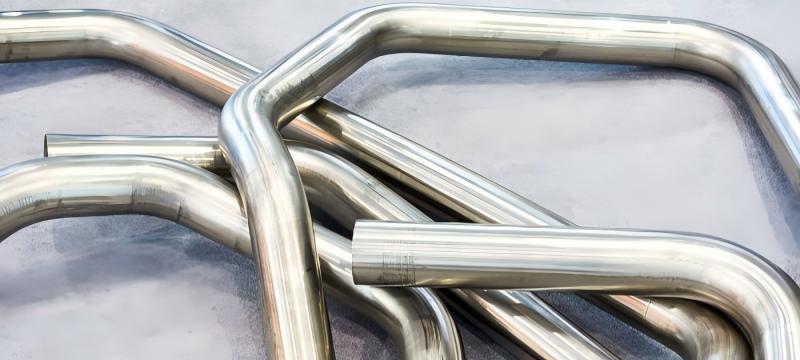
Tube bending allows engineers to create pre-formed tubing assemblies that fit precisely into storage systems without excessive cutting or welding. This streamlines the production process and reduces assembly time. With CNC tube bending machines, each bend can be reproduced with exceptional accuracy, ensuring every unit meets consistent quality standards.
Enhanced Durability and Structural Integrity
Refrigeration environments often involve vibration, pressure fluctuations, and temperature variations. Bent tubes provide better mechanical stability than welded assemblies. The continuous structure of a bent tube distributes stress evenly, preventing cracks or fatigue in high-pressure zones. This structural integrity translates into longer system life and fewer service interruptions.
Supporting Custom and Compact Designs
Modern refrigeration storage units, especially those for industrial and commercial use, demand space-saving designs. Tube bending technology enables customized configurations that match the exact geometry of the storage compartment. Whether for horizontal evaporators or vertical condenser layouts, precise bends make it possible to achieve high capacity in a smaller footprint.
Technical Considerations for Tube Bending in Refrigeration Storage
Selecting the Right Tube Material
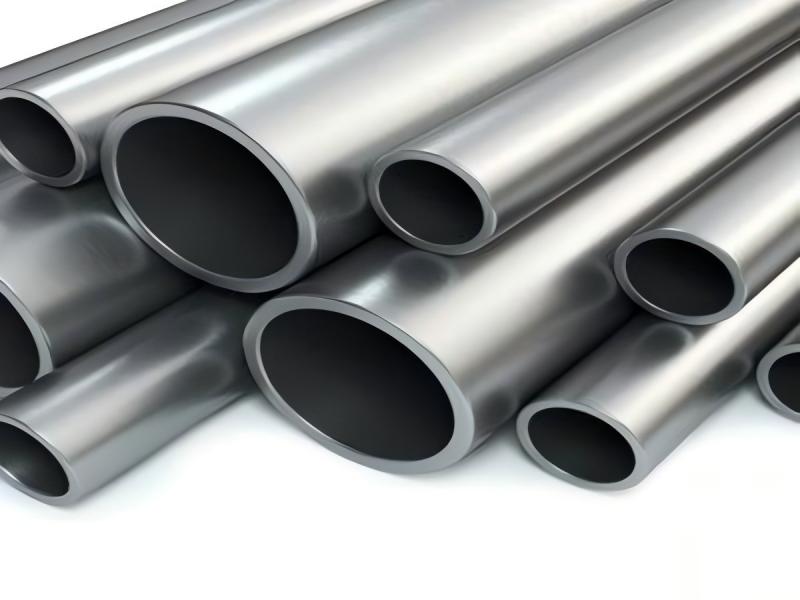
Copper and stainless steel are the most commonly used materials in refrigeration due to their excellent thermal conductivity and corrosion resistance. Tube bending machines can handle both materials efficiently, maintaining dimensional accuracy while preventing surface damage. Choosing the correct material and bending radius helps ensure long-term performance.
Precision Bending for High-Pressure Refrigerants
Refrigeration systems often operate under high pressure. Therefore, the bending process must maintain consistent wall thickness and avoid flattening or wrinkling. CNC tube bending machines with intelligent servo control systems can achieve these tolerances precisely, ensuring each tube meets strict performance standards.
Integration with Automated Manufacturing Lines

Many large-scale refrigeration equipment manufacturers now integrate tube bending machines into automated production lines. This not only boosts productivity but also guarantees consistent quality across batches. Automated bending also allows for efficient material usage and reduced waste—factors that are crucial for cost control and sustainability.
FAQs
Why is Tube Bending in Refrigeration Storage more efficient than welding?
Tube bending eliminates the need for multiple joints and fittings, reducing potential leak points and improving refrigerant flow. It also minimizes assembly time and enhances reliability.
What types of materials are best suited for Tube Bending in refrigeration systems?
Copper and stainless steel are ideal choices due to their heat transfer efficiency and corrosion resistance. Both materials can be bent precisely without compromising performance.
How does CNC tube bending improve manufacturing quality?
CNC bending machines ensure precise control over angles and radii, maintaining consistent wall thickness and reducing the risk of deformation. This guarantees better product consistency and reliability.
Can tube bending be used for both small and large refrigeration storage systems?
Yes. Tube bending is adaptable for compact units like household refrigerators as well as large industrial cooling systems, offering scalable design flexibility.
Conclusion
Tube Bending in Refrigeration Storage is a crucial process that enhances energy efficiency, reliability, and design flexibility in modern cooling systems. By minimizing leaks, improving heat exchange, and enabling compact layouts, tube bending ensures both performance and cost benefits for manufacturers and end users alike.


