


Tube Bending in Rehabilitation Equipment is essential for creating products that combine durability, stability, and ergonomic precision. In the design of mobility and rehabilitation devices, these qualities are critical to ensuring long-term safety and performance. Just as understanding the Basic Functions and Types of Press Brakes helps manufacturers achieve precise sheet metal forming, mastering tube bending techniques allows engineers to produce wheelchair frames, hospital beds, and other structures that are both strong and lightweight. In this article, I’ll discuss how tube bending improves the overall quality and lifespan of rehabilitation equipment, the methods that ensure accuracy and consistency, and how thoughtful design contributes to user comfort and product reliability.
The Importance of Tube Bending in Rehabilitation Equipment
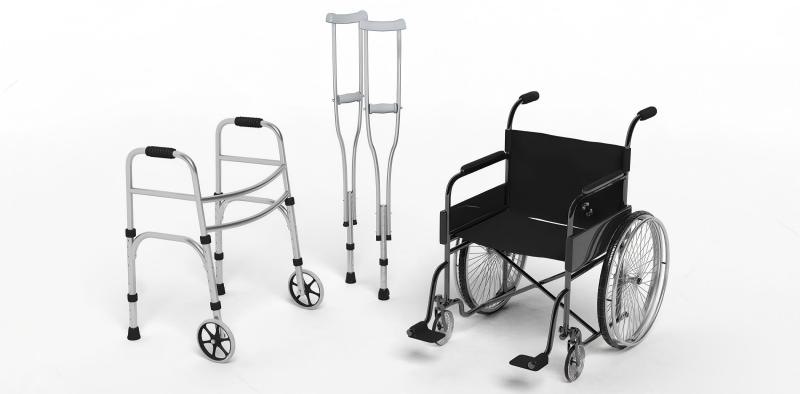
Tube bending allows manufacturers to create smooth, continuous structures without weak welded joints. This technique ensures the frame can handle repeated stress and weight-bearing applications. From walker frames to adjustable medical chairs, every bend impacts the product’s overall strength and longevity. By understanding Basic Functions and Types of Press Brakes, engineers can better adapt bending angles, radii, and materials to specific rehabilitation product designs.
How Tube Bending Enhances Structural Integrity

During rehabilitation equipment production, tubes must maintain a uniform cross-section throughout the bend. This precision prevents thinning or deformation that could compromise the product’s load capacity. Advanced CNC tube benders apply consistent pressure and controlled speed, similar to how press brakes maintain bending angles with servo control systems. The result is a smoother surface finish and improved fatigue resistance.
Material Selection and Bending Methods
The choice of materials directly affects bending performance and durability. Common materials include stainless steel, aluminum, and titanium—each offering a balance between strength and flexibility. Techniques such as mandrel bending are ideal for creating tight radii without wrinkles or cracks. For instance, lightweight aluminum tubes used in wheelchair frames require precise control to avoid distortion during bending, ensuring both safety and a sleek design.
Techniques to Improve Durability Through Tube Bending
Optimizing Bending Angles and Radii
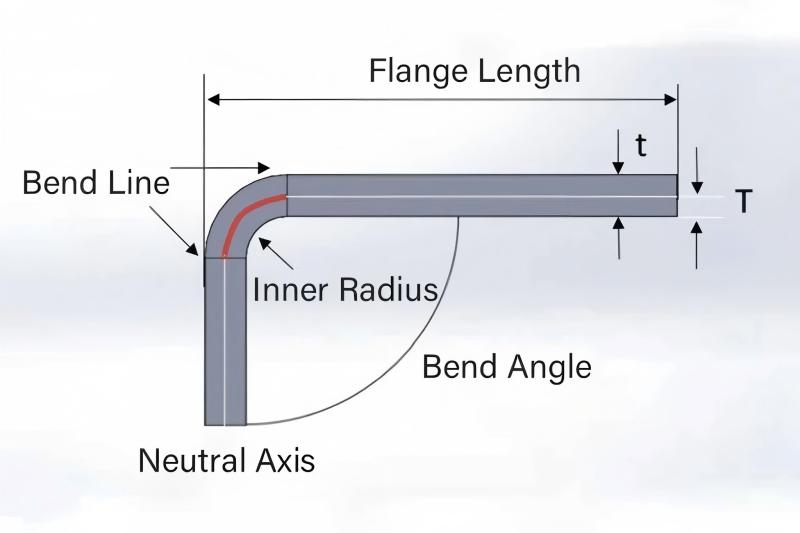
Proper angle control is essential for ensuring even stress distribution. Over-bending or under-bending can lead to structural fatigue. CNC-controlled tube benders calculate exact parameters to achieve consistent results. Manufacturers often simulate stress points digitally to verify that each bend meets design tolerances before mass production.
Using Reinforcement and Multi-Layer Designs
In high-load rehabilitation equipment such as hospital lifts or parallel bars, engineers may incorporate reinforcement sections or double-layer tube designs. These added features strengthen the structure while maintaining the lightweight advantage of bent tubing. The principle is similar to how press brakes use crowning systems to compensate for deflection—ensuring even force across the entire work area.
Finishing and Surface Treatment
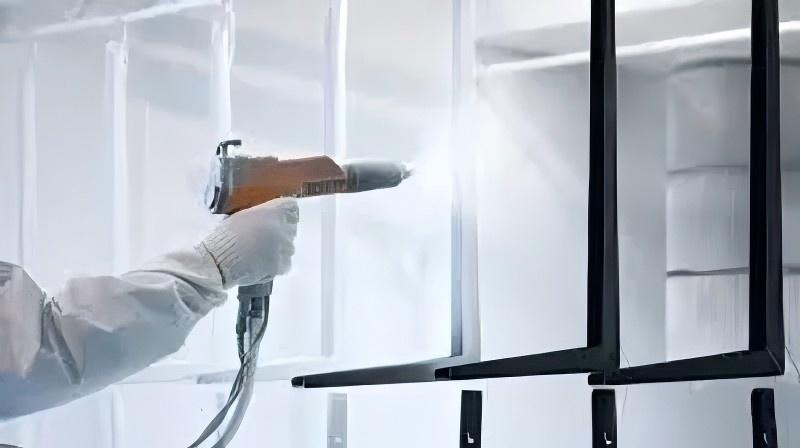
After bending, the surface treatment process significantly affects long-term durability. Powder coating, anodizing, or electroplating not only enhances appearance but also prevents corrosion in humid or medical environments. Smooth finishes are particularly important for user comfort and hygiene in rehabilitation devices.
Common Tube Bending Challenges and Solutions
Managing Springback
Springback occurs when the tube slightly returns to its original shape after bending. To counter this, manufacturers adjust bending angles or use specialized tooling. CNC systems can automatically compensate for springback to achieve precise final angles.
Avoiding Wall Thinning and Wrinkles
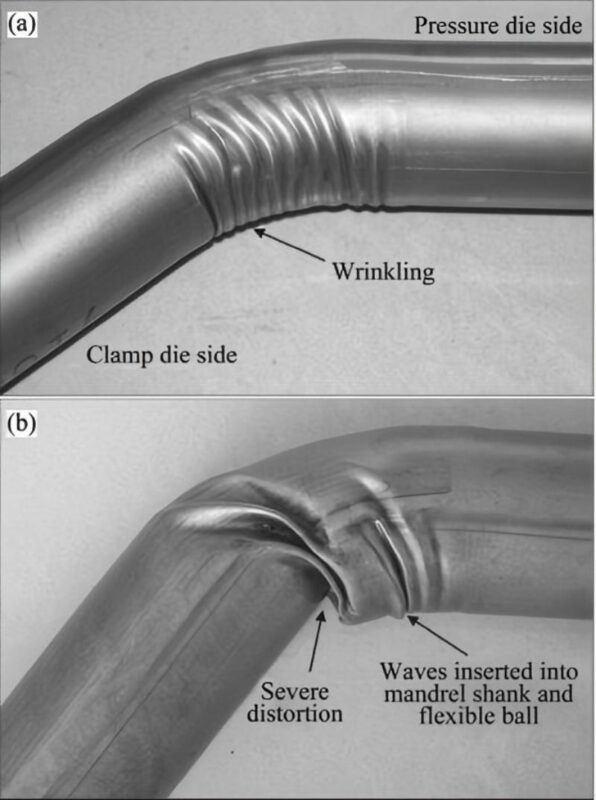
Wall thinning weakens the structure, especially in tight-radius bends. Using an internal mandrel and supportive dies minimizes these defects. Choosing the correct bending speed and lubrication further improves material flow during the process.
Maintaining Dimensional Accuracy
Consistency is key in large-scale production. Digital measuring systems and real-time feedback mechanisms ensure each bent component meets the exact dimensions required for assembly. This precision reduces the risk of mismatched parts and ensures long-term alignment of rehabilitation equipment.
FAQs
How does tube bending improve the durability of rehabilitation equipment?
Tube bending eliminates weak welds and joints, producing seamless, stronger structures that withstand long-term mechanical stress.
What type of tube bending method is best for wheelchair production?
Mandrel bending is commonly used because it maintains the tube’s inner diameter and prevents deformation, resulting in safer and more reliable wheelchairs.
How is tube bending related to press brake functions?
Both processes rely on precision control of force and angle. Understanding the Basic Functions and Types of Press Brakes helps engineers transfer similar accuracy principles to tube bending for better structural results.
How can I prevent cracks during tight-radius bending?
Selecting the right material, reducing bending speed, and using a mandrel insert are effective ways to avoid cracking or wrinkling.
Conclusion
Durability in rehabilitation equipment begins with intelligent design and precise manufacturing. By applying Tube Bending in Rehabilitation Equipment, manufacturers create lightweight, strong, and ergonomic products that last longer and perform better under daily use. Combining this technique with knowledge of the Basic Functions and Types of Press Brakes ensures that each component meets the highest standards of safety and quality.
If you want to learn more about how HARSLE’s advanced bending solutions can improve your production line or explore our full range of metalworking machinery, feel free to contact our team today for expert guidance and customized solutions.


