


When it comes to building modern ships, precision and strength are everything. Tube Bending in Shipbuilding Industry plays a vital role in shaping pipelines, frames, and structures that must withstand extreme marine conditions. If you’re curious about how tube bending improves ship design, efficiency, and durability, you’re in the right place. In this article, I’ll explain how tube bending contributes to shipbuilding, the technologies involved, and why choosing the right tube bending machine can make a real difference in both production quality and cost efficiency.
The Importance of Tube Bending in Shipbuilding
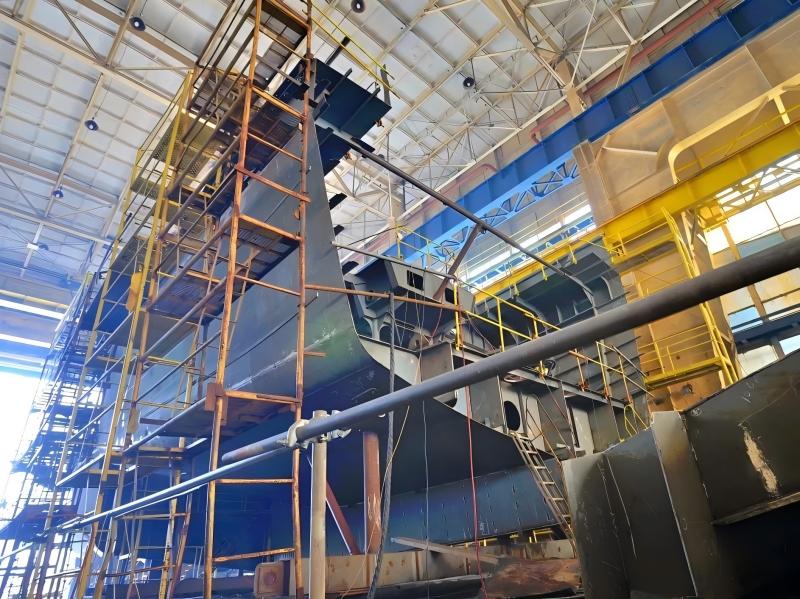
In the shipbuilding industry, hundreds of meters of tubing are used for fuel systems, cooling lines, hydraulic circuits, and structural frameworks. Tube bending allows engineers to shape these components precisely without welding multiple segments. This not only saves time but also reduces the risk of leaks and weak points that can occur at jointed connections.
By using CNC tube bending machines, shipbuilders achieve uniform angles and smooth curvature, which ensures optimal flow efficiency for fluids and gases inside the pipes. Consistency in tube geometry is also essential for compact system layouts on large vessels, where space utilization and accessibility matter.
Advantages of CNC Tube Bending for Marine Structures
High Precision and Repeatability
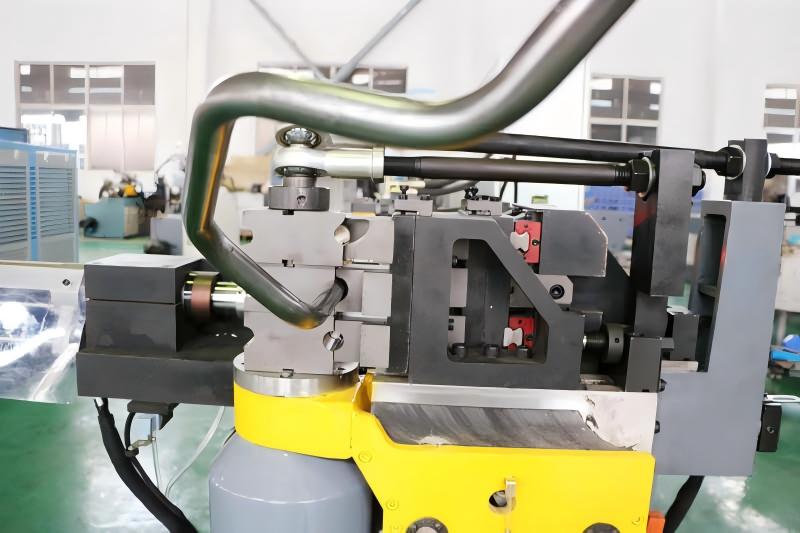
CNC tube bending technology guarantees consistent angles and radii across multiple parts. This accuracy is critical for ship systems that require exact alignment, such as fuel and ballast piping or HVAC ducting.
Reduced Welding and Assembly Time
With seamless bends, fewer joints are needed, minimizing welding labor and inspection costs. This not only speeds up assembly but also enhances the safety and integrity of marine pipelines.
Enhanced Corrosion Resistance
Each weld seam represents a potential corrosion point. By reducing the number of welded joints, tube bending improves the overall resistance to saltwater corrosion—a key advantage in the harsh marine environment.
Material Efficiency and Lower Waste
Modern bending machines calculate the optimal bending sequence, minimizing material waste and ensuring consistent wall thickness. For high-value materials like stainless steel or copper-nickel alloys, this translates into significant cost savings.
Applications of Tube Bending in Shipbuilding Projects
Hydraulic and Fuel Systems
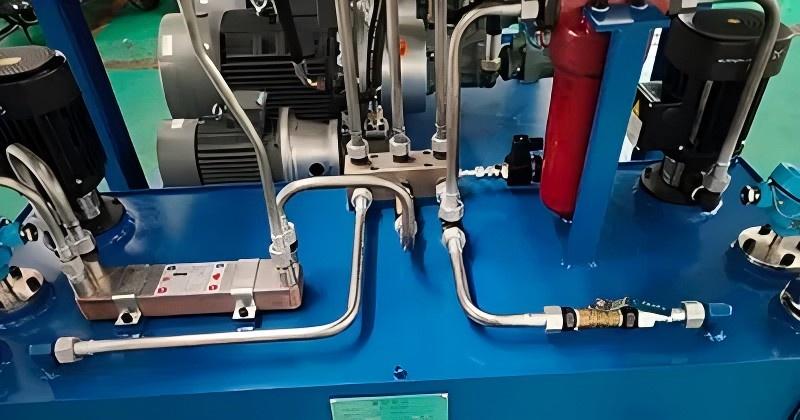
Ship hydraulic systems rely on bent tubes to deliver pressurized fluid to steering gear, cranes, and deck machinery. Precision bends prevent pressure drops and leaks that can compromise performance.
Cooling and Ventilation Lines
Marine engines and HVAC systems depend on bent tubes for efficient air and coolant flow. CNC bending ensures these tubes fit into tight spaces while maintaining the correct flow direction.
Structural Components
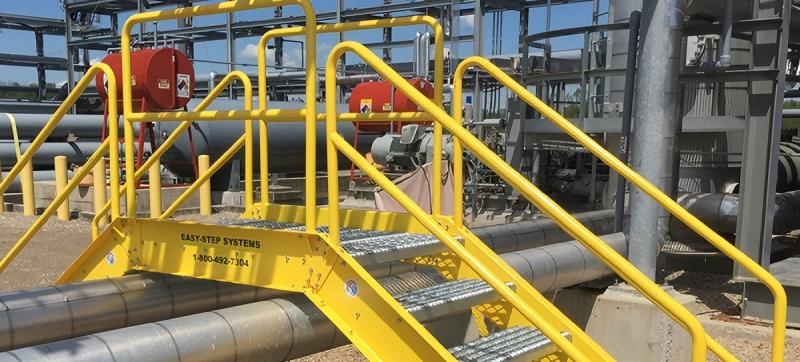
Tube bending is also used in fabricating handrails, ladders, safety barriers, and other structural parts. These components require smooth, aesthetic curves that meet strict safety and design standards.
Choosing the Right Tube Bending Machine for Shipbuilding
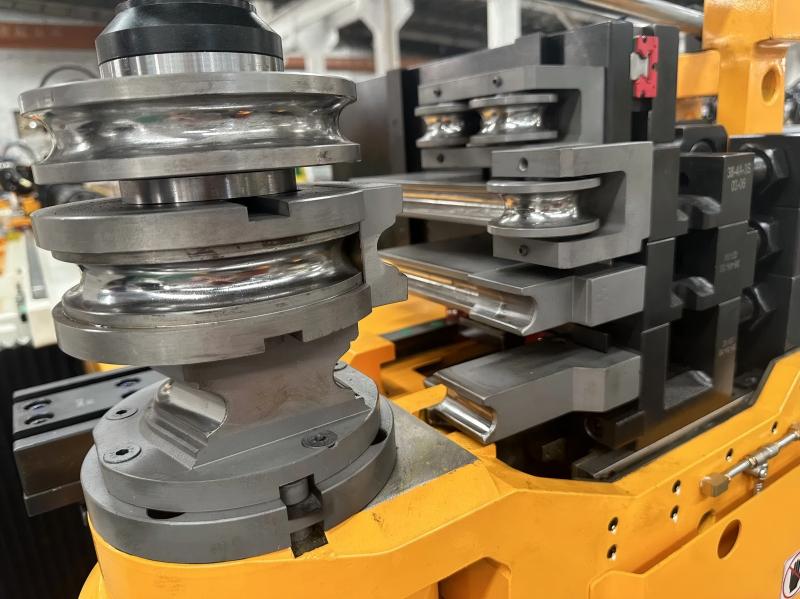
Selecting a suitable tube bending machine is crucial to achieving high-quality results. When working with marine-grade materials like stainless steel or aluminum, the machine should support multi-radius bending and maintain high precision over long production cycles.
Look for models with:
- Automatic angle correction for consistent results
- Mandrel and wiper die systems to prevent tube deformation
- Multi-axis control for complex 3D bending operations
- Offline programming software to simulate and optimize production before bending begins
These features help reduce production errors and shorten lead times, which are key factors in large-scale shipbuilding projects.
FAQs
Why is tube bending preferred over welding in shipbuilding?
Tube bending eliminates the need for multiple welded joints, reducing leak risks and corrosion points. It also saves time during installation and improves the structural integrity of the system.
What materials are commonly bent for marine applications?
Stainless steel, copper-nickel, and aluminum alloys are most common due to their corrosion resistance and mechanical strength in marine environments.
How does CNC tube bending improve production efficiency?
CNC systems automate angle adjustments, reduce manual setup time, and ensure consistent results across multiple bends, which enhances speed and accuracy.
Can tube bending machines handle large-diameter tubes used in ships?
Yes. Heavy-duty CNC tube bending machines are capable of bending large-diameter pipes used in ship exhaust, ventilation, and ballast systems without compromising accuracy.
Conclusion
Tube Bending in Shipbuilding Industry has revolutionized how ships are designed and assembled. By enabling precise, seamless tube fabrication, it enhances performance, safety, and durability across all ship systems—from hydraulics to ventilation. Investing in advanced CNC tube bending technology allows shipbuilders to improve production efficiency, minimize waste, and maintain high quality standards in every vessel.


