


Tube Bending in Wheelchair Manufacturing is essential for achieving precision, adaptability, and comfort in mobility equipment production. It plays a vital role in forming lightweight yet durable metal frames that meet strict ergonomic and performance standards. By utilizing advanced bending technology, manufacturers can produce customized wheelchair designs that perfectly match users’ mobility and comfort requirements. In this article, I’ll explore how modern tube bending techniques enhance design flexibility, boost production efficiency, and enable the creation of highly personalized wheelchair frames for diverse needs.
The Role of Tube Bending in Wheelchair Manufacturing
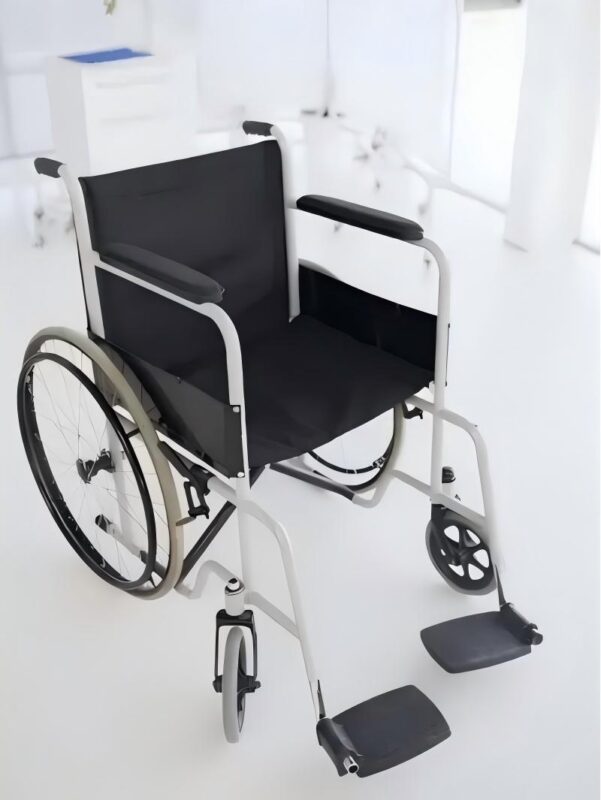
Precision Forming for Ergonomic Frames
Accurate tube bending ensures that every curve and joint aligns perfectly with the human body. A well-designed frame reduces strain on the user’s shoulders and arms while improving overall comfort. By using CNC-controlled tube benders, manufacturers can achieve tight tolerances and consistent angles, resulting in symmetrical and stable structures. This precision is especially important when creating lightweight aluminum or titanium wheelchairs, where even a small deviation can affect performance.
Lightweight Materials and Strength Balance
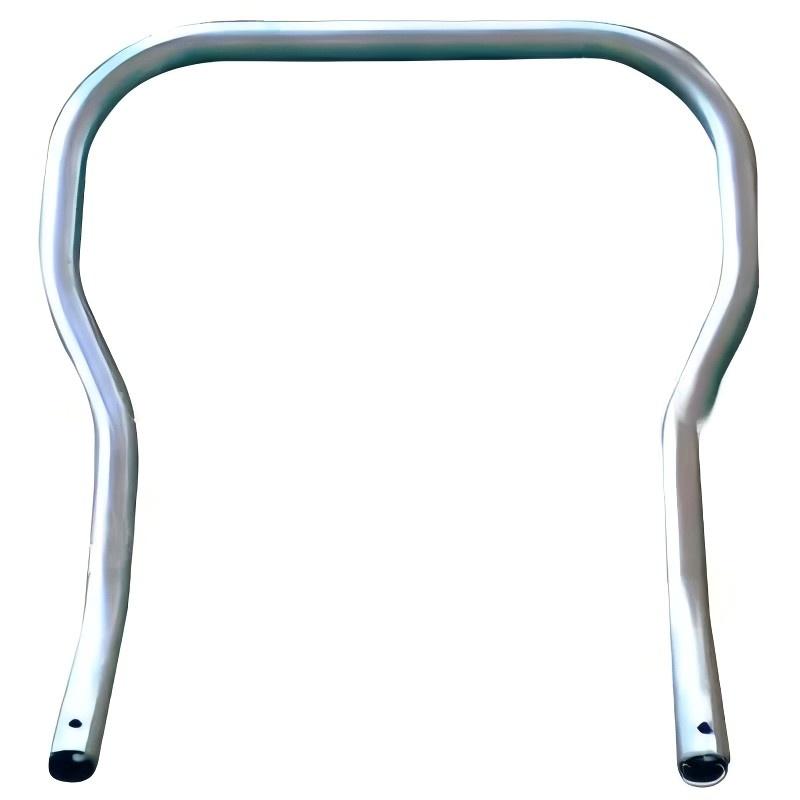
Wheelchairs must strike a balance between being light enough for easy maneuverability and strong enough to support different weight capacities. Tube benders allow for controlled deformation of materials like aluminum, stainless steel, and titanium without compromising their structural integrity. This means engineers can design thinner tubing with reinforced curves that maintain strength while reducing weight—a major advantage for both manual and electric wheelchair users.
Customization for Individual Mobility Needs
Every wheelchair user has unique physical requirements. Tube bending enables manufacturers to produce customized frame geometries, adjustable backrests, and angled supports to fit each user perfectly. Whether the design calls for tighter turning radii, lower seating positions, or sport-specific configurations, tube benders make it possible to translate digital 3D models into precise, real-world components.
How Tube Bender Improves Production Efficiency
Reducing Welding and Assembly Time

By bending a single tube into complex shapes, manufacturers can minimize the number of joints and welds needed for each frame. Fewer welds mean less risk of structural failure and a smoother appearance. Automated tube benders can produce these shapes in one continuous operation, cutting production time while maintaining consistent quality.
Enhancing Repeatability with CNC Systems
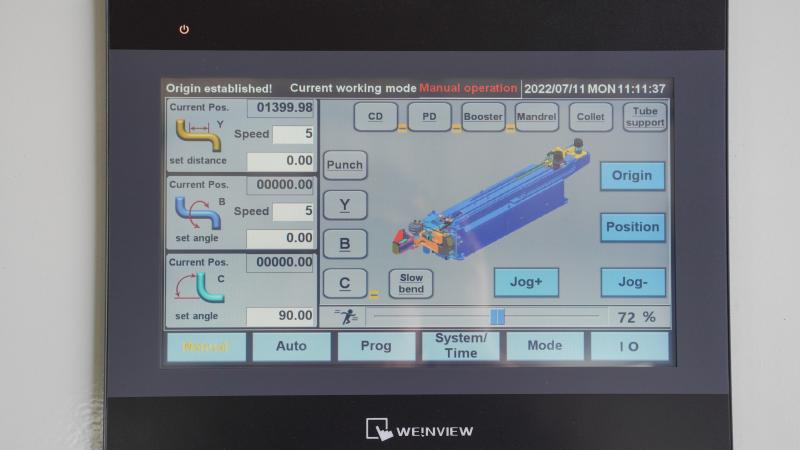
Modern CNC tube benders store multiple bending programs, allowing quick changeovers between different wheelchair models. This flexibility helps manufacturers produce both mass-market and custom frames without lengthy retooling. As a result, production lines can efficiently handle various frame styles while ensuring every bend meets the same high-precision standard.
Energy Efficiency and Material Savings
Advanced servo-driven tube benders use intelligent control systems that reduce energy consumption during operation. In addition, accurate bending reduces material waste caused by trial-and-error forming. Over time, this translates into significant cost savings and a more sustainable manufacturing process—an increasingly important factor for modern mobility equipment producers.
Common Challenges and Solutions in Tube Bending for Wheelchairs
Deformation and Wrinkling Control
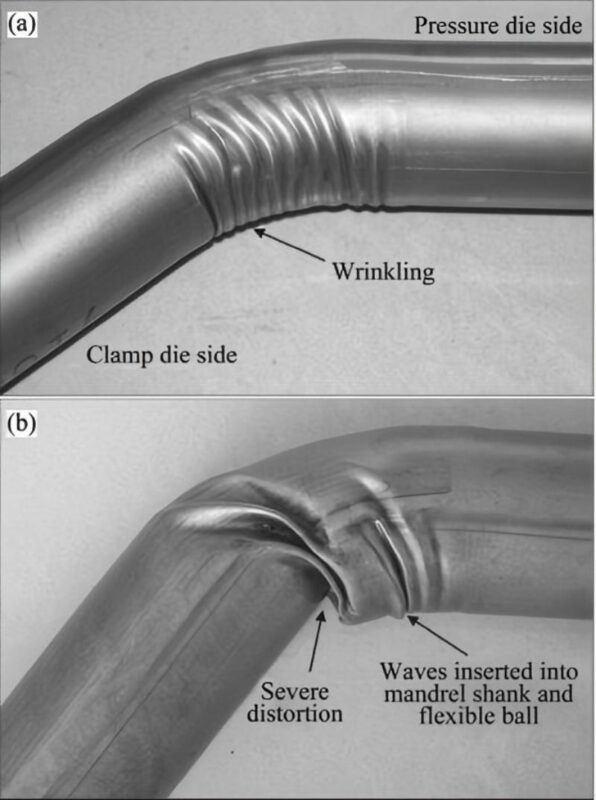
When working with thin-walled tubes, deformation and wrinkling are common challenges. To prevent this, manufacturers use mandrel and wiper dies that support the tube’s inner wall during bending. Proper lubrication and tooling selection also help maintain smooth, wrinkle-free surfaces, which are essential for both appearance and durability.
Achieving Tight Radii without Cracking
Some wheelchair designs require compact bends to achieve sleek profiles. CNC tube benders equipped with variable pressure systems allow operators to precisely control the bending speed and torque, preventing cracks even on high-strength alloys. This ensures a balance between design freedom and material reliability.
Ensuring Frame Symmetry
Even a small alignment error can affect wheelchair balance. Modern tube bending software includes real-time correction features that automatically adjust angles and rotation sequences, ensuring consistent left-right symmetry in each frame produced.
FAQ
Why is tube bending better than welding multiple straight pieces for wheelchair frames?
Tube bending reduces the number of joints and welds, which improves frame strength, aesthetics, and durability while also cutting assembly time.
What materials are most commonly used in wheelchair tube bending?
Aluminum and titanium are the most popular materials due to their combination of light weight, corrosion resistance, and high strength.
How does CNC tube bending improve customization?
CNC technology allows for precise control of bend angles, rotations, and distances, making it easy to replicate or adjust designs based on individual user needs.
Can tube bending technology handle both manual and electric wheelchair frames?
Yes, modern tube benders can process the thicker and more complex tubing used in electric wheelchairs as well as the lightweight structures of manual ones.
Conclusion
In wheelchair manufacturing, precision bending is more than just a production step—it’s what makes custom frames possible. By using a Tube Bending in Wheelchair Manufacturing, producers can achieve ergonomic comfort, lightweight durability, and aesthetic excellence that meet the needs of diverse users worldwide. From energy-efficient CNC systems to fully customized frame geometries, tube bending technology continues to shape the future of mobility design.
If you’re looking to upgrade your production line with advanced tube bending solutions or explore how automation can improve your wheelchair manufacturing efficiency, feel free to contact HARSLE for expert support and machine recommendations tailored to your needs.


