


When it comes to tube fabrication, even a small defect can stop an entire production line. If you’re trying to understand how Tube Breakage Troubleshooting helps you avoid costly delays, you’re in the right place. In this article, I’ll explain why tube breakage happens, how systematic troubleshooting prevents downtime, and the practical steps you can apply to keep your bending operations running smoothly. Whether you’re producing components for automotive, HVAC, furniture, or industrial systems, this guide will give you a clear path to reducing failures and improving bending stability.
Why Tube Breakage Troubleshooting Matters in Daily Production

Understanding How Breakage Causes Productivity Loss
When a tube snaps during bending, the consequences are immediate: machine stoppage, scrap material, operator intervention, and recalibration. A single failure can cause a chain reaction of downtime. By performing effective Tube Breakage Troubleshooting, I can quickly identify whether the breakage is caused by material defects, incorrect machine settings, or improper lubrication—allowing the system to return to operation faster.
Most breakage during mandrel-assisted bending comes from excessive wall thinning, over-tightened pressure die settings, or the wrong mandrel position. Understanding these common triggers helps me address issues before they cause significant downtime.
How to Perform Tube Breakage Troubleshooting Step by Step
Step 1 – Inspect the Tube Material Quality
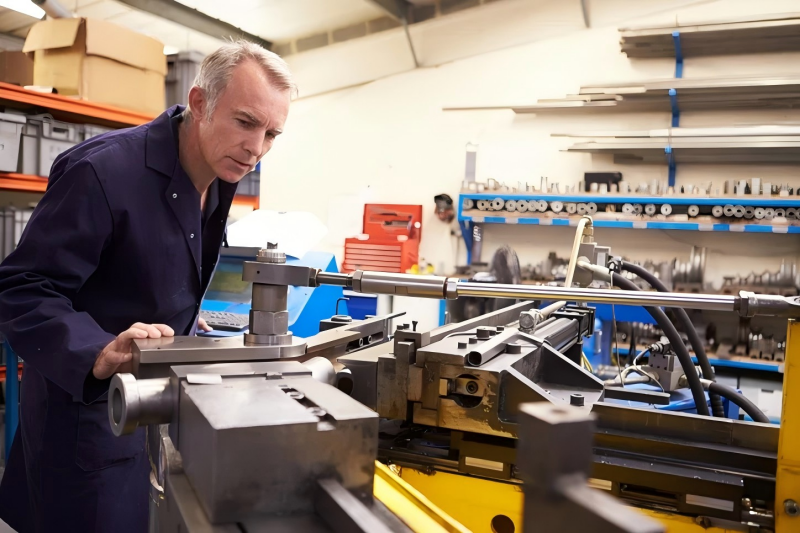
Before touching the machine, I always review the material itself. Variations in wall thickness, microcracks, contamination, or low ductility can lead to breakage under stress. Poor-quality batches often produce repeated failures, so verifying material certificates and performing quick visual checks can prevent hours of lost time.
Step 2 – Check Bending Parameters and Radius Settings
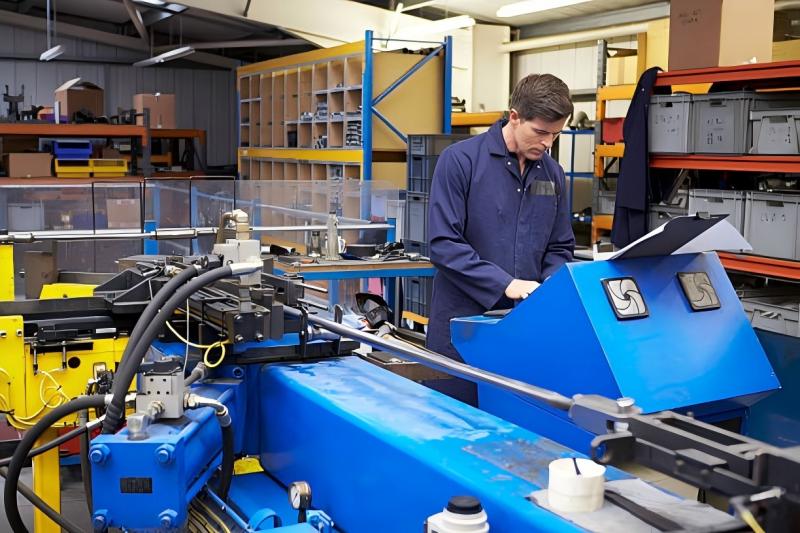
Incorrect bending radius or excessive overbend force is one of the fastest ways to cause tube fracture. I make sure that the bending radius matches the tube’s wall thickness and material properties. When the radius is too tight or the force too high, the outer wall thins aggressively, leading to split formation.
Step 3 – Evaluate Mandrel and Wiper Die Condition
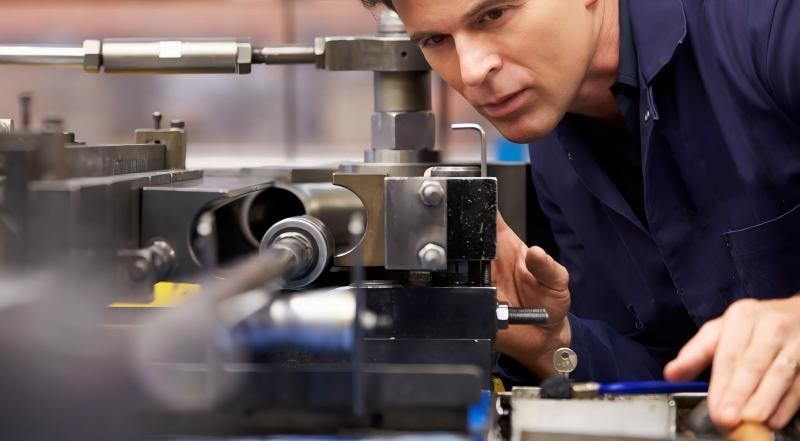
Worn mandrels, incorrect nose length, or missing lubrication can instantly trigger breakage. A damaged mandrel drags the material instead of supporting it. By keeping mandrels polished, correctly aligned, and well-lubricated, I greatly reduce breakage risks.
Step 4 – Adjust Clamping Force and Die Alignment
If the clamping force is too strong, the tube may collapse or wrinkle internally, eventually causing cracks. Misaligned dies also create uneven stress points. I routinely measure alignment using standard gauges and adjust clamping pressure so it’s firm enough to hold the tube—but not enough to deform it.
Step 5 – Monitor Machine Calibration and Servo Accuracy

In CNC and servo-driven tube benders, calibration directly affects the bending angle and force output. A mis-calibrated machine applies uneven loads, creating overstress zones along the tube. Regular calibration checks ensure the bending head delivers consistent force throughout the cycle.
How Troubleshooting Helps Prevent Production Downtime
Reducing Scrap and Maintaining Material Efficiency
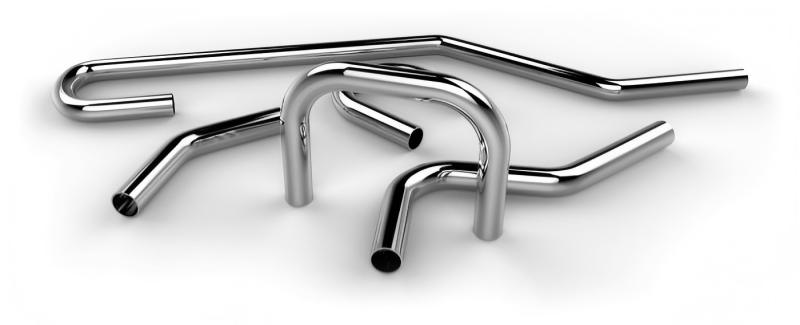
Breakage immediately increases scrap rates. Effective Tube Breakage Troubleshooting helps me locate the root cause early—meaning fewer defective parts and fewer interruptions.
Preventing Machine Damage and Unplanned Stops
Repeated breakages stress bending dies and mandrels, sometimes causing long-term wear or unexpected machine faults. By solving breakage issues early, I protect machine components from accelerated damage and avoid sudden shutdowns.
Improving Operator Productivity
Operators lose valuable time clearing broken parts, resetting tooling, and recalibrating parameters. Troubleshooting builds a more stable and predictable bending environment, keeping production running continuously.
Ensuring Consistent Bend Accuracy Across Batches
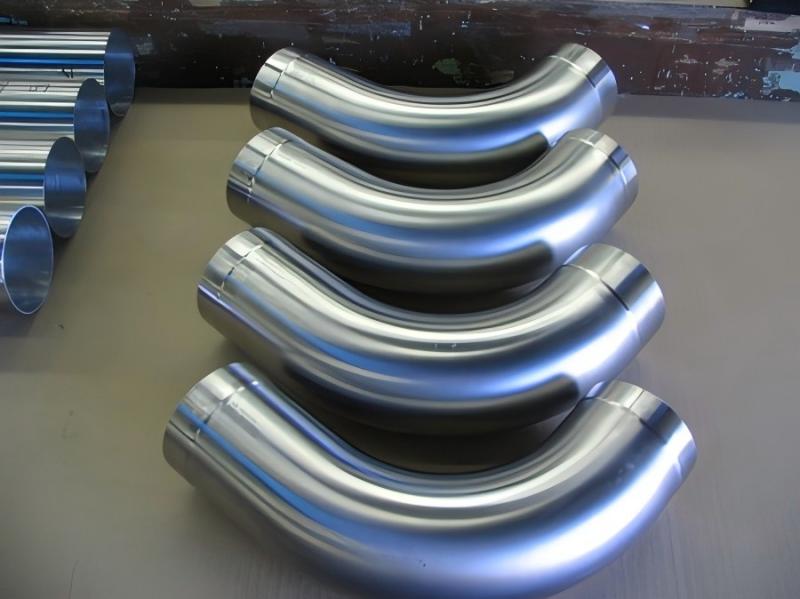
Tube breakage often signals inconsistent bending conditions. Once I fix the root cause, I typically see improved repeatability, smoother bends, and lower risk of dimensional deviations. Stable bending quality ultimately means fewer reworks and fewer machine stoppages.
Practical Tips for Long-Term Tube Breakage Prevention
Use Proper Lubricants for High-Friction Materials
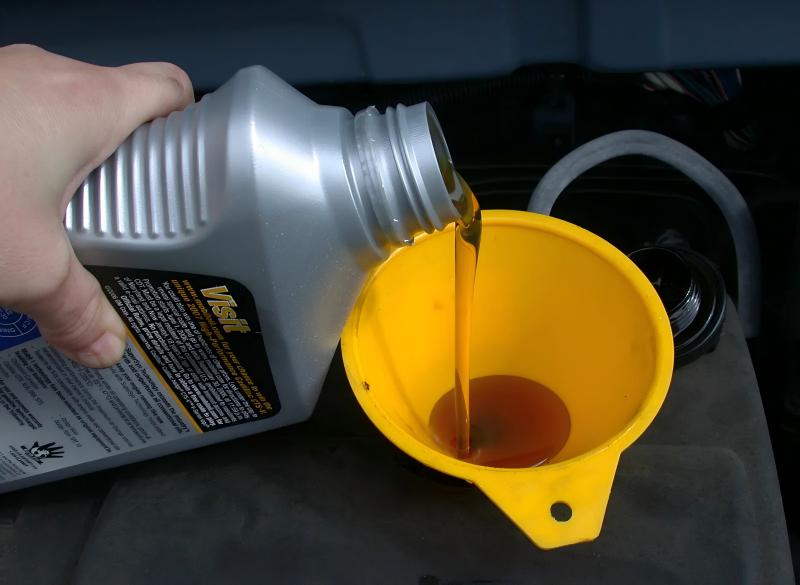
Stainless steel, copper, and titanium require different lubrication strategies. High-friction material without proper lubrication increases drag, causing cracks along the outer bend.
Choose the Right Mandrel Type for Each Application
For tight-radius bending, a plug or ball mandrel may be required. Choosing the wrong mandrel type drastically increases the chance of breakage.
Perform Routine Maintenance on All Tooling Components
A small imperfection on the wiper die or pressure die can weaken the tube. I regularly inspect tooling surfaces to maintain clean, polished contact areas.
FAQs
How does Tube Breakage Troubleshooting help reduce downtime?
Troubleshooting identifies the exact cause of breakage—whether it’s material, tooling, or machine settings—allowing me to fix the issue quickly and prevent repeated failures that stop production.
What is the most common cause of tube breakage during bending?
The most common causes include excessive wall thinning, an overly tight bending radius, improper lubrication, and worn mandrel or wiper dies.
How often should I inspect tools when experiencing breakage?
I recommend inspecting tooling after the first breakage incident. If issues persist, check alignment, surface wear, and lubrication after every bending cycle until stable operation is restored.
Does using the wrong bending radius always cause breakage?
Not always, but using a radius too tight for the tube’s wall thickness significantly increases stress on the outer bend and often leads to cracking or splitting.
Conclusion
Preventing downtime starts with understanding why tubes break and applying consistent Tube Breakage Troubleshooting steps. By inspecting material quality, maintaining tooling, adjusting bending parameters, and verifying machine calibration, I can stop problems before they escalate into major production delays. These troubleshooting methods help stabilize the bending process, improve accuracy, and keep your production line running efficiently.
If you need further support or want expert advice for your bending applications, feel free to contact our team—we’re always ready to help.


