


Tube Bender Lubrication Issue is one of the most common causes of inconsistent bending angles, unusual friction noises, and sluggish machine movement. While many operators are quick to adjust tooling or recalibrate the machine, the underlying problem often stems from the lubrication pump not performing as expected. When the pump fails to supply sufficient oil to critical moving components, friction increases, wear accelerates, and bending accuracy declines. In this article, I’ll walk you through the real impact of lubrication failures, how to identify whether the pump is the source of the problem, and what actions you can take to effectively resolve the issue.
How a Lubrication Issue Impacts Tube Bender Performance
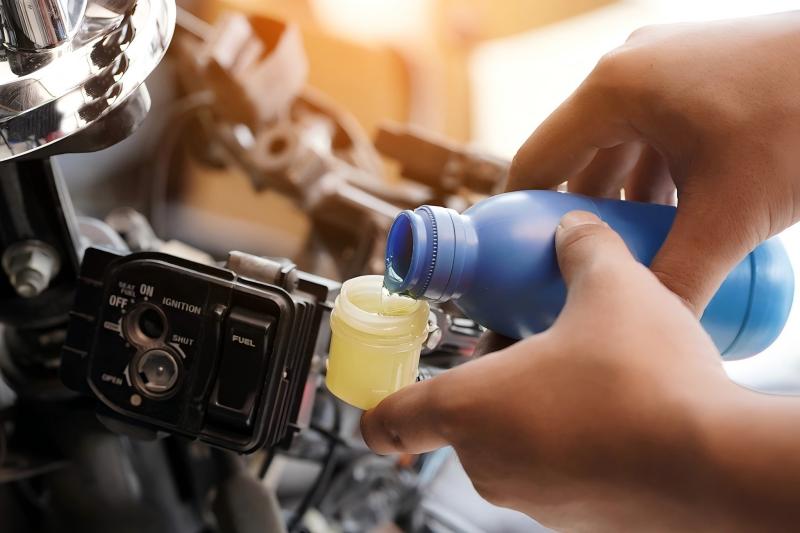
Proper lubrication protects moving components such as guide rails, bearings, ball screws, and slides. Without sufficient lubrication, internal friction increases and components heat up quickly. This not only shortens machine life but also causes instability in bending accuracy, especially during continuous production.
Typical signs include:
- Dry lubrication points
- Irregular bending angles
- Abnormal vibration or squeaking
- Increased temperature around moving components
- The lubrication indicator showing no change after startup
Even if the machine continues working, ignoring these early symptoms often leads to lubrication line blockages, seized components, or costly replacement parts.
How to Diagnose a Tube Bender Lubrication Pump Issue
Check Whether the Pump Is Cycling Normally

First, observe the machine during operation. The lubrication pump should operate automatically according to your cycle settings. If it does not start, starts too late, or runs too short, the internal components may be worn or blocked.
You can check:
- Whether you hear the pump activate
- Whether lubricant reaches the furthest distribution point
- Whether the CNC control shows lubrication alarms
- Whether manual pump activation produces any oil flow
If there is no noise or flow, the issue may be electrical or internal to the pump.
Inspect Lubrication Lines for Blockages or Air Traps
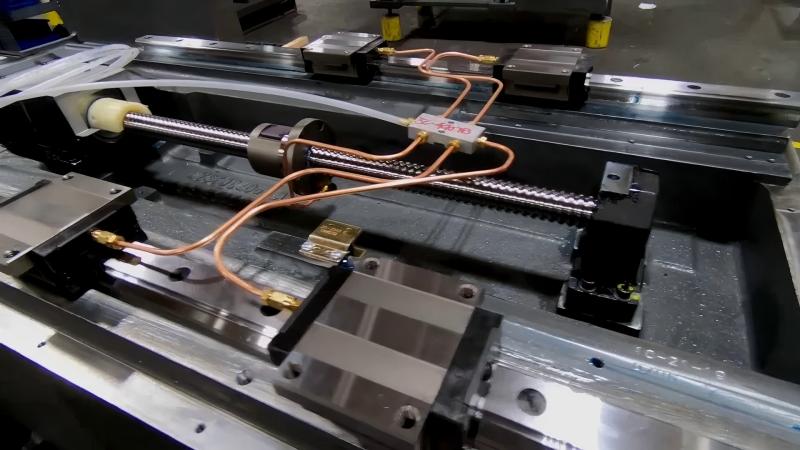
A Tube Bender Lubrication Issue often occurs when dirt, metal dust, dried oil, or air bubbles block the lubrication line. This prevents lubricant from reaching the sliding rails or cylinder components.
Steps to verify:
- Disconnect a lubrication line closest to the pump.
- Manually activate the pump.
- Check if oil flows steadily.
If it hesitates, sputters, or fails to flow, clean the lines, purge air, or replace damaged tubing.
Confirm the Correct Lubrication Oil Is Being Used
Using the wrong type of oil can cause the pump to work harder than it should. Thick lubricants block filters and narrow channels, while thinner ones evaporate quickly and fail to protect the surface.
Always use the oil recommended by the machine manufacturer, store it properly, and replace it regularly to avoid contamination.
Solutions to Common Tube Bender Lubrication Problems
Clean or Replace Pump Filters and Seals
Over time, filters collect dust and metal particles generated during bending. If the lubrication pump runs but does not deliver oil, a clogged filter is one of the most likely causes.
Cleaning the filter and replacing damaged seals can restore flow immediately and prevent leakage.
Reset or Replace a Faulty Lubrication Pump
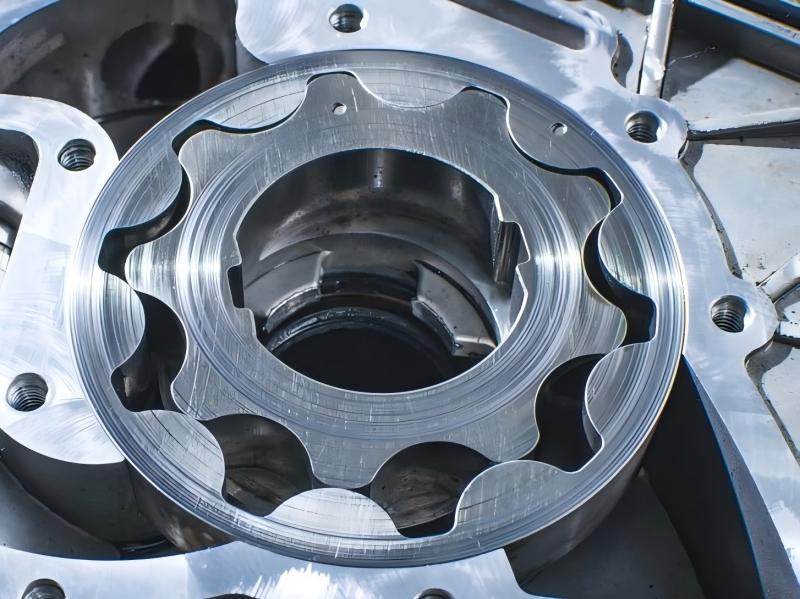
If the lubrication pump fails to respond electrically or mechanically, resetting or replacing the unit is often the most efficient solution. Before replacing, check the power supply, wiring condition, and pump motor temperature.
Establish a Routine Lubrication Maintenance Schedule
Preventive maintenance is key to keeping your tube bender in good condition. Setting oil replacement cycles based on working hours—rather than waiting for alarms—ensures that contamination doesn’t reach critical components.
A simple weekly inspection prevents most lubrication failures:
- Check pump noise
- Inspect pipeline condition
- Confirm oil level and clarity
- Wipe dust around lubrication points
FAQ
Why is my tube bender bending angle inconsistent after long production runs?
Heat caused by poor lubrication expands mechanical parts, resulting in angle deviations. Restoring proper lubrication usually improves consistent accuracy.
How often should I clean or replace lubrication filters?
In regular industrial use, filters should be checked monthly and cleaned or replaced every 3–6 months depending on dust levels and working environment.
Can I use any industrial oil for the lubrication pump?
No, using oil with the wrong viscosity or additives can damage the pump and lubrication lines. Always use the type recommended by the manufacturer.
What should I do if the pump works but no oil reaches the lubrication points?
The most likely cause is blockage or air trapped in the line. Purging air and cleaning the pipeline usually resolves the issue.
Conclusion
Addressing a Tube Bender Lubrication Issue early is essential to maintaining production efficiency and protecting your machine investment. By understanding how the lubrication pump operates, identifying early warning signs, and performing routine maintenance, you can extend the life of your machine, reduce unnecessary downtime, and keep your bending results consistent. If you require further guidance or want to explore more troubleshooting topics, feel free to reach out to our team or continue browsing our documentation for additional support and step-by-step guides.


