


Tube Bender Maintenance Log is one of the most effective tools I recommend when customers ask how to keep their tube bending machines accurate, reliable, and operating with minimal downtime. If you’re looking for a practical way to track maintenance activities, prevent unexpected breakdowns, and extend the service life of your tube bender, you’re in the right place. In this article, I’ll explain step by step how to create an effective Tube Bender Maintenance Log, highlight the information that truly matters, and show how a well-maintained log can directly improve machine performance and production stability.
Why a Tube Bender Maintenance Log Matters

A Tube Bender Maintenance Log is more than just a checklist. It is a structured record that documents inspections, adjustments, repairs, and preventive maintenance actions over time. Without a clear log, maintenance becomes reactive instead of planned, leading to higher downtime, inconsistent bending accuracy, and unnecessary repair costs.
By keeping a detailed Tube Bender Maintenance Log, I can quickly identify recurring issues, monitor component wear, and make informed decisions about preventive maintenance schedules. This is especially important for CNC tube benders operating in high-volume or multi-shift production environments.
What to Include in a Tube Bender Maintenance Log
Machine Identification and Operating Data
Before logging any maintenance activity, I always start with basic machine information. This ensures that every record is traceable and useful over the long term.
Key details to include:
- Machine model and serial number
- Controller type (such as CNC or NC system)
- Installation date
- Operating hours or cycle count
This information helps connect maintenance actions with machine usage patterns and supports accurate service planning.
Daily Tube Bender Maintenance Log Entries
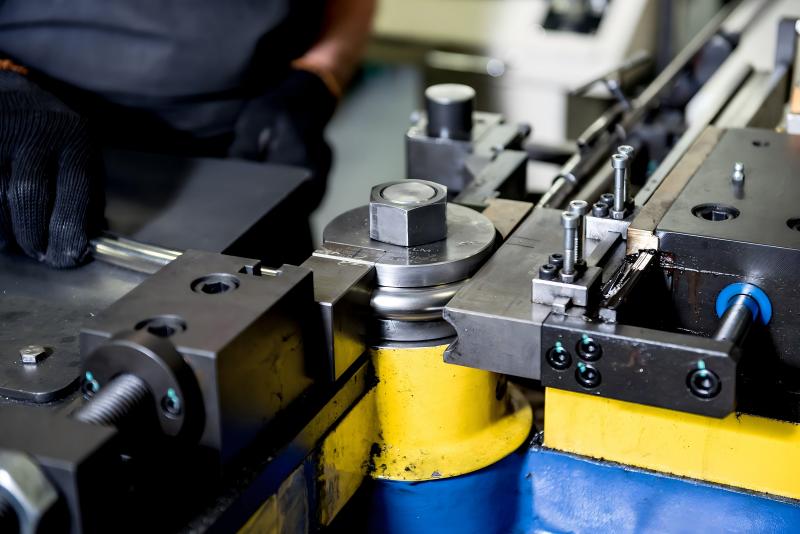
Daily checks form the foundation of an effective Tube Bender Maintenance Log. These quick inspections help detect early warning signs before they turn into serious failures.
I usually record:
- Hydraulic oil level and visible leaks
- Abnormal noise or vibration during bending
- Clamp die, pressure die, and mandrel condition
- Sensor and limit switch status
- Basic cleanliness of guides and tooling
Logging these observations daily makes it easier to spot gradual changes that may affect bending accuracy.
Weekly and Monthly Maintenance Records
Beyond daily checks, a Tube Bender Maintenance Log should clearly separate weekly and monthly maintenance tasks. These entries focus more on performance stability and wear control.
Typical weekly or monthly items include:
- Lubrication of moving parts and guide rails

- Inspection of hydraulic hoses and fittings
- Verification of servo motor and encoder feedback
- Cleaning electrical cabinets and cooling fans
- Checking tooling alignment and clamping force
By documenting these actions, I can ensure maintenance is consistent rather than dependent on operator memory.
How to Structure an Effective Tube Bender Maintenance Log
Step 1: Choose a Clear Log Format
An effective Tube Bender Maintenance Log can be digital or paper-based, but it must be easy to read and update. I recommend a structured table format with fixed columns, such as date, task description, results, and technician signature.
Consistency matters more than the format itself. When every entry follows the same structure, the log becomes easier to analyze and audit.
Step 2: Define Maintenance Categories
To avoid confusion, I always divide the Tube Bender Maintenance Log into clear categories:
- Inspection
- Adjustment
- Cleaning
- Lubrication
- Repair or replacement
This structure helps maintenance staff quickly understand what type of work was performed and why.
Step 3: Record Actions, Not Just Problems
One common mistake I see is logging only failures. A proper Tube Bender Maintenance Log should record all maintenance actions, even when no issues are found.
For example, noting “hydraulic pressure checked, within specification” is just as valuable as recording a repair. Over time, these normal-condition records provide a reliable performance baseline.
Using the Maintenance Log to Improve Accuracy and Reduce Downtime
A well-maintained Tube Bender Maintenance Log allows me to connect maintenance data with bending quality. If dimensional errors appear, I can review past entries related to tooling wear, sensor calibration, or axis alignment.
This historical insight helps:
- Reduce unplanned downtime
- Improve repeatability and bending accuracy
- Optimize preventive maintenance intervals
- Extend tooling and component life
Instead of guessing, decisions are based on documented machine behavior.
Common Mistakes to Avoid in Tube Bender Maintenance Logs
Even with good intentions, maintenance logs can lose value if they are not managed properly. I always advise avoiding these common mistakes:
- Skipping entries due to time pressure
- Using vague descriptions like “checked OK” without details
- Failing to record corrective actions
- Not reviewing past maintenance records
An effective Tube Bender Maintenance Log should be treated as a working document, not a formality.
FAQ
How often should I update a Tube Bender Maintenance Log?
I recommend updating the Tube Bender Maintenance Log daily for basic inspections and immediately after any maintenance or repair activity. Regular updates ensure accuracy and reliability.
Can a Tube Bender Maintenance Log help improve bending accuracy?
Yes. By tracking tooling condition, calibration checks, and sensor performance, a Tube Bender Maintenance Log helps identify factors that affect bending precision and repeatability.
Is a digital maintenance log better than a paper log?
Both can work well. Digital logs are easier to analyze and share, while paper logs are simple and reliable. The key is consistency and completeness, not the format.
Conclusion
Creating and maintaining an effective Tube Bender Maintenance Log is one of the simplest yet most powerful ways to protect your investment and stabilize production quality. By recording daily inspections, scheduled maintenance, and corrective actions in a structured way, I can reduce downtime, improve accuracy, and extend the working life of the tube bending machine. If you want more guidance on tube bender maintenance planning or need professional support for your equipment, feel free to contact the HARSLE technical team or explore our related documentation for deeper insights.


