


Tube Bender Trial Run is the first thing I focus on when customers ask how to ensure a new tube bending machine is truly ready for production. If you are looking for clear, practical guidance on how to perform a Tube Bender Trial Run correctly, you are in the right place. In this article, I’ll walk you through the entire process step by step, from preparation and dry running to load testing and final verification. Whether you are commissioning a new CNC tube bender or restarting a machine after relocation or major maintenance, this guide will help you reduce hidden risks, maintain accuracy, and move into production with confidence.
What Is a Tube Bender Trial Run and Why It Matters
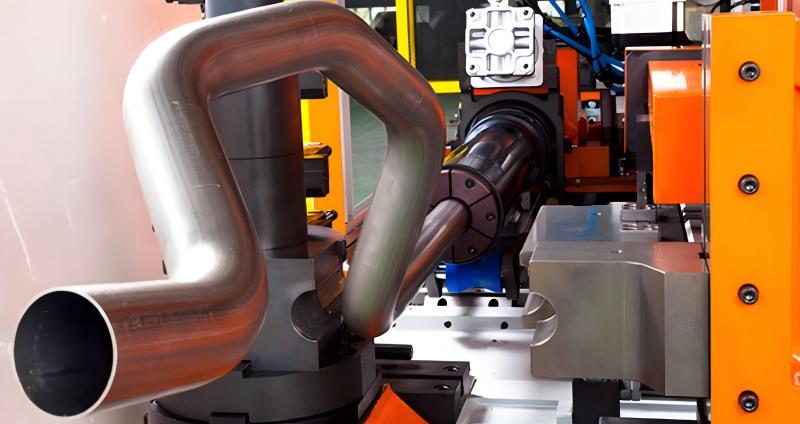
A Tube Bender Trial Run is the critical phase between installation and full-scale production. During this process, I verify that the machine, tooling, control system, and safety functions all work together as intended. Skipping or rushing this step often leads to inaccurate bends, unexpected alarms, or even mechanical damage once production starts. A structured trial run allows me to detect problems early, when adjustments are still easy and low-cost.
How to Prepare for a Tube Bender Trial Run
Step 1: Check Installation and Foundation Stability
Before powering on the machine, I always confirm that the tube bender is correctly installed. This includes checking anchor bolts, machine leveling, and floor rigidity. Poor foundation conditions can cause vibration and bending inaccuracies during the trial run, even if the machine itself is perfectly built.
Step 2: Inspect Power, Hydraulics, and Lubrication Systems
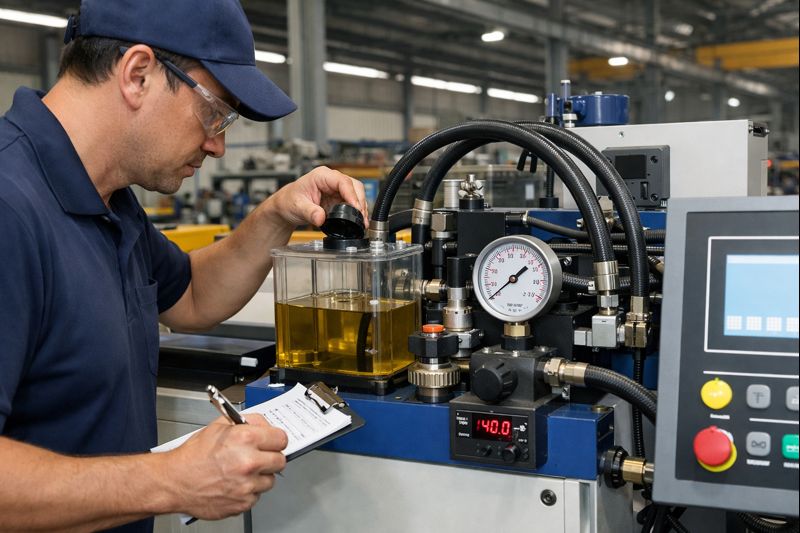
I make sure that electrical connections match the machine requirements and that voltage is stable. For hydraulic tube benders, I inspect oil levels, hose connections, and pressure settings. Lubrication points, especially on guide rails and rotating components, must be properly supplied before any movement test begins.
How to Perform a Dry Run on a Tube Bender
Step 3: Run the Machine Without Load
A dry run is the first active stage of the Tube Bender Trial Run. I operate the machine without inserting any tube material. This allows me to observe axis movements, clamp actions, mandrel motions, and carriage travel. I pay close attention to abnormal noise, vibration, or alarms, as these often indicate alignment or parameter issues.
Step 4: Verify Axis Zero Points and Movement Accuracy
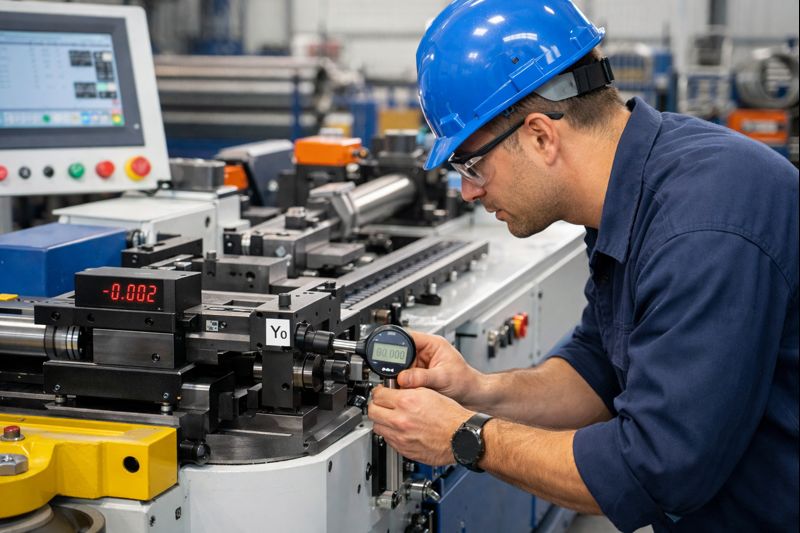
During the dry run, I check whether each axis returns accurately to its home position. Small deviations at this stage can lead to large bending errors later. If needed, I fine-tune zero positions and confirm repeatability through multiple cycles.
How to Perform a Load Test During the Tube Bender Trial Run
Step 5: Prepare Test Tubes and Tooling
Once the dry run is stable, I move on to load testing. I select tube material that matches the actual production specifications, including diameter, wall thickness, and material grade. Tooling such as bending dies, clamp dies, pressure dies, and mandrels must be installed and aligned carefully.
Step 6: Execute Trial Bends Under Controlled Conditions

I start with simple bending programs before moving to complex multi-radius or multi-plane bends. During this phase of the Tube Bender Trial Run, I monitor bending angles, springback compensation, surface quality, and mandrel behavior. Any wrinkling, flattening, or slippage tells me where adjustments are required.
How to Verify Accuracy and Repeatability
Step 7: Measure Bending Results and Adjust Parameters
After each test bend, I measure angles, radii, and straight lengths using calibrated tools. If results differ from target values, I adjust bending speed, boost pressure, clamp force, or compensation parameters. A proper trial run is not about perfection on the first bend, but about controlled optimization.
Step 8: Test Continuous Operation Stability

To complete the Tube Bender Trial Run, I run the machine continuously for a set period. This helps confirm thermal stability, hydraulic consistency, and control reliability. Machines that perform well in single tests can still reveal issues during extended operation.
Safety Checks During a Tube Bender Trial Run
Throughout the process, I verify all safety functions, including emergency stops, safety doors, light curtains, and interlocks. A trial run is the best time to ensure the machine stops exactly as intended under abnormal conditions, protecting both operators and equipment.
FAQs
How long should a Tube Bender Trial Run take?
In my experience, a complete Tube Bender Trial Run typically takes several hours to a full day, depending on machine complexity and bending requirements. Rushing this process often leads to problems later.
Can I skip the dry run and start with load testing?
I strongly recommend against it. A dry run helps identify mechanical or control issues without risking tooling or material damage.
What are the most common problems found during a Tube Bender Trial Run?
Common issues include axis misalignment, incorrect pressure settings, insufficient lubrication, and inaccurate compensation parameters.
Should a trial run be repeated after maintenance or relocation?
Yes. Any major maintenance, tooling change, or machine relocation should be followed by a proper Tube Bender Trial Run to ensure accuracy and safety.
Conclusion
A well-executed Tube Bender Trial Run is not just a formality—it is the foundation of stable, accurate, and efficient production. By carefully preparing the machine, performing structured dry and load tests, verifying accuracy, and confirming safety functions, I can confidently put a tube bending machine into operation without unpleasant surprises. If you need professional guidance, parameter recommendations, or support during your trial run process, feel free to contact the HARSLE team or explore our related documentation for deeper technical insights.


