


Tube bending in heavy machinery plays a vital role in ensuring that every component meets strict performance and safety standards. This advanced fabrication process allows engineers to form durable, complex, and precisely aligned hydraulic systems, frames, and support structures that keep heavy equipment operating reliably. If you’ve ever wondered how manufacturers achieve such high levels of accuracy and consistency, this article will walk you through the entire process—from preparation and setup to inspection and quality control—so you can understand how precision bending improves efficiency, strength, and overall productivity in heavy machinery manufacturing.
Understanding Tube Bending in Heavy Machinery
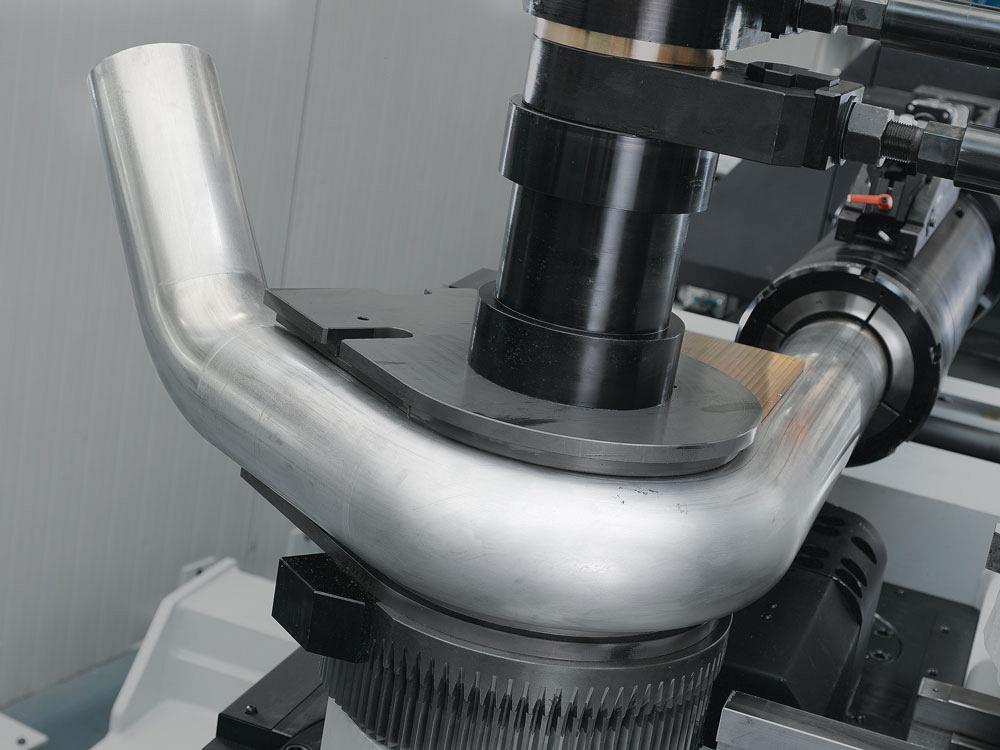
In heavy machinery manufacturing, tube bending plays a crucial role in shaping pipes used for hydraulic circuits, fuel systems, structural frames, and cooling lines. Unlike basic manual bending, modern factories use CNC tube benders and hydraulic mandrel bending machines to ensure every bend meets exact specifications. These advanced machines allow operators to control multiple axes simultaneously, maintaining the desired angle, radius, and alignment even for thick-walled or high-strength materials.
Types of Tube Bending Machines Used
- CNC Tube Benders: Provide automated control and high precision for repetitive production tasks.
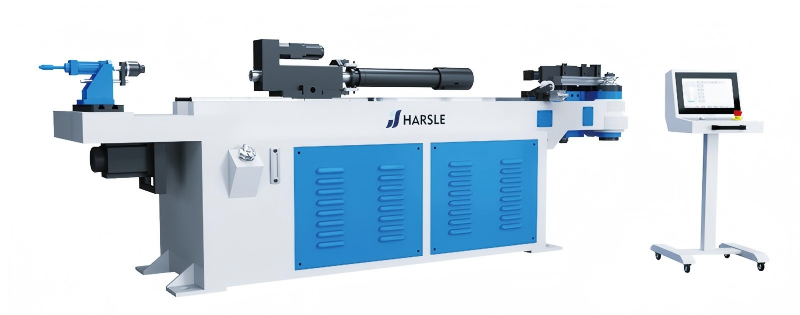
- Mandrel Benders: Prevent wrinkling or collapsing during bending by supporting the tube’s inner wall.
- Rotary Draw Benders: Common in structural fabrication, offering precise control for complex geometries.
How to Achieve Precision in Tube Bending
Step 1: Preparing the Tube and Work Area
Before starting the bending process, I make sure the tube surface is clean and free of burrs, rust, or oil. Any contamination can cause uneven pressure or slippage during bending. I also check that the machine base is level and the tooling is securely mounted to avoid alignment errors.
Step 2: Selecting the Right Tooling
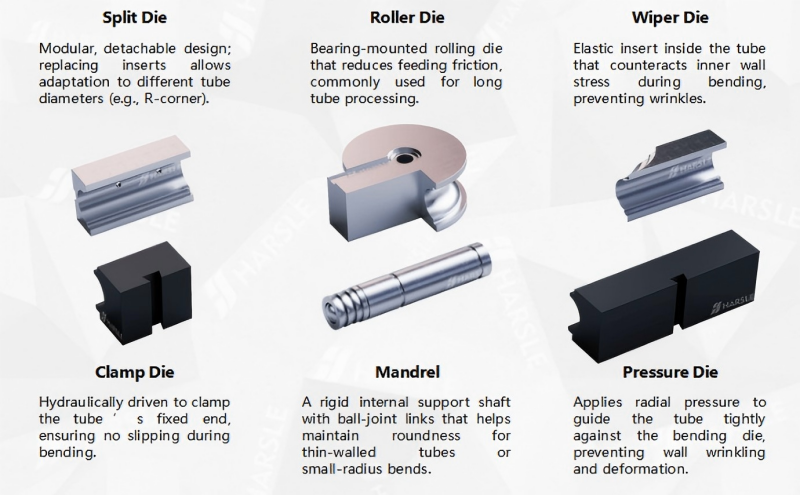
Choosing the correct bending die, clamp die, and pressure die is essential for precision. The die radius must match the tube diameter and wall thickness. For heavy machinery components, I often use hardened steel dies to handle high stress without deformation.
Step 3: Programming the CNC Parameters
CNC control systems allow operators to input the bend angle, rotation, and feed length with micrometer accuracy. During setup, I calibrate the axes and enter material springback values—this ensures each bend is consistent across multiple runs.
Step 4: Performing the Mandrel Setup
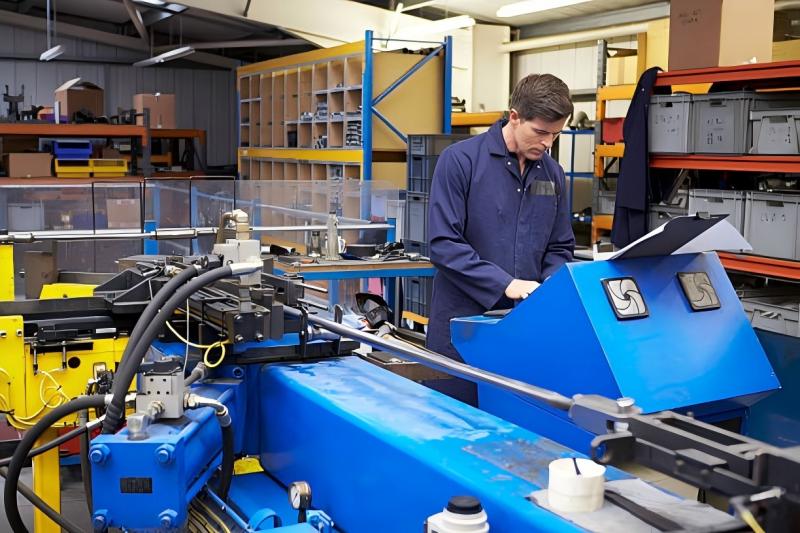
When bending thick or thin-walled tubes, a mandrel is inserted to support the tube’s internal shape. I position the mandrel head precisely behind the tangent point of the bend to prevent distortion and ensure a smooth surface finish.
Step 5: Testing and Fine-Tuning
After the first trial bend, I use digital angle gauges and coordinate measuring devices to check dimensions. If the bend radius or angle is off, minor corrections are made in the control panel. This iterative testing guarantees that the final product meets both engineering tolerances and customer requirements.
Key Factors Affecting Bending Accuracy
Material Properties
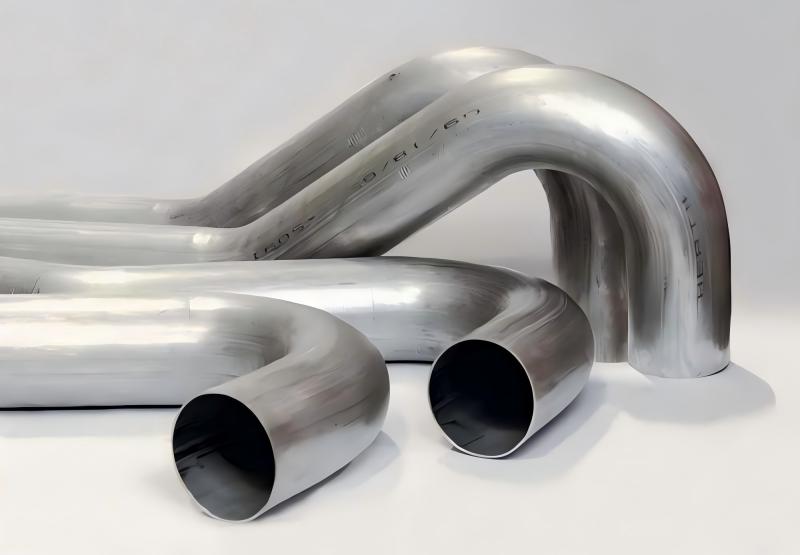
The tube’s elasticity and tensile strength affect how much it springs back after bending. Different materials like carbon steel, stainless steel, or aluminum require unique compensation values.
Temperature and Lubrication
I always apply the right lubricant to minimize friction and prevent surface cracks. For large-diameter or heavy-wall tubes, maintaining a stable temperature during bending can improve material flow and precision.
Machine Calibration
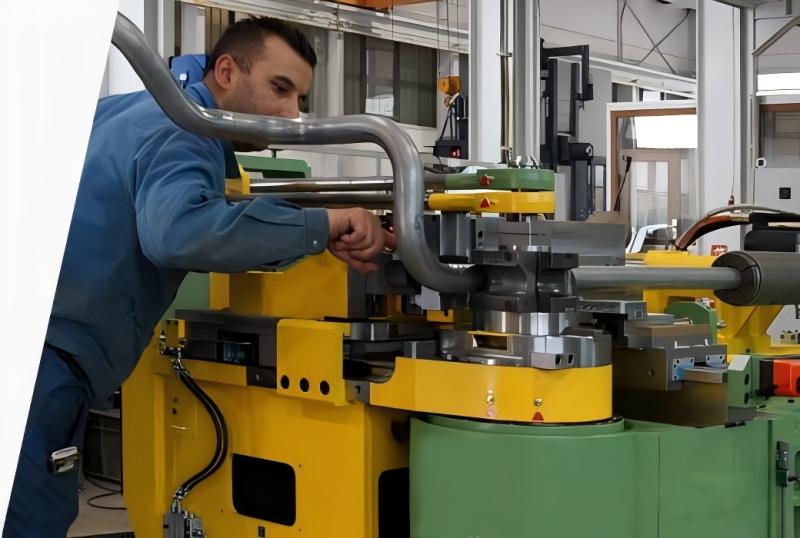
Regular machine calibration and maintenance ensure long-term accuracy. I recommend checking the bending head, hydraulic pressure, and servo motors regularly to keep the machine performing at its best.
Quality Control in Tube Bending
Precision manufacturing doesn’t end at the bending stage. Every finished tube undergoes dimensional inspection, surface quality checks, and sometimes pressure testing to verify integrity. Advanced software can compare the bent tube’s geometry to the CAD model to detect even slight deviations.
In heavy machinery, where tubes carry hydraulic fluids under high pressure, even a one-degree misalignment can cause leaks or performance issues. Therefore, quality control is not optional—it’s essential.
FAQs
What is the best way to achieve consistent accuracy in tube bending?
Use CNC tube benders with real-time feedback systems and ensure proper calibration before each production batch. Consistent tooling and material preparation also play a major role.
How can I prevent wrinkles or flattening during bending?
For thin-walled tubes, use a mandrel and wiper die to support the inner wall. Adjust the clamping force and bending speed to balance pressure across the tube.
Why is CNC control important for heavy machinery manufacturing?
CNC systems reduce human error, maintain repeatability, and allow for automated correction of springback—critical for complex, multi-angle bends used in heavy equipment frames and hydraulics.
What materials are most commonly used in heavy machinery tube bending?
Carbon steel and stainless steel are the most common due to their strength and corrosion resistance, though aluminum is also used where weight reduction is needed.
Conclusion
Precision in tube bending for heavy machinery manufacturing is the foundation of reliability and performance in modern industrial equipment. By carefully preparing materials, using the right tooling, and leveraging CNC automation, manufacturers can achieve consistent, high-quality bends that meet demanding engineering standards.
If you’re looking to optimize your production line or explore advanced tube bending solutions, HARSLE offers a range of CNC and NC tube bending machines designed for accuracy, efficiency, and long-term durability. Contact our engineering team today to learn how we can help enhance your manufacturing capabilities.


