


Tube flattening is a common issue faced during the tube bending process. It occurs when the tube’s cross-section is reduced or flattened during bending, often leading to dimensional inaccuracies, structural weaknesses, and wasted materials. In this article, I will guide you through the primary causes of tube flattening and offer practical solutions on how to prevent it. Whether you’re a seasoned professional or a new operator, these tips will help you improve your bending process and ensure optimal results.
Understanding Tube Flattening
What is Tube Flattening?

Tube flattening occurs when a tube’s shape distorts under the pressure of bending, causing it to lose its roundness. This problem can negatively affect the finished product’s strength and appearance, making it crucial to understand and prevent during the tube bending process.
Causes of Tube Flattening
There are several factors that can contribute to tube flattening:
- Excessive Bending Force: Applying too much pressure during the bend can deform the tube.
- Incorrect Die Selection: Using the wrong die for the tube’s material and diameter can lead to flattening.
- Improper Tube Clamping: Inadequate clamping pressure can cause the tube to shift, leading to flattening.
- Inconsistent Speed: If the bending speed is too fast or too slow, it can lead to uneven forces on the tube.
How to Prevent Tube Flattening During Bending?
1. Select the Correct Die
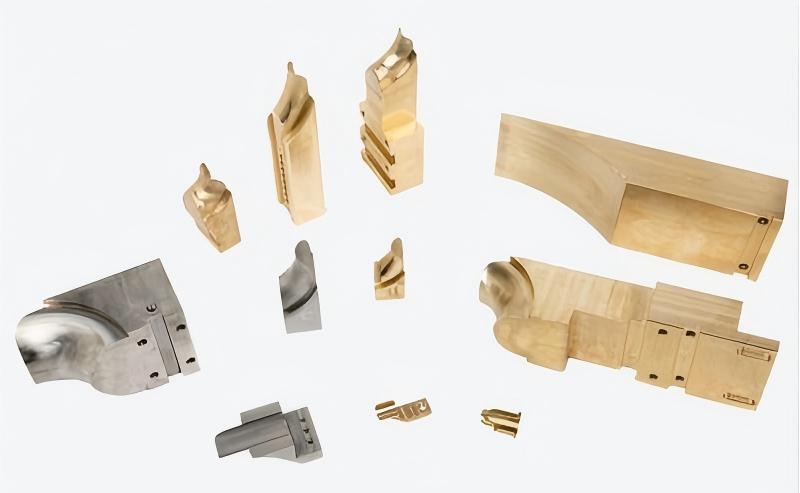
Using the right bending die for your tube’s size, material, and wall thickness is essential to avoid flattening. A well-matched die distributes the bending forces evenly, preventing excessive deformation of the tube.
2. Adjust Bending Pressure
Ensuring that the bending force is appropriate for the tube’s material is crucial. If the pressure is too high, it will cause the tube to flatten. Conversely, insufficient pressure can result in poor bends. Make sure to adjust the machine’s settings according to the manufacturer’s guidelines for the specific tube being bent.
3. Improve Tube Clamping

Proper clamping is essential to keep the tube in place during bending. Using clamps that apply uniform pressure around the tube can prevent it from shifting, which is a major cause of flattening. Ensure that the clamps are not too tight to avoid causing additional stress on the tube, but firm enough to prevent movement.
4. Optimize Bending Speed
Bending speed affects the way forces are applied to the tube. Bending too quickly can cause the tube to flatten as the material doesn’t have enough time to adjust to the forces. On the other hand, bending too slowly can cause uneven bending. Find the right balance to maintain a smooth, consistent bend.
5. Use Tube Supports
Using supports or backup bars during the bending process can help prevent tube flattening. These supports prevent the tube from flexing excessively at critical points, reducing the risk of deformation. Make sure the support is positioned correctly to maintain the tube’s integrity.
Common Tube Bending Problems and How to Fix Them
1. Tube Flattening
Fix: Ensure proper die selection and adjust the machine’s bending force. You may also want to experiment with different clamping pressures to find the optimal balance.
2. Springback Issues

Fix: Use a slight over-bend to compensate for springback or adjust the material’s properties to better handle the bending forces.
3. Ovality
Fix: Ovality, where the tube becomes elliptical after bending, can be minimized by controlling the bending speed and using the right dies.
FAQ Section
How do I choose the right die to prevent tube flattening?
To choose the correct die, consider the material, wall thickness, and diameter of the tube. The die should match these characteristics to ensure a uniform and controlled bend.
What if my tube still flattens despite adjusting the bending force?
If flattening persists, check your tube clamping system. Uneven pressure or incorrect clamping could be causing the issue. Ensure the clamps apply consistent force and are correctly positioned.
Can the bending speed affect tube flattening?
Yes, bending speed plays a significant role. Too fast a speed can cause the tube to flatten, while too slow can lead to uneven results. Adjust the speed according to the material and tube diameter.
Conclusion
Preventing tube flattening during bending requires careful attention to machine settings, tooling, and process optimization. By selecting the right die, adjusting bending pressure, and ensuring proper clamping, you can significantly reduce the chances of tube flattening and produce high-quality bends. For further assistance or detailed technical support, feel free to contact our team or explore more of our technical resources.


