


Tube Slippage in Tube Bending Machines is a common issue faced by operators, where the tube shifts or moves during the bending process. This results in inaccurate bends, poor-quality output, and wasted material. In this article, I’ll discuss the causes of tube slippage in tube bending machines and offer practical solutions to fix and prevent it. Whether you’re an experienced operator or a newcomer, this guide will help you enhance your tube bending accuracy and overall efficiency.
Common Causes of Tube Slippage in Tube Bending Machines
Incorrect Tube Clamping Pressure

One of the primary causes of tube slippage is insufficient clamping pressure. If the clamping mechanism doesn’t securely hold the tube in place, it can slip or shift during the bending process. To resolve this, make sure that the clamps are adjusted properly and apply enough pressure to hold the tube firmly without damaging it.
Worn-Out or Dirty Clamps
Clamps that are worn out or covered in dirt and debris may fail to grip the tube effectively, leading to slippage. Inspect your clamps regularly for signs of wear and clean them to remove any buildup. If necessary, replace old or damaged clamps to ensure proper tube support during bending.
Inaccurate Alignment
Misalignment of the tube in the machine can also lead to slippage. Ensure that the tube is loaded correctly, aligned with the centerline of the machine, and positioned properly before bending begins. Use alignment guides and other tools to achieve a precise setup.
How to Fix Tube Slippage in Tube Benders
Step 1: Inspect and Adjust the Clamping System
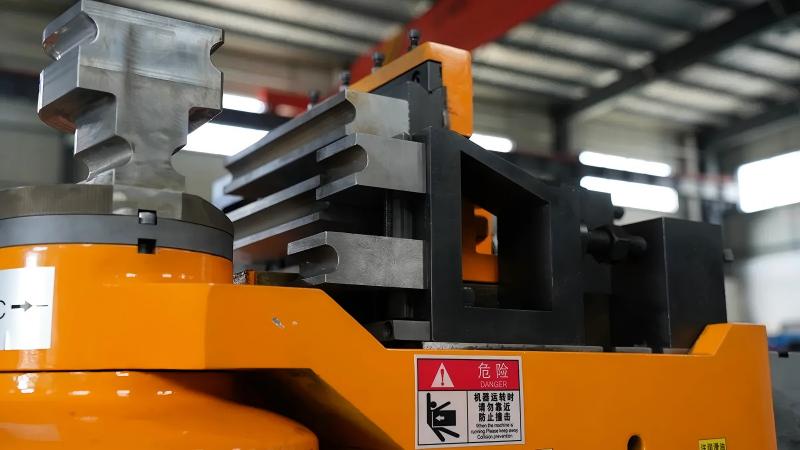
To fix tube slippage, start by inspecting the clamping system for any issues. Adjust the clamping pressure to ensure the tube is held securely. If your machine has adjustable clamps, fine-tune them to apply the appropriate pressure for the specific tube size you’re working with. If the clamps are damaged or worn, replace them with new ones to improve grip.
Step 2: Clean the Clamps and Bending Tools
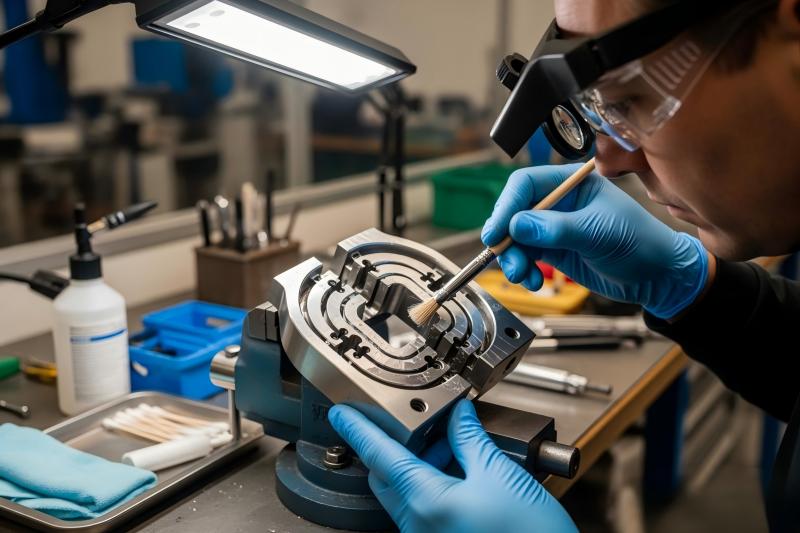
Dirt and grime can reduce the effectiveness of the clamps, causing slippage. Clean the clamping system, bending dies, and rollers regularly to maintain optimal performance. Use a soft cloth and suitable cleaning agents to remove dirt and oil that might affect the grip.
Step 3: Double-Check Tube Alignment
Before each bending operation, ensure the tube is aligned properly with the bending machine. Misalignment can cause uneven bending and increase the risk of slippage. Use alignment jigs or guides to achieve accurate positioning, and make sure the tube is centered on the machine before starting the bend.
Step 4: Calibrate the Machine
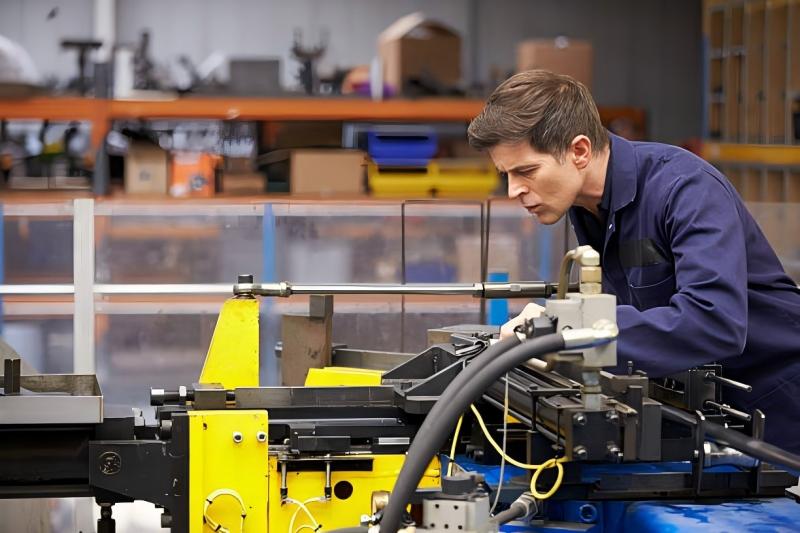
Regular calibration of the tube bender is essential to maintain consistent performance. If your machine has automatic adjustments, verify that the calibration settings are accurate. Incorrect calibration can lead to poor bending results and may contribute to tube slippage. Follow the manufacturer’s instructions for machine calibration to ensure precise operation.
Step 5: Monitor the Tube Bending Process
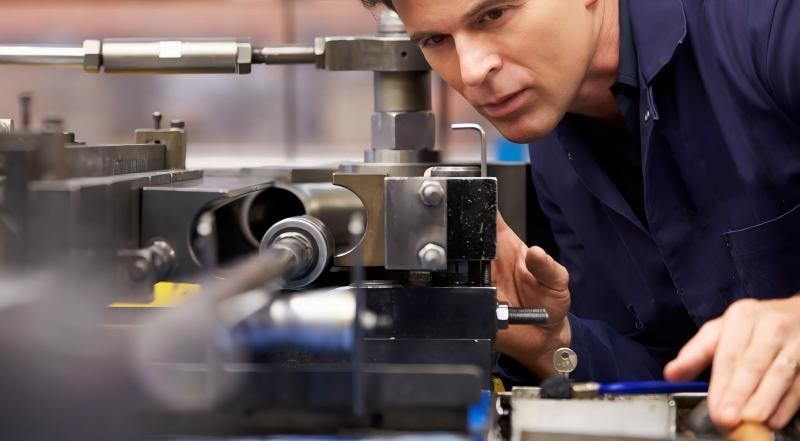
Pay close attention to the bending process. If slippage occurs during a particular bend, stop the machine immediately to inspect the tube and clamps. Adjust the settings as needed and restart the process to prevent further issues.
FAQ Section
How do I know if my tube bender is causing tube slippage?
Tube slippage can be identified by inconsistent or uneven bends, or when the tube visibly shifts during the bending process. If the slippage is frequent, check the clamping pressure, alignment, and cleanliness of the machine.
What should I do if adjusting the clamping pressure doesn’t fix the slippage?
If adjusting the clamping pressure doesn’t resolve the issue, check the condition of your clamps and alignment tools. Ensure that both the clamping system and tube alignment are accurate. If the problem persists, consider consulting with a technician for a detailed inspection of the machine.
How can I prevent tube slippage in the future?
Regular maintenance is key to preventing tube slippage. Clean and inspect the clamping system regularly, calibrate the machine frequently, and always ensure the tube is properly aligned before starting the bending process.
Conclusion
Fixing tube slippage in tube bending machines is essential for maintaining accurate and high-quality bends. By following the steps outlined above—adjusting the clamping pressure, cleaning the clamps, ensuring proper alignment, and calibrating the machine—you can prevent slippage and improve your tube bending operations. For more detailed support or questions, don’t hesitate to contact our team or explore other related documentation.


