


Tube Bender Temperature Issues are a common challenge in metal fabrication, especially for manufacturers who require precise and repeatable bending results. Many operators encounter unexpected angle variations and bending defects after extended machine use or at different times of the day, leaving them unsure of the root cause. In most cases, the problem is linked to heat generated from hydraulic systems, motors, friction between tubing and tooling, or even changes in ambient seasonal temperature. These temperature factors directly influence material behavior and machine performance. In this article, I’ll break down how temperature impacts bending accuracy, why it leads to defects, and the practical measures you can take to control temperature and achieve consistent bending quality.
How Temperature Affects Tube Bending Accuracy
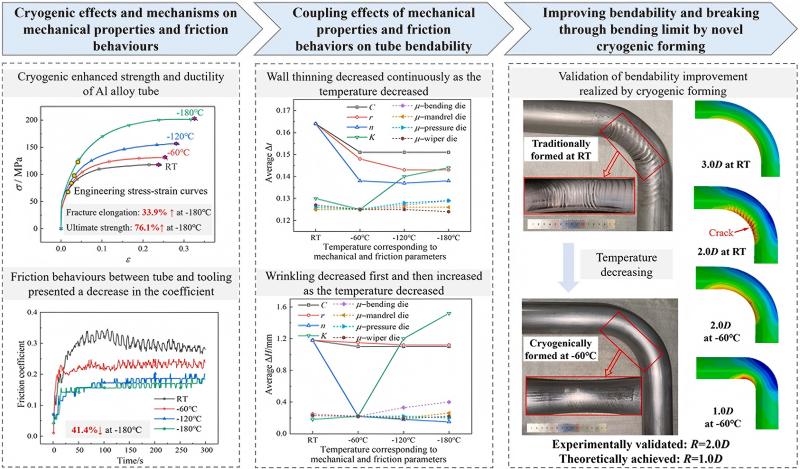
Material Expansion Under Tube Bender Temperature Issues
When metal tubes are exposed to heat generated during long production cycles, they expand at a microscopic level. Even a small change in diameter or wall thickness can affect how the tube reacts under force. For example, aluminum expands more rapidly than steel, making high-temperature environments especially challenging for automotive and HVAC applications. This slight thermal expansion results in inconsistent bend angles, springback variation, and deformation on tight-radius bends.
Impact on Tooling Due to Excessive Heat
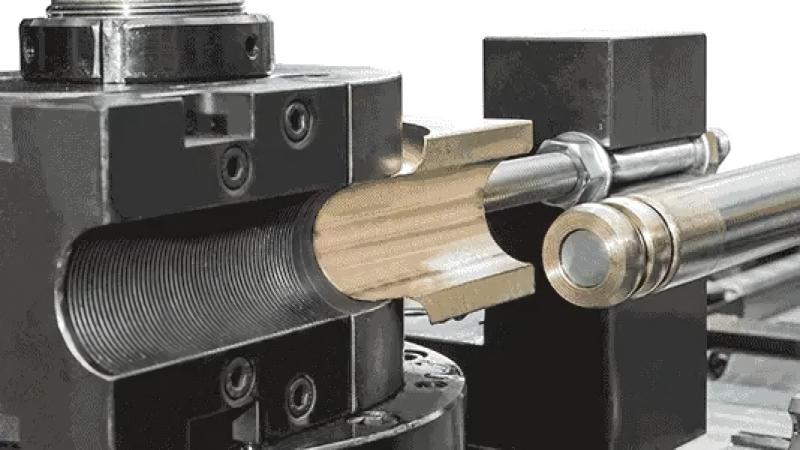
Mandrels, wipers, and bending dies absorb heat through friction. Over time, tooling temperature rises enough to change the surface contact between the material and the tools. Excess heat can cause sticking, galling, and increased drag during forming. This leads to marks on the tube surface, uneven bending resistance, and accuracy deviations — especially for polished stainless steel or coated tubes.
Hydraulic System Temperature Fluctuations Affect Force Output
Hydraulic oil viscosity changes with temperature. When oil is cold, the system can feel slow and stiff. When it’s hot, the pressure response becomes unstable. These fluctuations modify the bending force applied and influence timing, ultimately causing variations in bend angle. Continuous production without proper cooling significantly increases this risk.
Common Tube Bending Defects Caused by Temperature Issues
Bend Angle Inconsistency
Operators may notice that angles drift after the first few production cycles. Once the machine warms up, the pressure and friction behavior are no longer the same as during setup.
Surface Cracks and Wrinkles
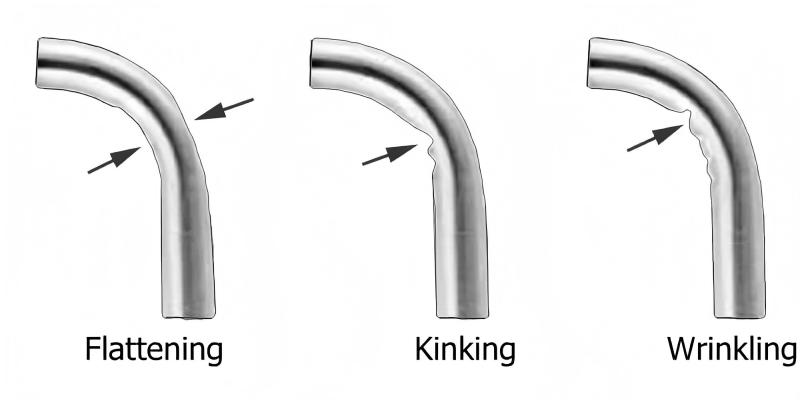
Temperature changes affect how the material flows. If the tube becomes too hot, it may stretch unevenly, causing cracking. If too cold, resistance increases and wrinkles may form.
Springback Variation
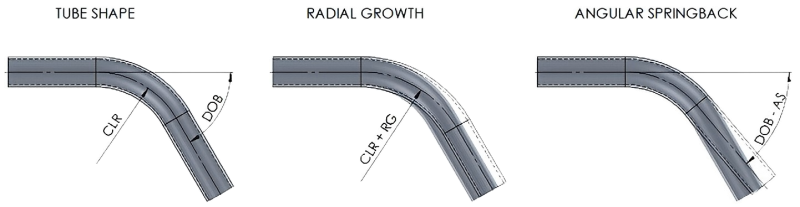
Springback depends on material elasticity, and elasticity changes with temperature. A tube bent at 25°C behaves differently from the same tube bent at 40°C. These variations are often unpredictable unless temperature control is in place.
How to Troubleshoot Tube Bender Temperature Issues
Monitor Material Temperature Consistently
Use infrared thermometers to measure tube temperature at multiple points. A difference of only 10°C can produce noticeable angle changes. Mark target temperature ranges during setup and recheck periodically.
Control Machine Warm-Up Cycles
Avoid calibrating the first bend when the machine is cold and the hydraulics haven’t reached normal operating temperature. Establish warm-up routines to stabilize oil viscosity and tooling temperature.
Implement Cooling and Lubrication Strategies

Add mist or internal lubrication systems for high-friction bending. Consider cooling fans or heat exchangers for continuous production. Adequate lubrication also reduces surface defects and improves tool life.
Adjust Compensation Based on Observed Trends
Modern CNC tube benders allow angle compensation. Track bending results and adjust settings based on consistent temperature behavior rather than reacting bend by bend.
FAQ
Can seasonal weather changes create Tube Bender Temperature Issues?
Yes. Workshops without climate control experience major performance fluctuations, especially with aluminum and thin-wall tubes during summer or winter.
Does hydraulic oil affect bending accuracy?
Absolutely. As hydraulic oil temperature rises, its viscosity drops, affecting pressure consistency and force delivery during bending.
How do I prevent bending defects caused by temperature?
Monitor and control temperature, ensure proper lubrication, stabilize warm-up cycles, and record compensation values as part of standard procedures.
Conclusion
Tube Bender Temperature Issues are one of the most overlooked causes of bending defects, from angle inconsistency to surface damage. By monitoring temperature, controlling warm-up periods, applying proper lubrication, and adapting compensation settings, you can significantly improve bending consistency and reduce wasted materials. If you need deeper guidance, material-specific recommendations, or machine-based solutions, feel free to contact our service team for more support and documentation tailored to your bending applications.
You have not enough Humanizer words left. Upgrade your Surfer plan.


