


Faulty Sensors in Tube Benders can lead to inaccurate bends, reduced productivity, and unexpected machine shutdowns, even when the malfunction seems minor. If you are searching for a clear and practical way to troubleshoot these sensor issues, you’re in the right place. In this guide, I’ll walk you through the most common causes of sensor failures, how to diagnose them correctly, and the proven steps to fix these problems. Whether you’re an experienced operator or just getting started, this article will help you restore stable sensor performance and keep your tube bending process running efficiently.
Common Signs of Faulty Sensors in Tube Benders
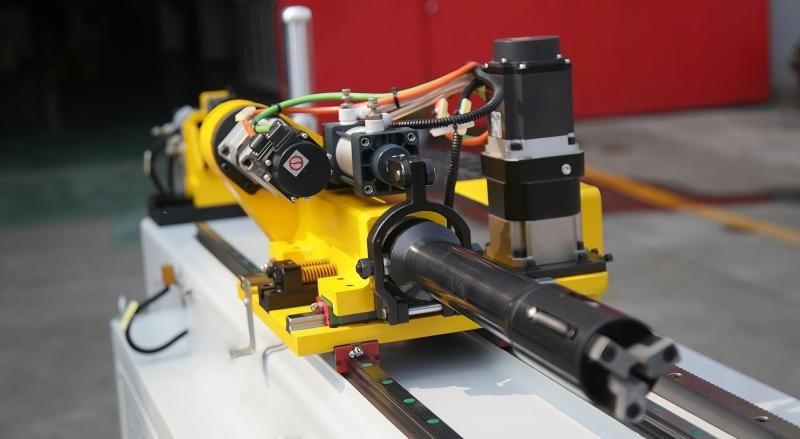
Sensor Misreads Causing Bend Angle Errors
When a sensor begins to drift or misread positions, you may notice inconsistent bend angles or unexpected tolerance deviations. This issue often occurs when the angle sensor is dirty, damaged, or improperly calibrated.
Unresponsive Sensors in Automatic Mode
If the tube bender fails to detect tube presence, position changes, or cycle completion, the root cause may be a proximity sensor or photoelectric sensor failing to trigger.
Unexpected Machine Stops or Safety Alarm Triggers

Faulty safety sensors, such as emergency stop circuits or interlock switches, can cause the tube bender to halt unexpectedly. These must be checked immediately to avoid safety risks and production downtime.
How to Diagnose Faulty Sensors in Tube Benders
Step 1: Inspect Sensor Wiring and Connections
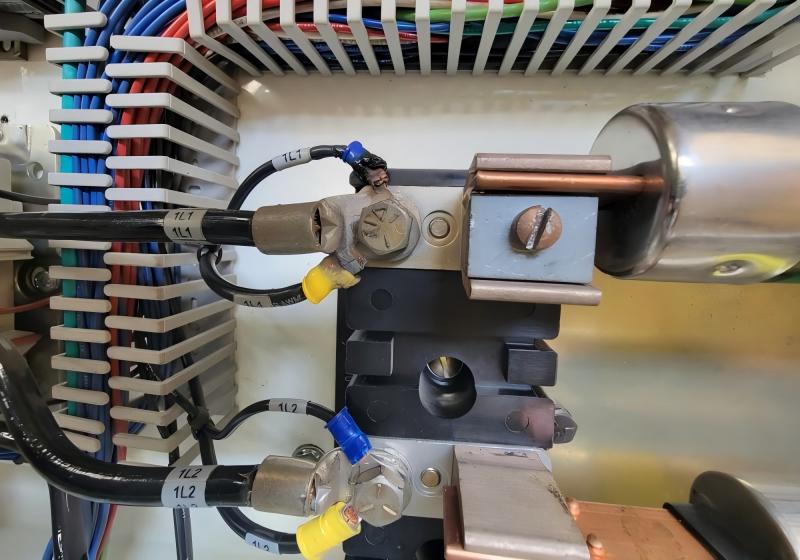
Loose, broken, or corroded wires are among the most common causes of Faulty Sensors in Tube Benders. I start by checking every connector, making sure no cable has been pulled or damaged during operation. Tightening or replacing connectors often resolves intermittent faults.
Step 2: Check for Dirt, Oil, or Debris on Sensor Surfaces
Tube bending environments often include lubrication oil, dust, and metal shavings that can cover optical or proximity sensors. Cleaning them with a soft cloth and appropriate solvent can quickly restore accurate readings.
Step 3: Verify the Sensor Power Supply
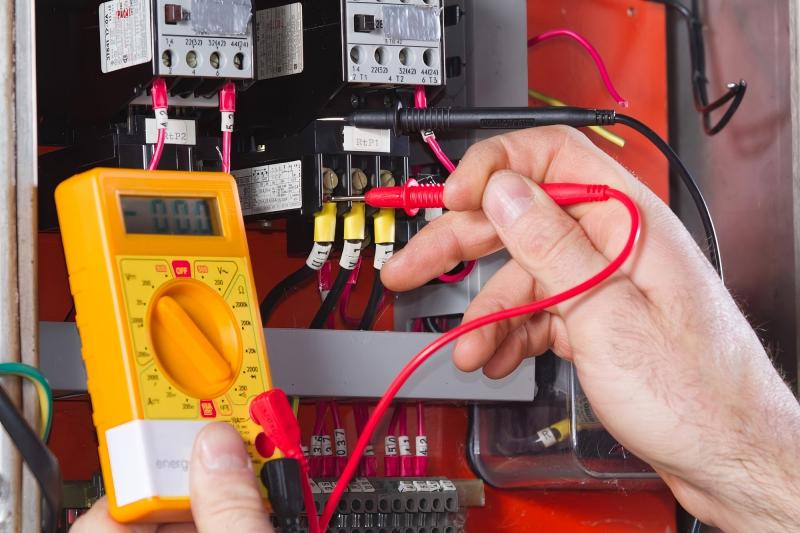
If the sensor LED is not turning on, I check if the power supply is stable. Low voltage, blown fuses, or faulty I/O modules can cause sensors to stop responding. Restoring proper voltage usually resolves the problem.
Step 4: Test Sensor Activation Distance
A proximity sensor that detects too late or too early needs adjustment. Tube bender operators often overlook activation distance, but recalibrating it ensures precise positioning and prevents cycle errors.
Step 5: Review PLC Diagnostics and Alarm Codes
Modern CNC and NC tube benders provide detailed alarms through PLC or system screens. I use these codes to pinpoint whether the fault is related to communication errors, mismatched parameters, or sensor hardware failures.
How to Fix Faulty Sensors in Tube Benders
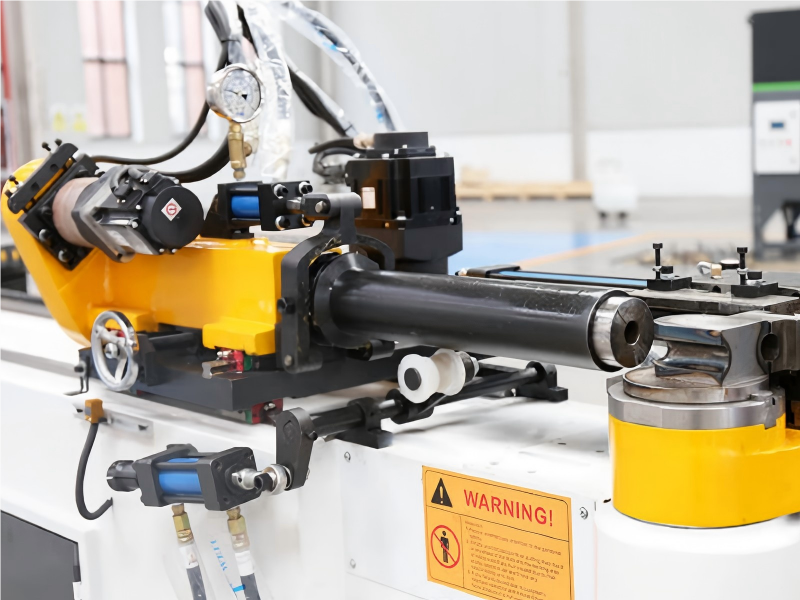
Replace Damaged or Aged Sensors
If diagnostics confirm a hardware failure, replacing the sensor is the most effective solution. Sensors degrade over time, especially in high-heat or oil-rich environments.
Recalibrate Sensor Parameters in the Controller
When bend accuracy drifts, recalibrating zero positions, bend angle references, or feed length parameters helps correct long-term errors. This step is crucial in resolving tube bender angle sensor calibration issues.
Adjust Sensor Mounting Brackets
Misalignment occurs when brackets shift due to vibration. I ensure all mounts are tightened and sensors are positioned correctly to detect tube movement consistently.
Update or Restore PLC Programs
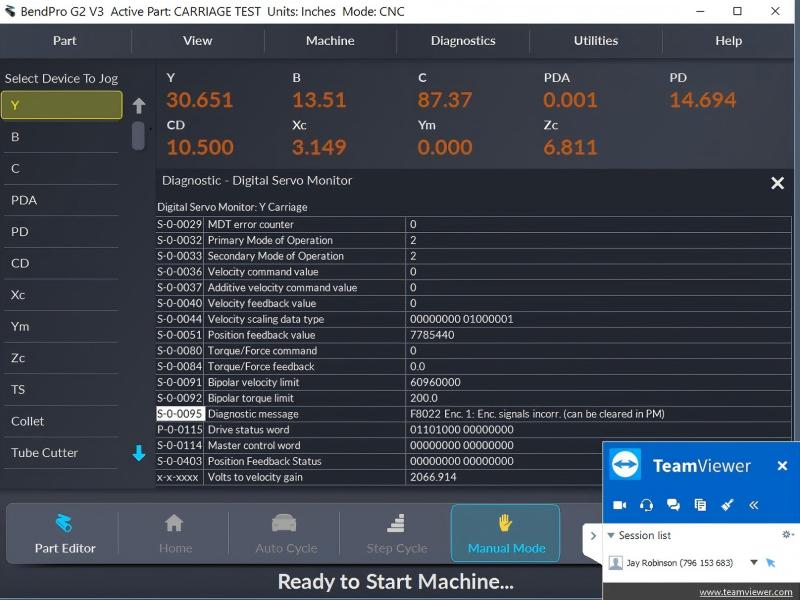
Incorrect software parameters can cause sensors to read incorrectly even when the hardware is functional. Reloading backup parameters or updating firmware often resolves logic-related issues.
Strengthen Cable Protection
If wiring damage is frequent, adding cable sleeves, conduit protection, or proper cable routing helps prevent future failures.
FAQ
What causes most Faulty Sensors in Tube Benders?
The most common causes include wiring damage, dirt accumulation, incorrect calibration, and sensor aging. Identifying these early helps prevent production downtime.
How do I know if my angle sensor needs recalibration?
If your bend angles become inconsistent or vary from programmed values, recalibration is necessary. This ensures the sensor outputs accurate position data.
Can software issues cause sensors to malfunction?
Yes. Incorrect PLC parameters or corrupted firmware can cause sensors to behave unpredictably even when the hardware is working properly.
How often should I inspect tube bender sensors?
I recommend inspecting sensors weekly in heavy-use environments and during every preventive maintenance cycle.
Conclusion
Fixing Faulty Sensors in Tube Benders doesn’t have to be complicated. By checking wiring, cleaning sensor surfaces, verifying power supplies, recalibrating values, and aligning mounting points, you can resolve most problems quickly and prevent unexpected downtime. Consistent sensor maintenance not only improves bending accuracy but also extends the lifespan of your machine.
If you need professional support, spare parts, or further troubleshooting guidance, feel free to reach out to our HARSLE technical team—we’re always ready to assist.


