


When customers ask about the ideal Press Brake Maintenance Schedule, they are rarely looking for a fixed checklist or a single maintenance interval. What they really want to understand is how often a press brake should be inspected, lubricated, adjusted, and checked to maintain bending accuracy and prevent unexpected downtime. Based on real shop-floor experience, an effective Press Brake Maintenance Schedule is not universal. It is a structured routine built around daily operating habits, production load, and the key components that influence accuracy and safety. This article explains how to create a practical maintenance schedule, what to inspect at different intervals, and how proper planning extends machine life while ensuring consistent bending quality.
Why a Press Brake Maintenance Schedule Matters
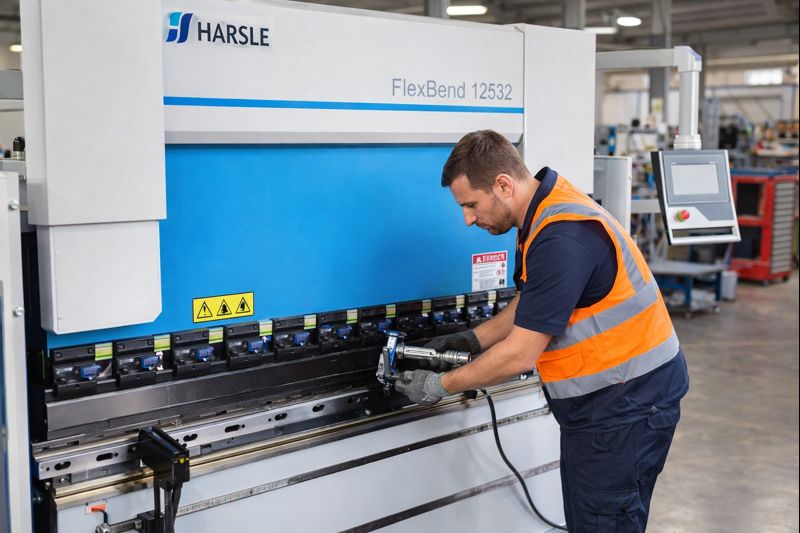
A press brake may look solid and reliable, but its accuracy depends on many moving parts working together. Guide rails, ball screws, hydraulic systems, backgauge axes, and tooling alignment all gradually change during daily production. Without a defined Press Brake Maintenance Schedule, small issues often go unnoticed until bending angles drift, repeatability drops, or breakdowns occur.
I’ve seen many cases where operators blamed tooling or material quality, only to discover that skipped lubrication or loose fasteners were the real causes. A proper maintenance schedule helps you control these variables before they affect production.
Daily Press Brake Maintenance Schedule Tasks
Visual Inspection Before Startup
Every shift should start with a quick visual check. I always recommend operators look for oil leaks, loose bolts, abnormal noises, or error messages on the control system. This step takes only a few minutes but can prevent serious damage if a problem is caught early.
Cleaning Guide Rails and Work Area
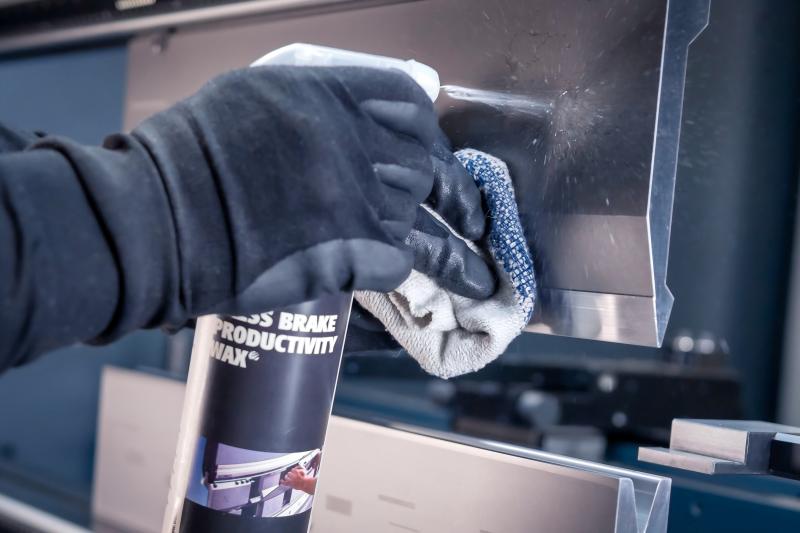
Dust, metal chips, and debris are silent enemies of precision. As part of the daily Press Brake Maintenance Schedule, guide rails, linear bearings, and the worktable should be kept clean. Even small particles can increase wear and affect backgauge positioning accuracy.
Basic Lubrication Checks
Daily maintenance does not mean full lubrication every day, but operators should confirm that automatic lubrication systems are functioning and that no lubrication points are dry. If lubrication lines are blocked, accuracy loss often follows.
Weekly Press Brake Maintenance Schedule Tasks
Checking Backgauge Accuracy

Once a week, I suggest verifying backgauge repeatability using a simple measurement test. Small deviations are often early signs of wear or contamination on ball screws and guide rails.
Inspecting Tooling and Clamping Systems
Tooling condition directly affects bending quality. Weekly checks should include inspecting punches and dies for cracks, deformation, or uneven wear, as well as confirming that clamping systems hold tools securely without play.
Reviewing Hydraulic System Condition

For hydraulic press brakes, checking oil level, temperature, and visible hose connections weekly is essential. Abnormal oil color or excessive heat usually indicates contamination or system inefficiency.
Monthly Press Brake Maintenance Schedule Tasks
Lubrication of Mechanical Components
Monthly maintenance should include thorough lubrication of guide rails, ball screws, and bearings according to the manufacturer’s recommendations. This is a critical step in any Press Brake Maintenance Schedule focused on long-term accuracy.
Electrical and Sensor Inspection
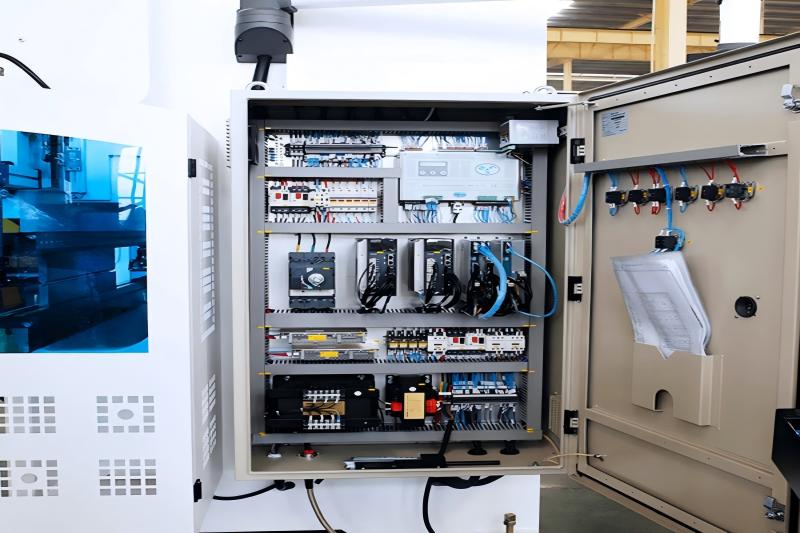
I recommend checking limit switches, encoders, and safety sensors monthly. Loose connections or misaligned sensors can cause positioning errors or unexpected machine stops.
Machine Level and Fastener Checks
Over time, vibration and heavy workloads can affect machine leveling. Monthly verification of machine level and tightening of anchor bolts helps maintain consistent bending results.
Annual Press Brake Maintenance Schedule Tasks
Full Accuracy Inspection and Calibration
At least once a year, a complete accuracy inspection should be performed. This includes checking ram parallelism, backgauge axis calibration, and bending angle consistency. This step is often overlooked but is essential for restoring original machine performance.
Hydraulic Oil Replacement and System Cleaning
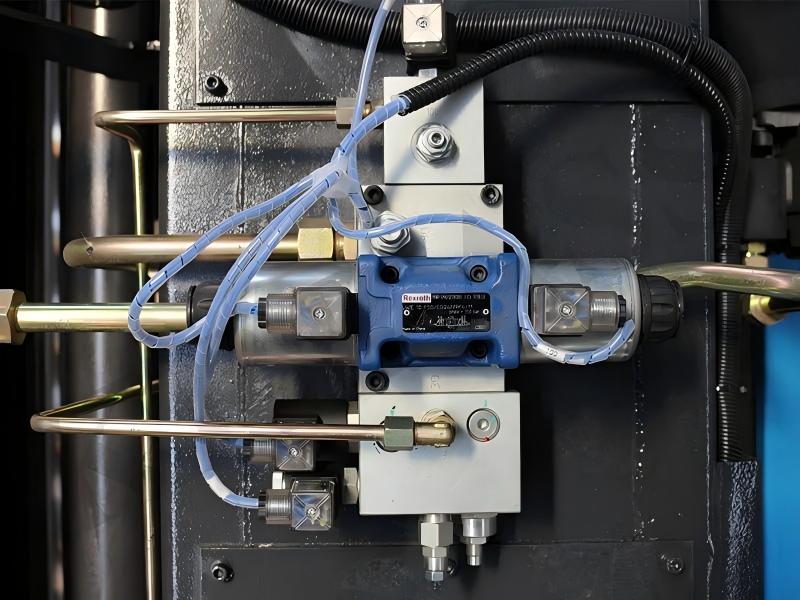
Hydraulic oil degrades over time. An annual oil replacement, along with filter changes and system flushing if necessary, is a key part of a professional Press Brake Maintenance Schedule.
Safety System Verification
Light curtains, safety interlocks, and emergency stop systems must be tested annually to ensure compliance and operator safety. Safety issues are not optional maintenance items.
Adjusting the Press Brake Maintenance Schedule Based on Usage
Not all press brakes operate under the same conditions. A machine running two shifts daily requires more frequent inspections than one used occasionally. I always advise customers to adjust their Press Brake Maintenance Schedule based on operating hours, material thickness, and bending complexity rather than relying solely on calendar intervals.
FAQs
How often should a press brake be maintained according to a standard Press Brake Maintenance Schedule?
Daily checks should be performed every shift, weekly inspections once per week, monthly maintenance once per month, and comprehensive inspections at least once per year. High-production machines may require shorter intervals.
Can skipping lubrication affect press brake accuracy?
Yes. Poor lubrication increases friction and wear on guide rails and ball screws, leading to positioning errors and inconsistent bending angles over time.
Is preventive maintenance better than fixing problems when they occur?
In my experience, preventive maintenance is always more cost-effective. A structured Press Brake Maintenance Schedule helps avoid unexpected downtime and expensive repairs.
Conclusion
An ideal Press Brake Maintenance Schedule is not complicated, but it must be consistent. By combining daily visual checks, weekly accuracy inspections, monthly lubrication and adjustments, and annual calibration, you can keep your press brake reliable and accurate for years. A clear maintenance routine reduces downtime, protects key components, and ensures stable bending quality. If you want more detailed guidance or need help creating a maintenance plan tailored to your production, feel free to explore our related documentation or contact the HARSLE technical team for professional support.


