


Press Brake Accuracy Maintenance starts much earlier than many customers expect, especially when a press brake is newly installed. From my experience on real production floors, assuming that accuracy problems only appear after months of use often leads to early bending issues. In reality, accuracy maintenance should begin immediately after installation. If you are looking for what needs to be checked to keep bending accuracy stable from day one, this guide provides clear and practical answers. I’ll explain what to inspect, adjust, and verify after installation so you can avoid angle deviation, inconsistent bends, and unnecessary troubleshooting later.
Why Press Brake Accuracy Maintenance Starts After Installation
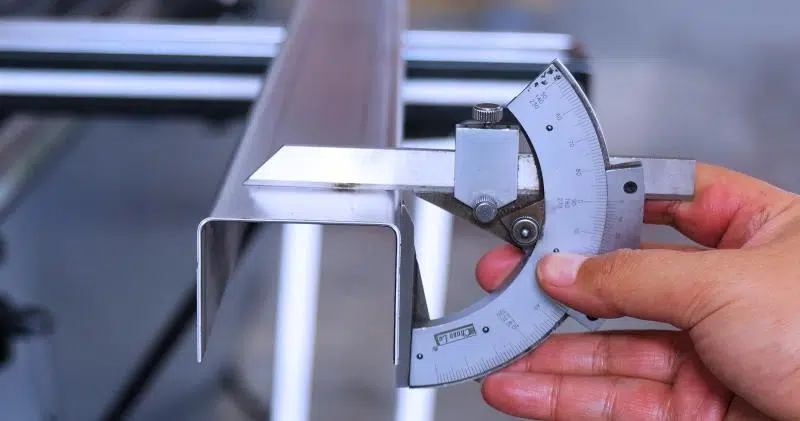
The installation stage defines how well a press brake performs over its entire service life. Even a high-end machine can lose accuracy if installation-related checks are ignored. Press Brake Accuracy Maintenance at this stage focuses on removing hidden risks such as poor leveling, uneven force distribution, and unstable system settings that directly affect bending precision.
Checking Machine Leveling and Foundation Condition
One of the first things I check is machine leveling. An uneven floor or insufficient foundation strength causes frame distortion during bending. This distortion may be small, but it leads to angle differences across the bending length. Use a precision level to confirm the machine is level in all directions. Proper leveling is the foundation of long-term bending accuracy.
Rechecking Anchor Bolts After Initial Operation
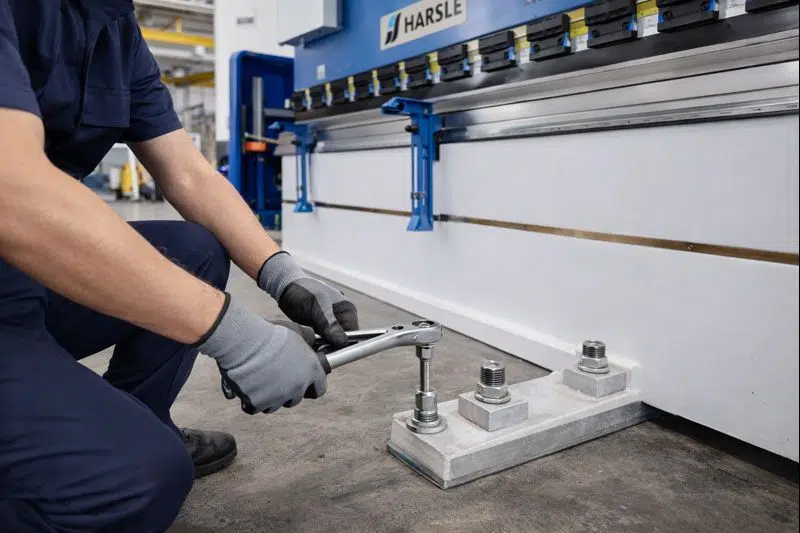
After the press brake runs for the first time, vibration and load can slightly loosen anchor bolts. This is a common but overlooked issue. As part of Press Brake Accuracy Maintenance, recheck and retighten anchor bolts after trial production. A machine that shifts even slightly during bending will never deliver consistent results.
Guide Rail and Ram Movement Inspection
Smooth and stable ram movement is essential for accurate bending. Many post-installation accuracy problems are linked to guide rails rather than tooling or programming.
Guide Rail Lubrication and Cleanliness
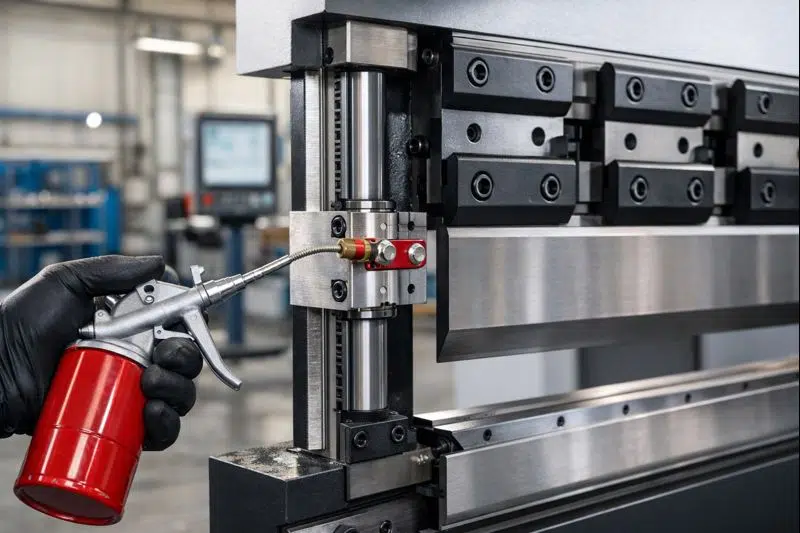
Inspect guide rails for proper lubrication and cleanliness. Dry rails or contaminated grease increase friction and cause uneven ram motion. Clean the guide rails thoroughly and apply the recommended lubricant. Proper lubrication is a core part of Press Brake Accuracy Maintenance and directly affects angle repeatability.
Monitoring Ram Movement Consistency
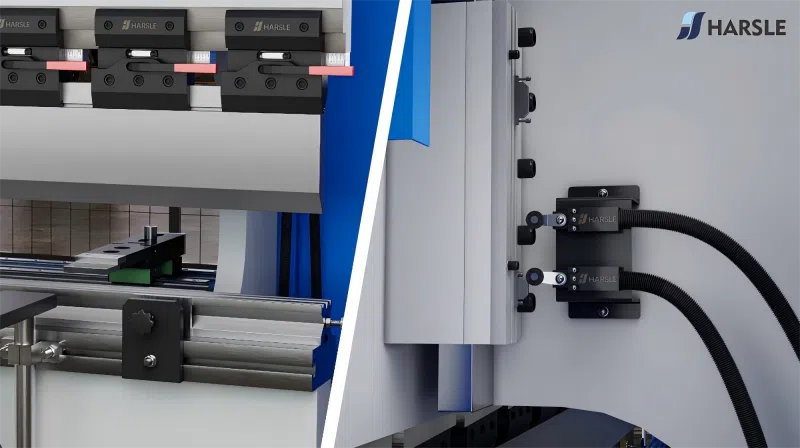
Run the ram at slow speed and observe its movement. Any abnormal noise, vibration, or resistance indicates alignment or lubrication issues. Addressing these problems early prevents long-term wear that reduces bending precision.
Tooling Installation and Alignment Checks
Tooling errors are one of the fastest ways to lose accuracy after installation.
Ensuring Proper Tool Seating and Clamping
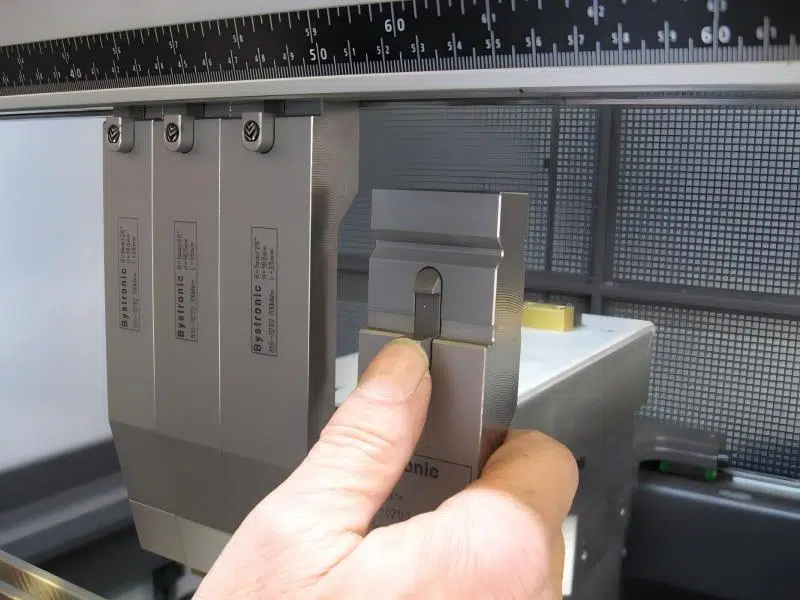
Make sure punches and dies are fully seated with no debris between contact surfaces. Uneven clamping pressure can tilt the tooling slightly, resulting in angle deviation. As part of Press Brake Accuracy Maintenance, always verify clamping uniformity before production.
Aligning Punch and Die Across the Bending Length
Check that the punch and die are correctly aligned along the entire bed. Misalignment causes uneven force distribution, especially noticeable on long workpieces. This step is essential when learning how to calibrate a press brake for accuracy after installation.
Backgauge System Calibration and Verification
Accurate bending angles alone are not enough if backgauge positioning is inconsistent.
Mechanical Alignment of the Backgauge
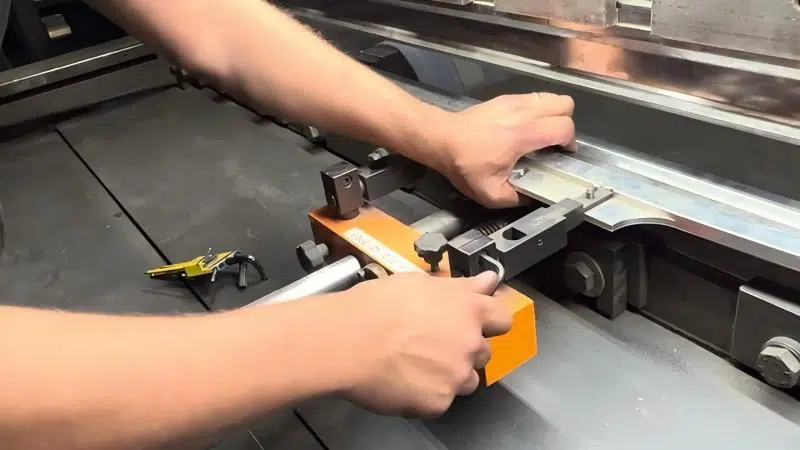
Inspect backgauge fingers and rails to ensure they are parallel to the bending line. Mechanical misalignment introduces positioning errors that software compensation cannot fully correct.
Repeatability Testing of Backgauge Positions
Move the backgauge to the same position repeatedly and measure the results. Press Brake Accuracy Maintenance requires repeatability, not just single-point accuracy.
Hydraulic and Electrical System Checks
Hydraulic and electrical systems play a major role in bending accuracy, especially during early operation.
Hydraulic Pressure Stability and Oil Condition
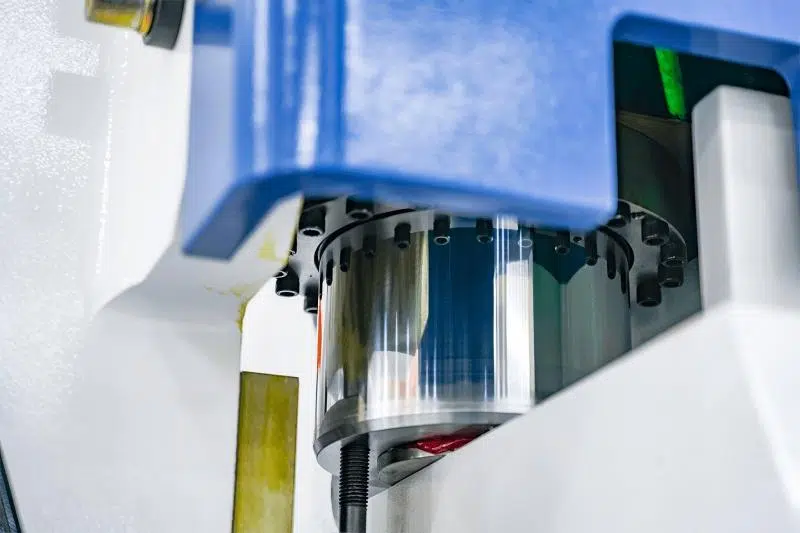
Check hydraulic pressure under load and ensure it remains stable during bending. Inspect hydraulic oil for contamination or air bubbles. Clean oil and stable pressure are essential elements of Press Brake Accuracy Maintenance.
Sensor Feedback and Electrical Connections
Verify that linear scales, encoders, and sensors are securely installed and correctly calibrated. Loose connections or misaligned sensors can cause inaccurate ram positioning even if mechanical components are correct.
Test Bending and Accuracy Validation
Final validation confirms whether all checks were successful.
Performing Test Bends on Different Materials
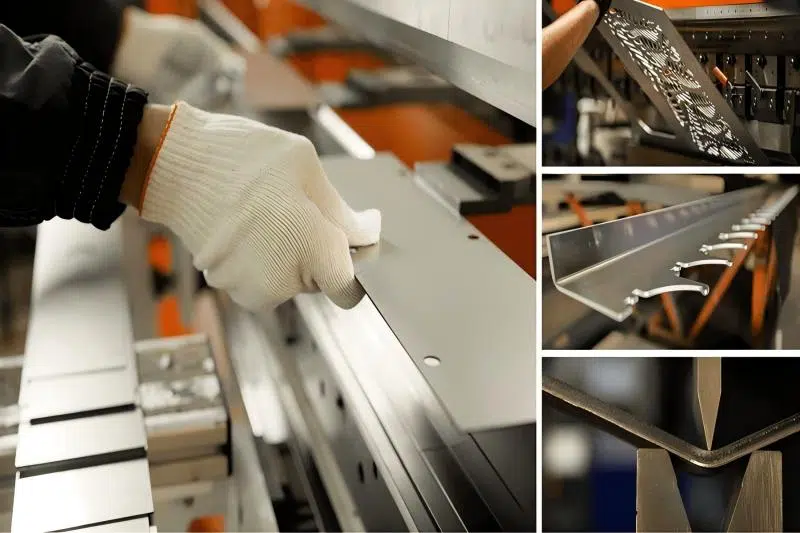
Test bending with different materials and thicknesses to verify consistent angles. This helps confirm accuracy under real production conditions.
Recording Baseline Accuracy Data
Record bending angles, backgauge positions, and pressure values as baseline data. This makes future Press Brake Accuracy Maintenance faster and more reliable.
FAQs
Why is Press Brake Accuracy Maintenance important right after installation?
Early accuracy maintenance prevents installation-related issues from turning into long-term bending problems and helps maintain stable production quality.
How to calibrate a press brake for accuracy after installation?
Start with machine leveling, then check ram movement, tooling alignment, and backgauge positioning. Perform test bends and fine-tune settings based on actual results.
How often should accuracy maintenance be performed after installation?
Initial checks should be done within the first weeks of operation, followed by regular inspections based on production intensity and accuracy requirements.
Conclusion
Press Brake Accuracy Maintenance after installation is the foundation of reliable and precise bending. By carefully checking leveling, guide rails, tooling, backgauge systems, and hydraulic stability, you can eliminate the most common sources of accuracy loss before they affect production. From my experience, customers who follow these steps early achieve better consistency, lower scrap rates, and longer machine life. If you need professional support or detailed checklists, the HARSLE team is always ready to help you keep your press brake performing at its best.


