


Press Brake Safety Devices are the first thing I focus on whenever customers ask how to keep their press brake safe in daily production. These systems are not optional accessories—they are essential protections that safeguard operators, ensure regulatory compliance, and help prevent costly accidents. If you are looking for practical, real-world guidance on how to maintain press brake safety devices correctly, this article is written for you. Drawing on real factory experience, I’ll explain what should be checked, how often inspections are needed, and how consistent safety maintenance habits lead to safer, more stable bending operations.
Understanding Press Brake Safety Devices and Their Role
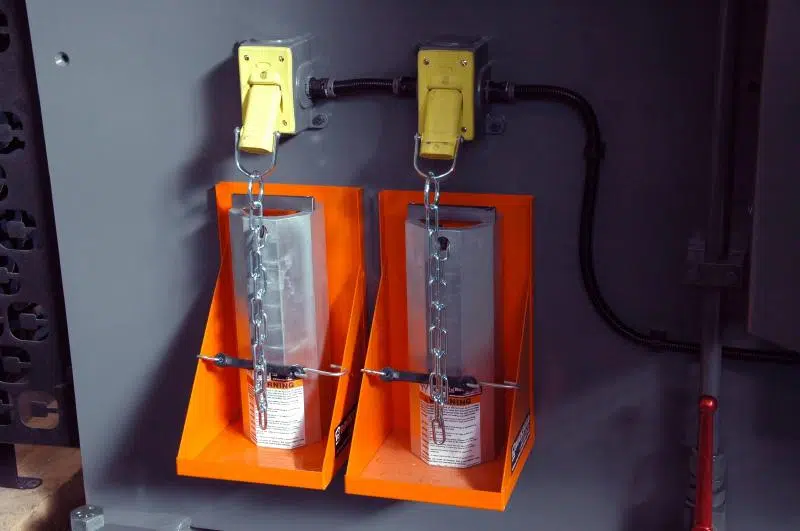
Before talking about maintenance, it’s important to understand what press brake safety devices actually do. These systems work together to detect operator presence, monitor machine movement, and stop dangerous actions before accidents happen. Common press brake safety devices include light curtains, laser protection systems, safety relays, emergency stop circuits, two-hand control systems, and safety PLCs.
In daily production, these devices are exposed to dust, vibration, electrical fluctuations, and mechanical wear. Without regular inspection and proper adjustment, even advanced safety systems can lose effectiveness over time.
Daily Checks for Press Brake Safety Devices
Visual Inspection Before Startup
At the beginning of each shift, I always recommend a quick visual inspection of all press brake safety devices. This simple habit helps catch issues early before they turn into serious risks.
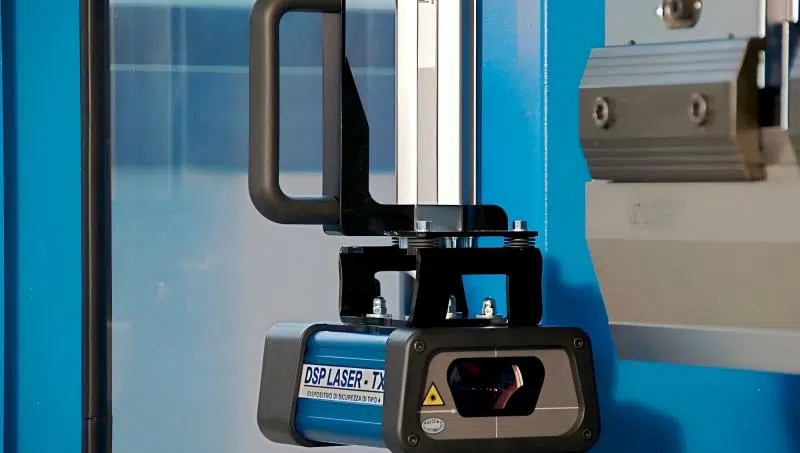
Check whether light curtains or laser protection units are clean, properly aligned, and free from oil mist or metal dust. Look for damaged cables, loose connectors, or warning lights on safety controllers. If any safety indicator shows an error, the machine should not be operated until the issue is resolved.
Testing Emergency Stop Functions
Emergency stop buttons are among the most critical press brake safety devices, yet they’re often overlooked. I suggest testing every emergency stop button daily or at least once per shift.
Press the emergency stop during idle mode and confirm that the machine stops immediately and cannot restart until the button is manually reset. Any delay or inconsistent response is a clear sign that maintenance is required.
Weekly and Monthly Maintenance Practices
Cleaning and Alignment of Light Curtains
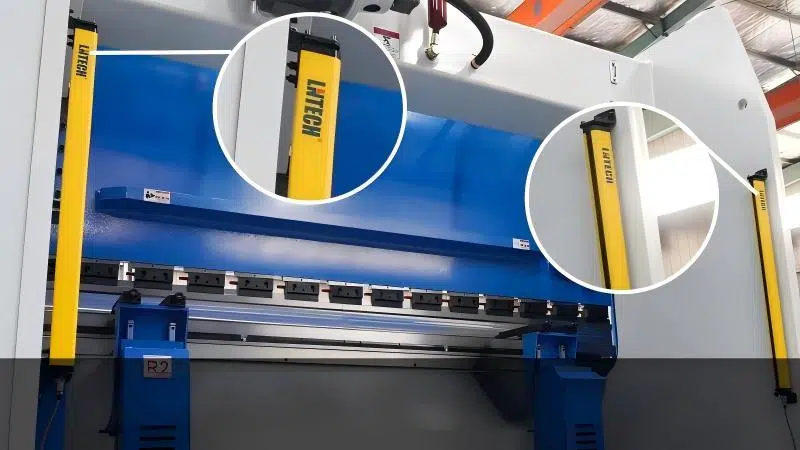
Light curtains are extremely sensitive safety components. Dust, fingerprints, or misalignment can cause false alarms—or worse, missed detections.
Once a week, clean the transmitter and receiver lenses using a soft, dry cloth. Avoid aggressive cleaners that may damage optical surfaces. After cleaning, confirm that the light curtain alignment indicator shows stable operation and that interruption of the beam stops the ram instantly.
Inspection of Safety Relays and Wiring
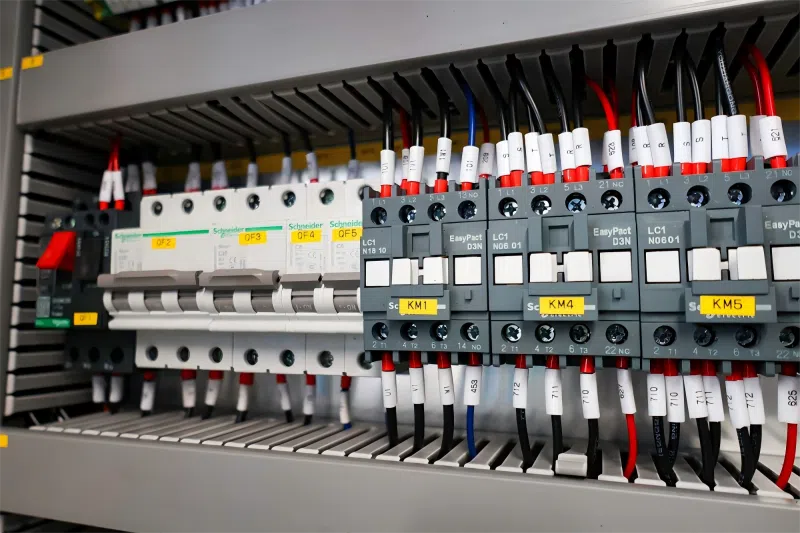
Safety relays and safety PLCs are the brains behind press brake safety devices. Monthly inspections should include checking terminal tightness, wire insulation condition, and cabinet cleanliness.
Loose wiring or overheating components can lead to unpredictable safety behavior. In my experience, many safety faults are electrical rather than mechanical, and early inspection prevents sudden shutdowns during production.
Maintaining Laser Safety Systems on CNC Press Brakes
Calibration and Functional Testing
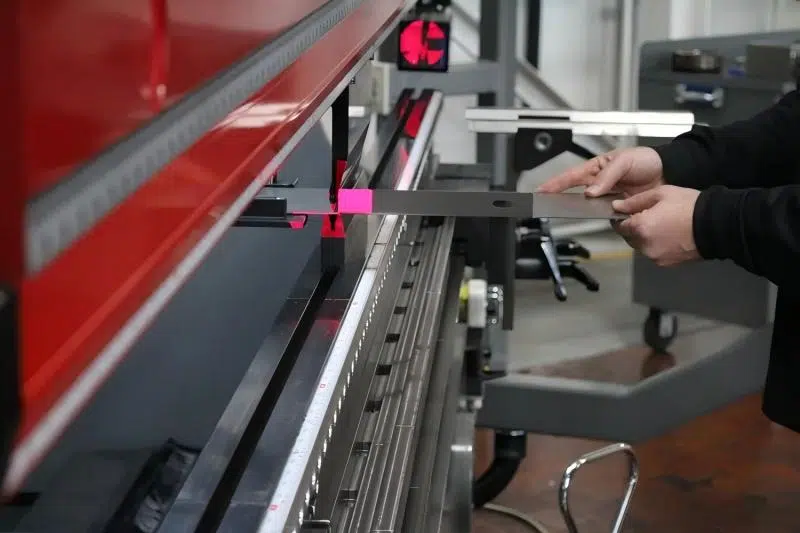
Laser-based press brake safety devices require periodic calibration to maintain detection accuracy. Follow the manufacturer’s recommended calibration interval, usually every three to six months.
During testing, place certified test rods or blocks in the detection zone and verify that the ram stops at the correct distance. Any deviation should be corrected immediately, as incorrect detection distances compromise operator safety.
Software and Parameter Checks
Modern CNC press brakes rely heavily on software-controlled safety logic. I always advise checking safety parameters after software updates, controller upgrades, or tooling changes.
Confirm that safety zones match actual tooling length and bending positions. Incorrect parameter settings can reduce the effectiveness of press brake safety devices even if the hardware itself is functioning properly.
Preventive Maintenance for Long-Term Safety Compliance
Documentation and Maintenance Records
One of the most overlooked aspects of maintaining press brake safety devices is documentation. Keeping detailed maintenance records helps track recurring issues, supports audits, and ensures compliance with CE or local safety standards.
Record inspection dates, test results, corrective actions, and replacement parts. This habit not only improves safety management but also protects your company during safety inspections.
Operator Training and Awareness
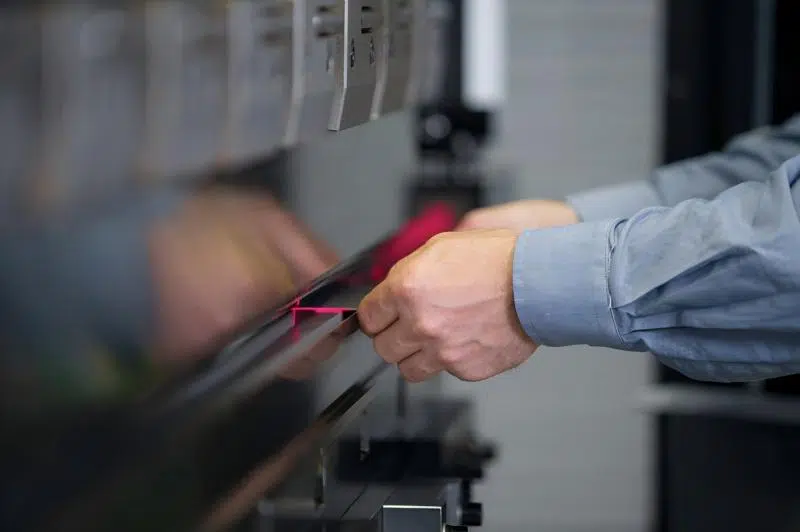
No safety device works effectively without trained operators. I strongly recommend regular operator training focused specifically on press brake safety devices.
Operators should understand how safety systems function, what warning signals mean, and when to stop production and report issues. In real workshops, most safety incidents happen not because devices fail, but because warning signs are ignored.
FAQs
How often should press brake safety devices be inspected?
Basic visual checks should be done daily, functional tests weekly, and detailed inspections monthly. Laser safety systems and safety PLCs usually require calibration every three to six months.
Can I bypass press brake safety devices temporarily for special jobs?
I strongly advise against bypassing any press brake safety devices. Doing so creates serious safety risks and may violate safety regulations, insurance terms, and local laws.
Why do light curtains trigger false alarms during production?
False alarms are often caused by dust, oil mist, misalignment, or electrical interference. Regular cleaning and alignment checks usually solve the issue.
Do safety devices affect bending accuracy or speed?
When properly maintained, press brake safety devices do not reduce accuracy. In fact, stable safety systems improve consistency by preventing unexpected interruptions and emergency stops.
Conclusion
Maintaining press brake safety devices is not about complicated repairs or expensive upgrades—it’s about consistent inspection, proper cleaning, correct calibration, and operator awareness. By following structured maintenance routines and treating safety systems as critical production components, you can significantly reduce accident risks, avoid downtime, and maintain long-term compliance.
If you need technical guidance, spare parts, or professional support for press brake safety devices, feel free to contact the HARSLE team or explore our related documentation for more in-depth maintenance strategies.


