


Press Brake Proportional Valve Issues are among the most common problems that can affect the performance of your press brake. A malfunctioning proportional valve can cause issues such as inaccurate bending, fluctuating pressure, or even complete machine failure. In this article, I will walk you through the troubleshooting process, providing clear, step-by-step guidance to identify and resolve the most common problems related to your press brake’s proportional valve. Whether you’re dealing with low pressure, erratic movements, or valve sticking, this guide will help you restore your press brake to optimal functionality.
Common Press Brake Proportional Valve Issues
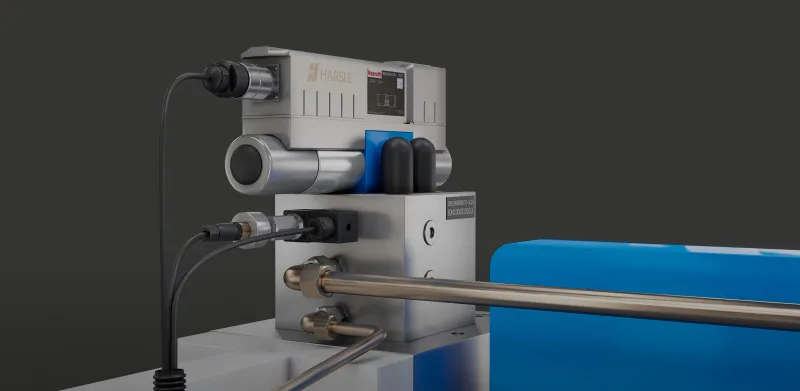
The proportional valve in a press brake controls the flow and pressure of hydraulic fluid, ensuring precise control of the bending process. Here are some common issues you may encounter:
Low or Fluctuating Pressure
If you’re noticing inconsistent pressure or a drop in pressure during operation, it’s likely due to a proportional valve issue. This can result in uneven bends, leading to poor product quality.
- Cause: A clogged or partially stuck valve can restrict the hydraulic fluid flow, leading to inconsistent pressure.
- Solution: Inspect and clean the valve. Ensure there are no blockages in the fluid passages. If cleaning doesn’t solve the problem, the valve may need to be replaced.
Slow or Unresponsive Movements
Press brake rams that move slowly or fail to respond to commands may indicate a proportional valve malfunction.
- Cause: This could be caused by wear in the valve, or the valve’s internal components could be damaged.
- Solution: Check the valve for any signs of wear or corrosion. If the valve is not responsive, recalibrate or replace it as necessary.
Inconsistent Bending Accuracy
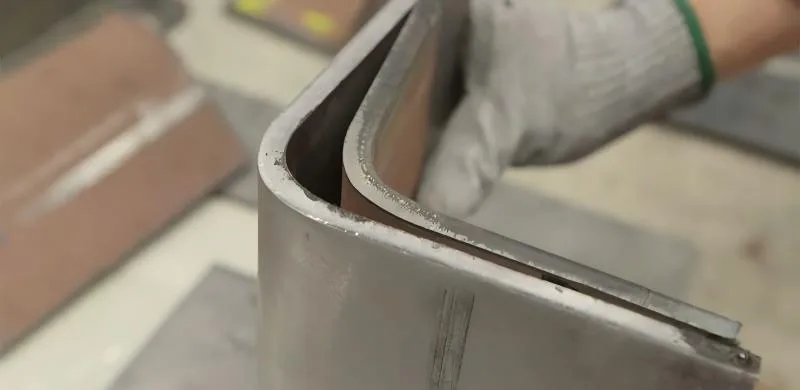
If your press brake’s bending accuracy is inconsistent, the proportional valve may not be adjusting pressure properly during the operation.
- Cause: Valve malfunction can result in improper pressure regulation, leading to inaccurate bends.
- Solution: Inspect the valve for signs of damage and check its calibration. Recalibrate or replace the valve to ensure precise pressure control.
How to Diagnose and Repair Press Brake Proportional Valve Issues
Diagnosing and repairing proportional valve issues involves a methodical approach. Here are the steps to follow:
Step 1: Inspect the Valve for Leaks
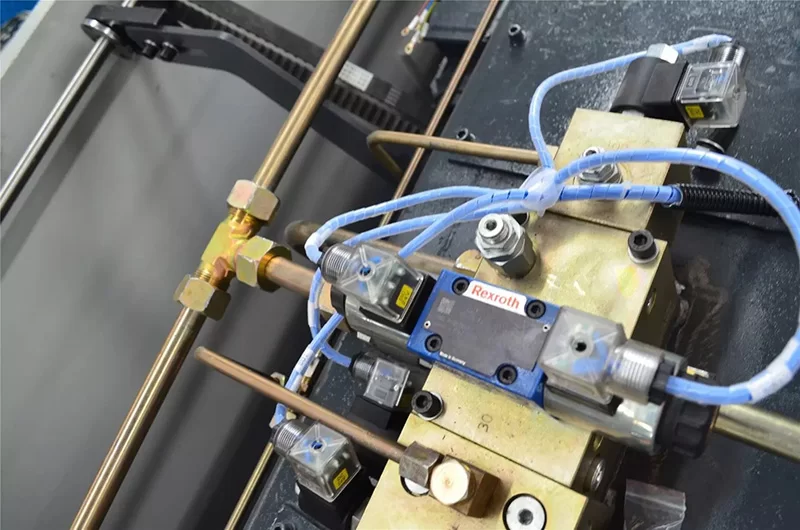
The first step is to inspect the proportional valve for any visible leaks. Leaking valves can lead to pressure loss and reduce the machine’s efficiency.
- Action: Check all connections and seals for any oil seepage. Tighten loose fittings and replace damaged seals as needed.
Step 2: Clean the Valve Components
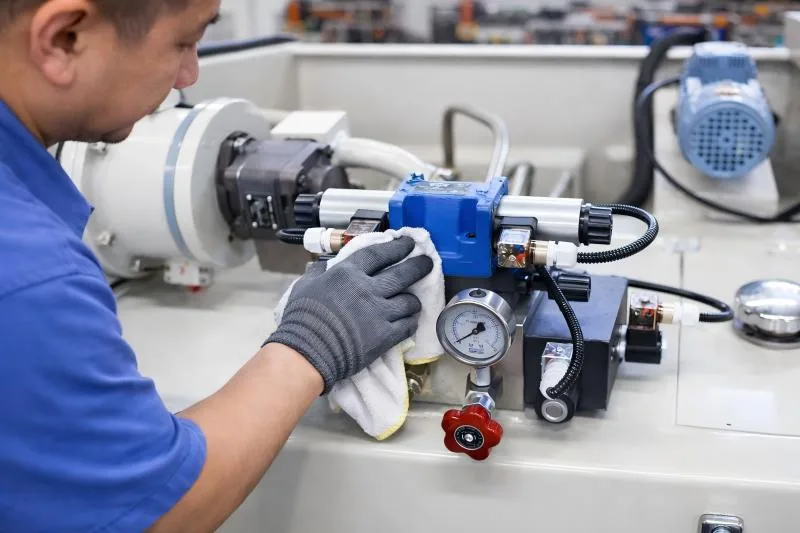
Dirt and debris can cause the proportional valve to malfunction. Cleaning is an essential part of troubleshooting.
- Action: Remove the valve from the press brake and clean it thoroughly. Use compressed air to remove any debris, and check for buildup around the valve components.
Step 3: Test the Valve’s Functionality
Once the valve is cleaned, test it to ensure it’s functioning properly.
- Action: Perform a pressure test to check if the valve regulates the hydraulic pressure as expected. If the test shows irregularities, consider recalibrating the valve.
Step 4: Replace the Valve if Necessary
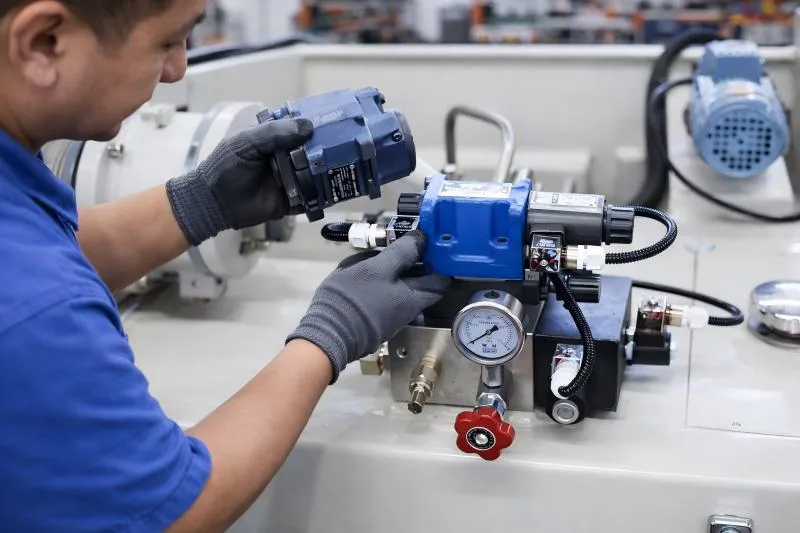
If cleaning and recalibration do not resolve the issue, it may be time to replace the valve.
- Action: If the valve is worn out or beyond repair, remove it carefully and install a new one. Ensure the new valve matches the specifications for your press brake.
Preventive Measures for Proportional Valve Longevity
To prevent proportional valve issues in the future, consider these preventive measures:
Regular Maintenance
Regular maintenance is key to extending the lifespan of your press brake’s proportional valve.
- Action: Set up a routine maintenance schedule to inspect and clean the proportional valve, check for leaks, and ensure the machine operates at peak efficiency.
Use High-Quality Hydraulic Fluid
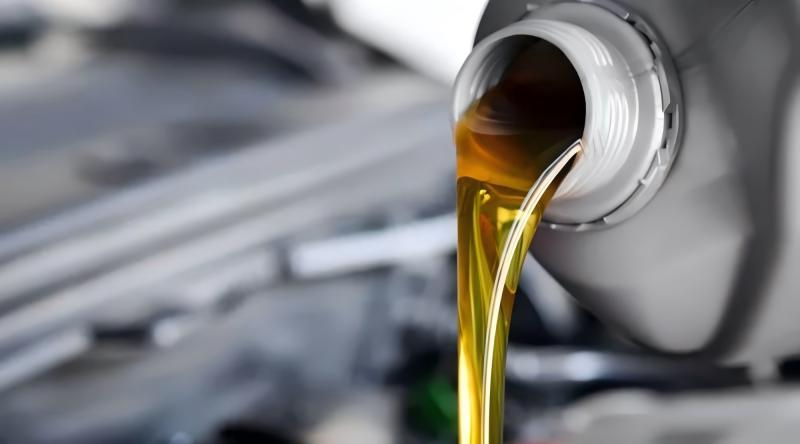
Poor-quality hydraulic fluid can cause premature wear and clogging in the valve.
- Action: Use the recommended hydraulic fluid for your press brake, and change the fluid at regular intervals to maintain smooth valve operation.
Ensure Proper Calibration
Proper calibration ensures the proportional valve functions correctly and provides accurate bending results.
- Action: Regularly calibrate the valve, especially after any maintenance or repairs, to ensure consistent and precise pressure control.
FAQs
How do I know if my press brake’s proportional valve is malfunctioning?
If you’re experiencing fluctuating pressure, slow ram movements, or inconsistent bending accuracy, the proportional valve may be the cause. Inspect and test the valve for any damage or blockages.
Can cleaning the valve solve performance issues?
Yes, cleaning the valve can help if the issue is due to dirt or debris buildup. However, if cleaning doesn’t resolve the problem, further inspection or replacement may be necessary.
How often should I replace the proportional valve?
The proportional valve should be replaced when it shows signs of wear, damage, or after repeated malfunctions that can’t be fixed with cleaning or calibration.
Conclusion
Troubleshooting Press Brake Proportional Valve Issues doesn’t have to be complicated. By following the steps outlined in this article, you can easily identify and resolve common problems, ensuring your press brake operates efficiently and consistently. Regular inspection, cleaning, and maintenance are key to extending the life of the valve and maintaining high-quality production.
For further assistance or if you’re unsure about performing these tasks, don’t hesitate to contact our technical support team. We’re here to help you keep your press brake running smoothly!


