


When I encounter a situation where Press Brake Pressure Building Slowly becomes a problem during production, the first thing I do is investigate the hydraulic system and operating conditions. Slow pressure buildup can reduce bending efficiency, cause unstable forming results, and sometimes trigger machine alarms. In most cases, the issue is not caused by a single component failure but by a combination of hydraulic, mechanical, or control factors. In this guide, I’ll explain the most common reasons why press brake pressure builds slowly and how I typically diagnose and solve these problems in real workshop conditions.
Understanding How Press Brake Hydraulic Pressure Works
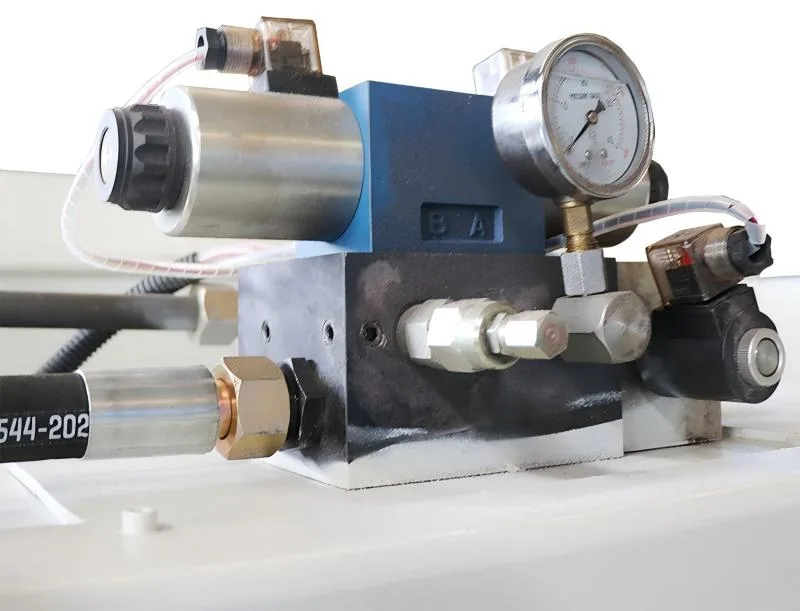
Before troubleshooting why Press Brake Pressure Building Slowly, it helps to understand how the pressure system normally operates. In a hydraulic press brake, the pump pushes hydraulic oil into the cylinder through valves and pipelines. The pressure generated in this system drives the ram downward to perform bending operations.
If any part of this system experiences resistance, leakage, contamination, or control delay, the pressure may increase slowly instead of reaching the required tonnage quickly. Identifying which component is responsible is the key to solving the issue efficiently.
Common Causes of Press Brake Pressure Building Slowly
Several mechanical or hydraulic conditions can cause slow pressure buildup. When diagnosing the problem, I usually inspect the following areas.
Hydraulic Oil Viscosity Is Too High or Too Low
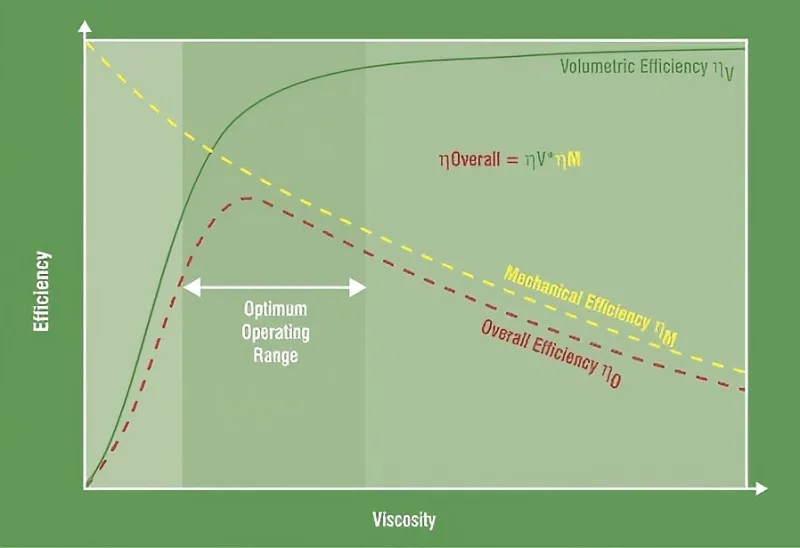
Hydraulic oil condition plays a major role in pressure response. If the oil viscosity is incorrect, the hydraulic pump cannot deliver pressure efficiently.
Common scenarios include:
- Oil that is too thick in cold environments
- Oil degradation due to overheating
- Using hydraulic oil that does not meet manufacturer specifications
When this happens, the pump must work harder to move the oil, which causes delayed pressure buildup. Replacing the oil with the correct grade and ensuring proper operating temperature usually resolves the issue.
Hydraulic Pump Wear or Reduced Efficiency
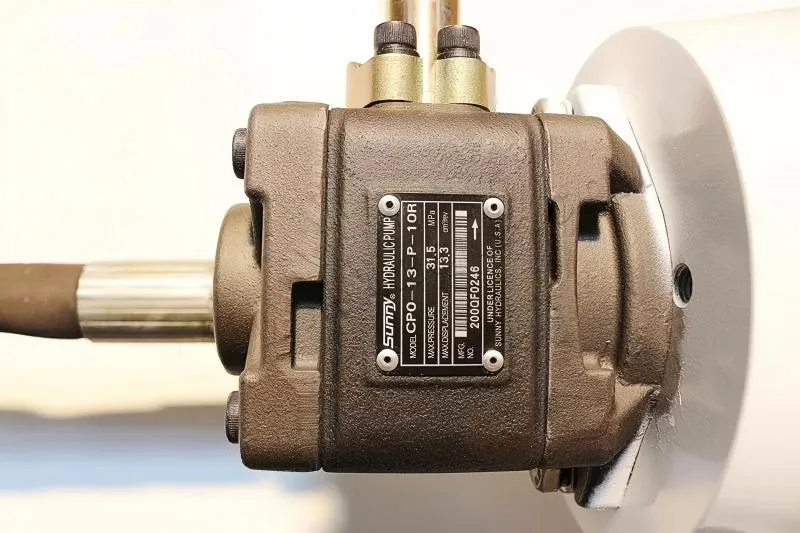
A worn hydraulic pump is another frequent cause of Press Brake Pressure Building Slowly. Over time, internal components such as gears or vanes lose efficiency.
Symptoms may include:
- Slow pressure response during bending
- Reduced maximum tonnage
- Abnormal pump noise
If I suspect pump wear, I measure system pressure and flow rate. If the pump cannot reach rated performance, replacement or rebuilding is necessary.
Internal Leakage in Hydraulic Cylinders
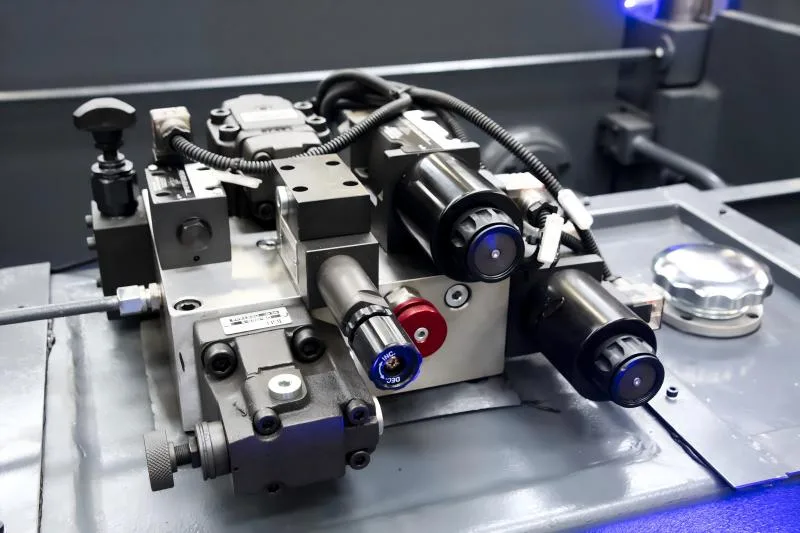
Hydraulic cylinders generate the force required for bending. However, if internal seals wear out, oil may leak between chambers inside the cylinder.
This leads to:
- Pressure loss during operation
- Slower pressure buildup
- Inconsistent bending force
Checking for internal leakage usually involves monitoring pressure stability and inspecting seals. Replacing worn seals often restores normal operation.
Hydraulic Valve Problems That Slow Pressure Response
Hydraulic control valves regulate oil flow and pressure. When these valves malfunction, pressure may increase slowly.
Proportional Valve or Pressure Valve Malfunction
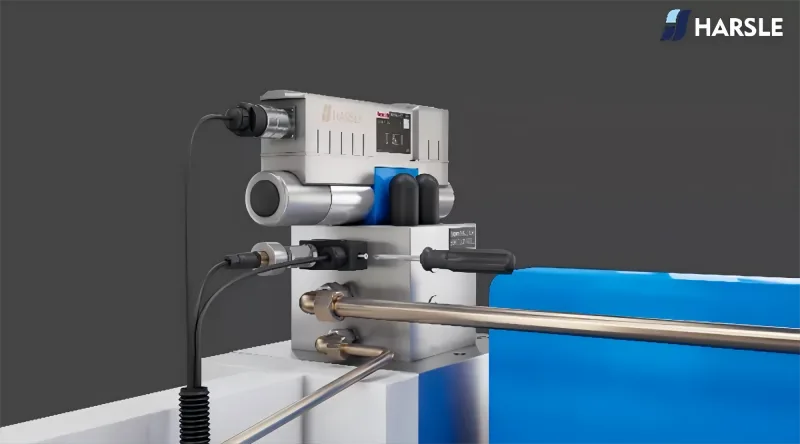
Modern CNC press brakes rely on proportional valves to control pressure accurately. If the valve becomes contaminated or partially blocked, oil flow is restricted.
This may result in:
- Slow ram movement
- Delayed pressure buildup
- Inconsistent bending force
Cleaning or recalibrating the valve often solves the problem.
Hydraulic Filter Blockage
A clogged hydraulic filter restricts oil flow within the system. When oil cannot circulate freely, pressure builds slowly.
Signs of filter blockage include:
- High oil temperature
- Reduced system efficiency
- Increased pump load
Regular replacement of hydraulic filters is an essential part of press brake maintenance.
Electrical or Control System Issues Affecting Pressure
In modern CNC press brakes, pressure control is closely linked to electronic systems.
Incorrect Pressure Parameter Settings
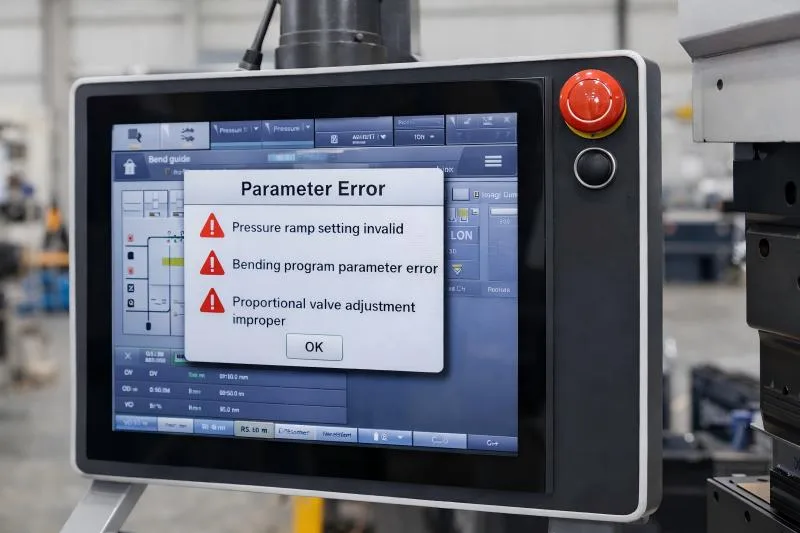
Sometimes Press Brake Pressure Building Slowly is not a mechanical issue but a parameter configuration problem.
Examples include:
- Incorrect pressure ramp settings in the CNC controller
- Incorrect bending program parameters
- Improper proportional valve tuning
Adjusting these parameters through the control system often resolves the issue without mechanical repairs.
Sensor or Pressure Transducer Failure
Pressure sensors send feedback signals to the controller. If a sensor becomes inaccurate or damaged, the system may respond incorrectly.
Possible symptoms include:
- Delayed pressure response
- Pressure fluctuation
- Incorrect tonnage readings
Replacing or recalibrating the pressure transducer usually fixes this problem.
Practical Steps to Diagnose Slow Pressure Buildup
When troubleshooting Press Brake Pressure Building Slowly, I usually follow a systematic inspection process.
Step 1: Check Hydraulic Oil Condition
First, I verify the oil level, viscosity, and contamination. If the oil appears dark, foamy, or degraded, replacing it is the safest solution.
Step 2: Inspect the Hydraulic Pump and Filters
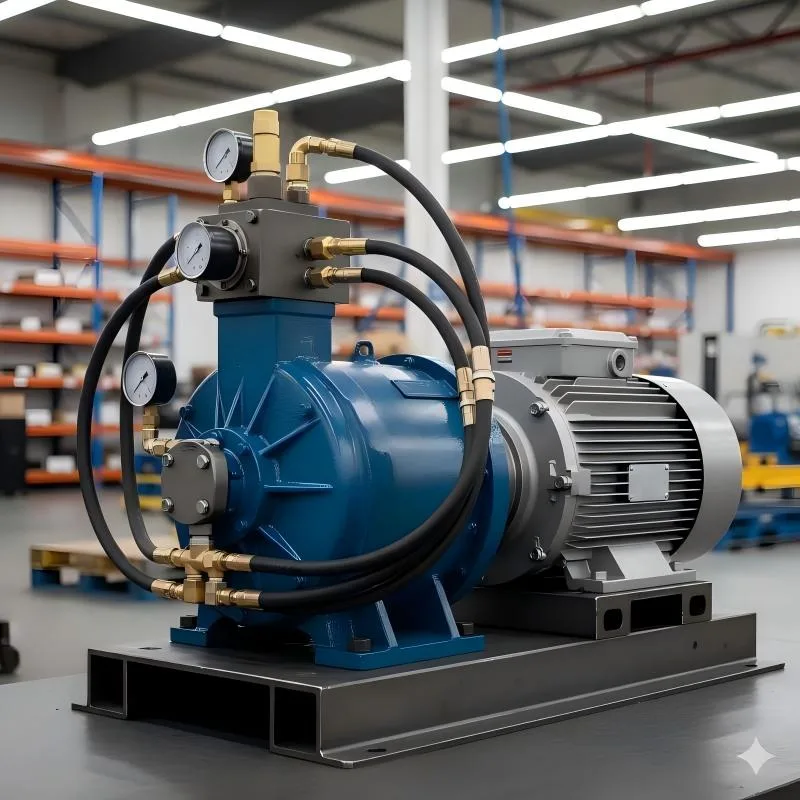
Next, I check pump noise, flow rate, and filter condition. Replacing clogged filters and ensuring proper pump performance is essential.
Step 3: Inspect Valves and Pressure Control Components
After confirming the pump works correctly, I inspect proportional valves and pressure control valves for contamination or calibration errors.
Step 4: Verify CNC Control Parameters
Finally, I review the pressure ramp settings and machine parameters inside the CNC controller. Incorrect settings may limit pressure buildup speed.
Following these steps allows me to isolate the root cause quickly and minimize production downtime.
FAQs
What is the most common cause of Press Brake Pressure Building Slowly?
In many cases, contaminated hydraulic oil or clogged filters are responsible. These issues restrict oil flow and reduce system efficiency.
Can a worn hydraulic pump cause slow pressure buildup in a press brake?
Yes. A worn hydraulic pump cannot deliver the required flow rate, which causes pressure to rise slowly during bending operations.
How can I prevent Press Brake Pressure Building Slowly in the future?
Regular preventive maintenance, including oil replacement, filter changes, and valve inspection, helps maintain stable hydraulic performance.
Can CNC parameter settings affect press brake pressure buildup speed?
Absolutely. Incorrect pressure ramp or tonnage parameters in the controller can delay pressure response even when the hydraulic system is working normally.
Conclusion
When Press Brake Pressure Building Slowly, the root cause usually lies in the hydraulic system, control valves, pump efficiency, or CNC parameter settings. From my experience working with press brakes, systematic troubleshooting is the best way to identify the problem quickly. By inspecting oil condition, checking pumps and filters, verifying valves, and reviewing control parameters, most pressure buildup problems can be resolved efficiently.
Keeping the hydraulic system clean and performing regular preventive maintenance will significantly reduce the chances of slow pressure response in the future. If you need further assistance diagnosing press brake hydraulic problems or improving machine performance, our technical team is always ready to help.


