


If you’ve ever heard loud or unusual noises coming from your press brake during operation, you’re not alone. Press Brake Noise is a common issue that many operators face, and it can impact machine performance, product quality, and overall work efficiency. In this article, I’ll walk you through the possible causes of press brake noise, how to identify them, and the steps you can take to fix it. Whether you’re a seasoned operator or new to using press brakes, understanding these issues will help you maintain a quieter and more efficient machine.
Common Causes of Press Brake Noise
Press brake noise can result from various factors related to the machine’s components, including mechanical wear, hydraulic issues, and lack of maintenance. Identifying the source of the noise is the first step in addressing the problem.
Worn or Loose Mechanical Components
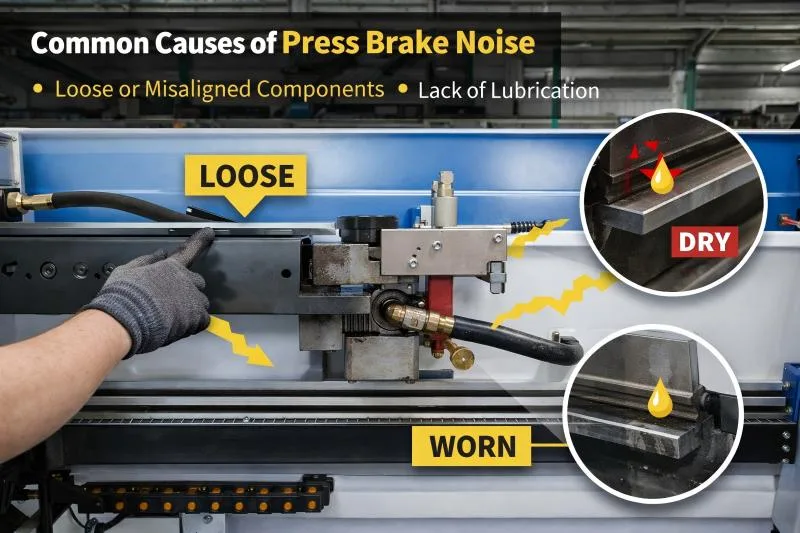
One of the most frequent causes of Press Brake Noise is the wear and tear of mechanical components, such as the guide rails, ball screws, and ram. Over time, these parts can become loose or misaligned, causing friction and vibration, which produce noise. Additionally, the lack of proper lubrication on moving parts exacerbates the issue.
Hydraulic System Issues
The hydraulic system is another key area where noise can originate. Problems like low oil levels, air bubbles in the hydraulic fluid, or worn-out seals in the hydraulic pump can cause the system to function inefficiently, leading to whining, groaning, or rattling noises during operation.
Tooling and Die Problems
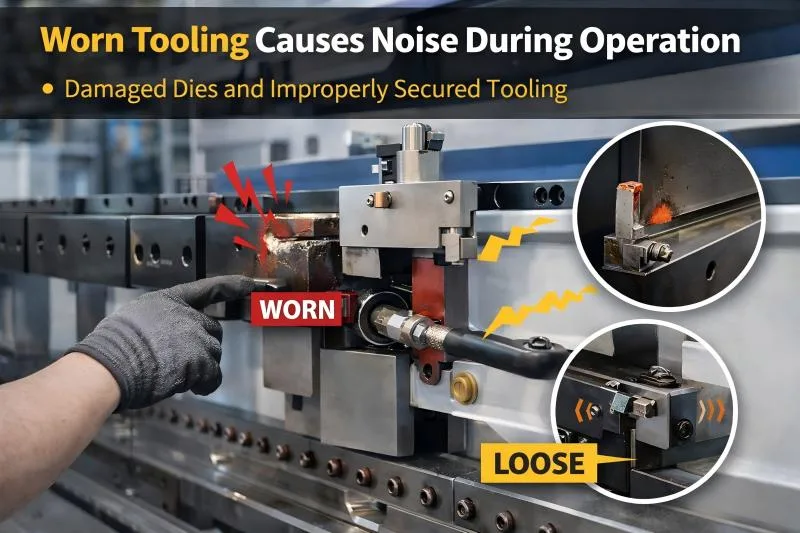
Tooling misalignment, worn dies, or improperly secured tools can also contribute to press brake noise. When the tooling doesn’t fit properly or is damaged, it may lead to unwanted vibrations and noises, affecting the quality of the bend and causing unnecessary wear on the machine.
How to Fix Press Brake Noise
Once you have identified the source of the noise, taking the necessary steps to resolve the issue can help restore the quiet and efficient operation of your press brake.
Tightening and Lubricating Components
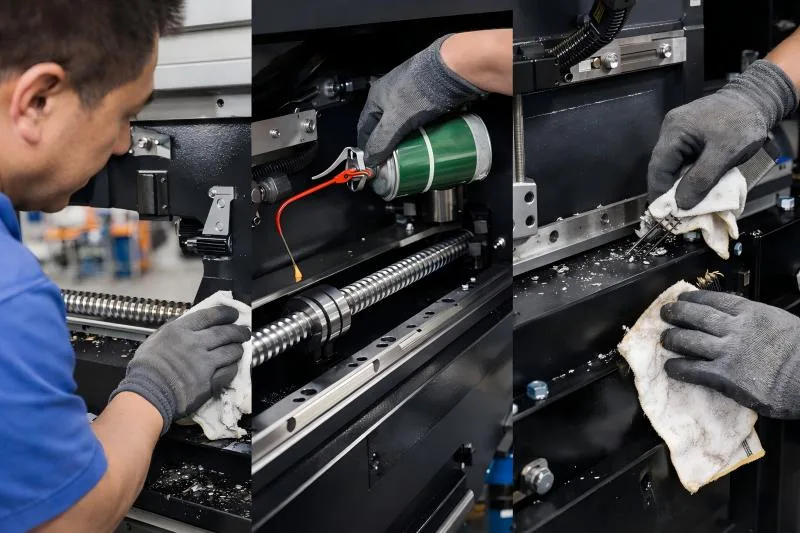
Regular maintenance, such as tightening loose components and lubricating moving parts, is essential in preventing noise caused by mechanical friction. Check the guide rails, ball screws, and ram for wear, and apply the appropriate lubricants to reduce friction and prevent further damage.
Maintaining Hydraulic Systems
To address hydraulic noise, ensure the hydraulic fluid is at the correct level and replace the fluid regularly. Bleeding the hydraulic system to remove air bubbles can help prevent airlock and improve efficiency. Also, inspect hydraulic seals and replace them if needed to prevent leakage and system instability.
Tooling Adjustments
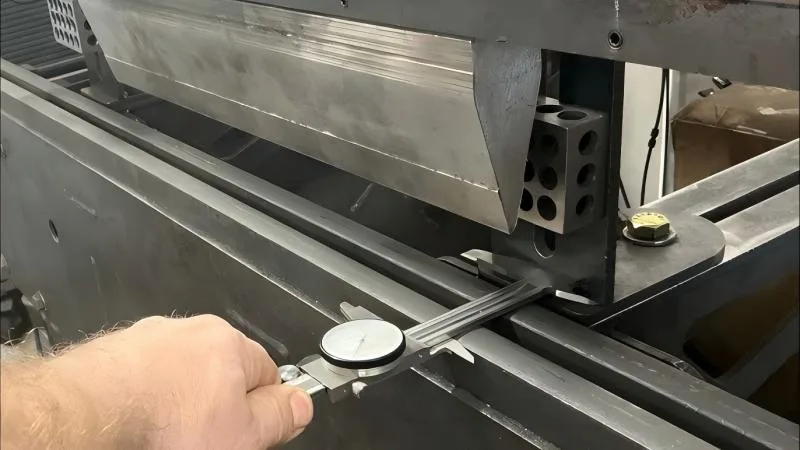
If the noise is coming from tooling, start by checking the alignment of the tools and dies. Make sure they are securely mounted and in good condition. Worn-out dies should be replaced, and regular cleaning of tooling surfaces will help maintain accuracy and reduce unwanted noise.
Preventive Maintenance to Avoid Future Noise
Preventive maintenance is the best way to keep your press brake running smoothly and minimize noise-related issues.
Regular Inspections
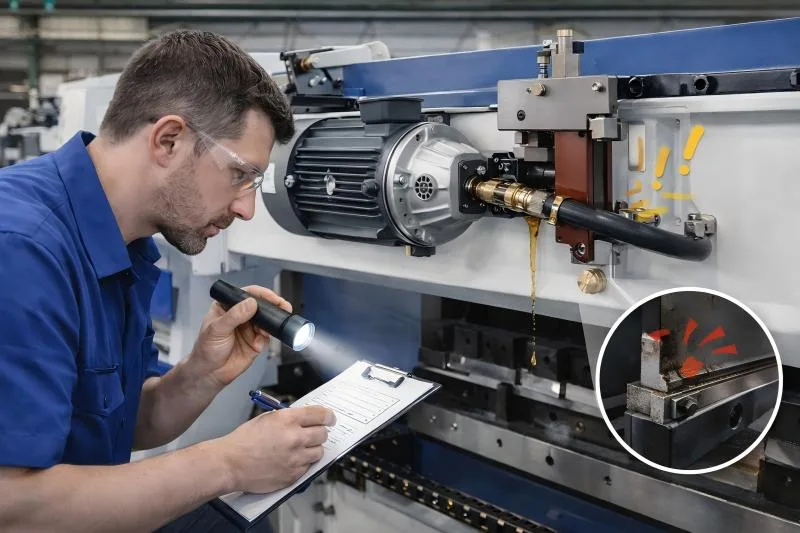
Schedule regular inspections to catch any potential issues early. Check the hydraulic system, mechanical components, and tooling for wear and tear. Look for signs of oil leaks, loose parts, or misaligned tooling.
Lubrication and Cleaning
Routine lubrication and cleaning are essential to maintaining the performance of your press brake. Clean out debris from the machine, lubricate moving parts, and ensure that all components are well-maintained to prevent excessive wear and noise.
Operator Training
Proper operator training can help prevent improper use that leads to noise. Ensure your operators are familiar with how to adjust the machine settings and perform basic maintenance tasks, such as lubricating components and checking for loose parts.
FAQs
Why is my press brake making a loud whining noise?
A whining noise could be a sign of a hydraulic issue, such as low fluid levels or air trapped in the system. Check the hydraulic fluid and bleed the system to remove any air.
How often should I lubricate my press brake to avoid noise?
Regular lubrication should be performed according to the manufacturer’s guidelines, typically every 500 hours of machine operation. This helps keep components running smoothly and reduces friction-related noise.
Can noise indicate a serious issue with my press brake?
Yes, persistent noise could be a sign of underlying mechanical or hydraulic issues. It’s essential to inspect the machine regularly and address any noises promptly to avoid further damage and potential downtime.
Conclusion
Press Brake Noise is a common issue that can stem from various causes, including worn components, hydraulic problems, and tooling issues. By identifying the source of the noise and performing regular maintenance, you can fix the problem and ensure your press brake operates quietly and efficiently. Preventive care, such as lubrication, tightening components, and checking hydraulic systems, is essential for minimizing noise and keeping your machine running smoothly.
If you’re experiencing persistent noise or need help with maintenance, don’t hesitate to contact our team for expert advice and support.


