


When operators encounter inconsistent bending angles, the first thing I usually check is whether a Press Brake Angle Compensation Failure is occurring. Angle compensation is critical for maintaining bending accuracy, especially when processing long workpieces or thicker metal sheets. If the system fails, the machine may produce different angles across the same part, leading to quality issues and production waste. In this guide, I’ll explain the most common causes of Press Brake Angle Compensation Failure and walk through practical troubleshooting steps that I use to diagnose and fix the issue efficiently.
Understanding How Press Brake Angle Compensation Works
Before fixing the problem, I always make sure the operator understands how the system functions. Press brake angle compensation, often referred to as crowning compensation, helps counteract the natural deflection of the machine frame during bending.
Why Angle Compensation Is Necessary in CNC Press Brakes
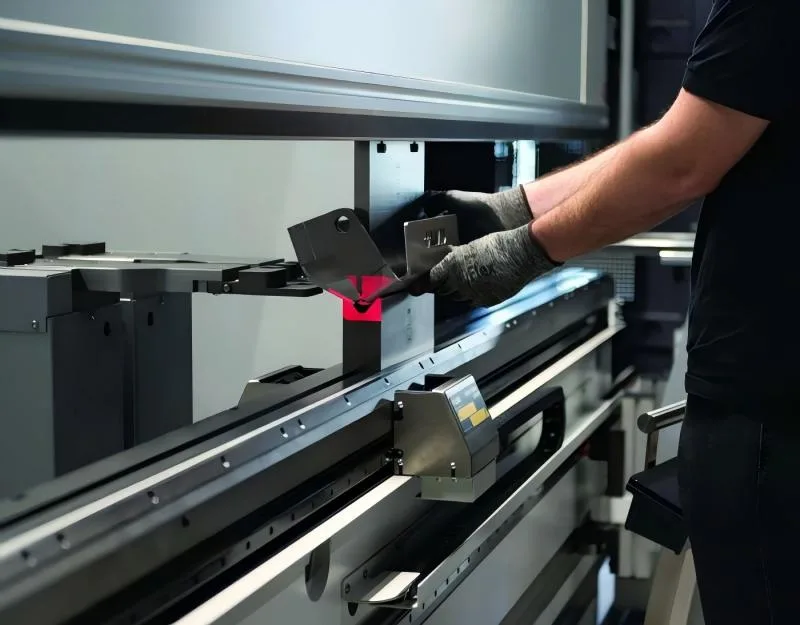
When a press brake bends metal, the center of the ram and bed tends to deflect slightly due to pressure. Without compensation, the bend angle in the middle of the workpiece will differ from the edges. The angle compensation system corrects this deflection to maintain uniform bending.
Modern CNC press brakes may use:
- Mechanical crowning systems
- Hydraulic crowning systems
- Automatic CNC-controlled compensation systems
If any component in these systems fails, Press Brake Angle Compensation Failure may occur, resulting in inconsistent bend angles.
Common Causes of Press Brake Angle Compensation Failure
When troubleshooting angle problems, I typically investigate several common sources.
Incorrect Crowning Parameter Settings
One of the most frequent causes is incorrect parameter settings in the CNC controller. If the crowning value does not match the material thickness, die opening, or bending force, the system cannot compensate properly.
To fix this issue, I usually:
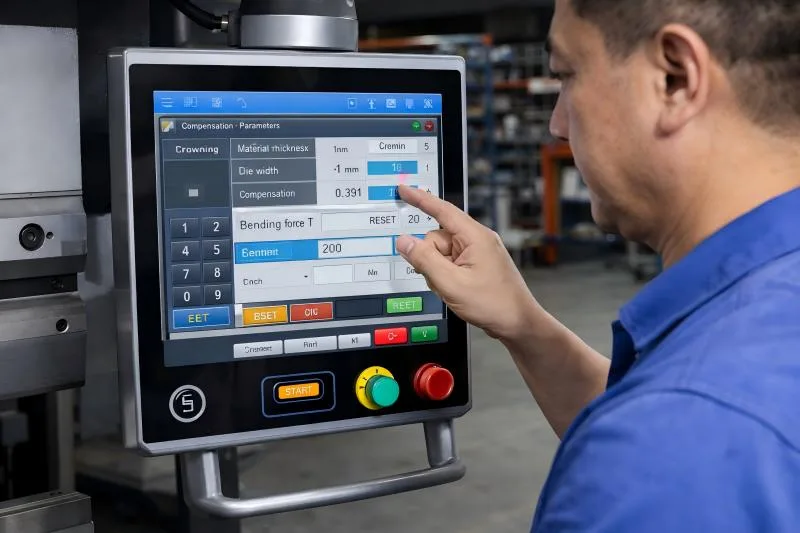
- Check the crowning parameter in the CNC controller
- Verify material thickness and die width input
- Adjust the compensation value according to the bending tonnage
Correct parameters often immediately resolve Press Brake Angle Compensation Failure.
Hydraulic Crowning System Malfunction
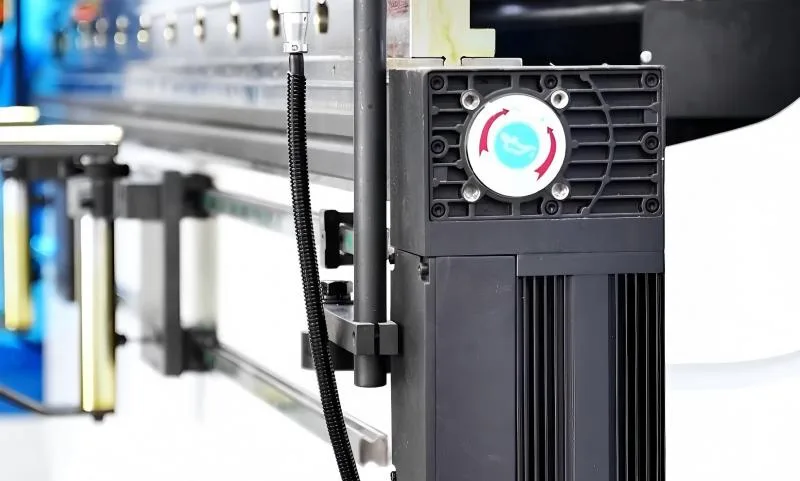
For press brakes equipped with hydraulic crowning systems, hydraulic pressure plays a key role. If the hydraulic system is not functioning correctly, compensation will fail.
Typical symptoms include:
- Uneven bending angles across the workpiece
- Slow or delayed compensation response
- Hydraulic pressure fluctuation
I usually inspect hydraulic valves, pressure sensors, and oil flow to ensure the crowning cylinders are working properly.
Mechanical Crowning Block Wear
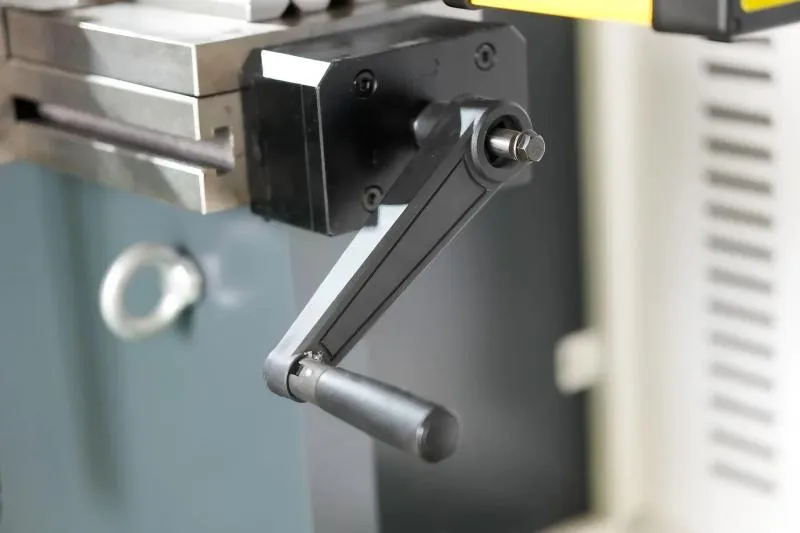
Mechanical crowning systems use adjustable wedges or blocks under the lower table. Over time, these components may wear or lose alignment.
When this happens, I check:
- Wedge block alignment
- Lubrication condition
- Mechanical adjustment accuracy
Cleaning and recalibrating the mechanical crowning unit often restores proper compensation.
Step-by-Step Troubleshooting for Press Brake Angle Compensation Failure
When diagnosing the issue in a workshop, I typically follow a structured approach.
Step 1: Verify Tooling and Workpiece Setup
Before blaming the machine, I first confirm that the tooling setup is correct.
I check the following:
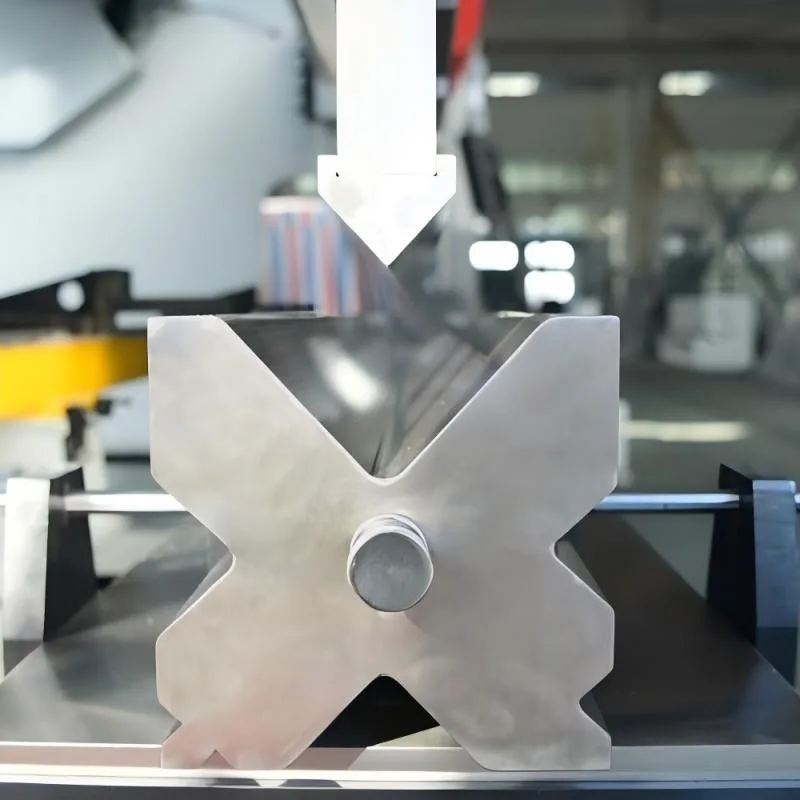
- Punch and die alignment
- Tool wear or damage
- Correct die opening for the material
Improper tooling can mimic Press Brake Angle Compensation Failure, even if the compensation system is functioning normally.
Step 2: Check CNC Controller Compensation Settings
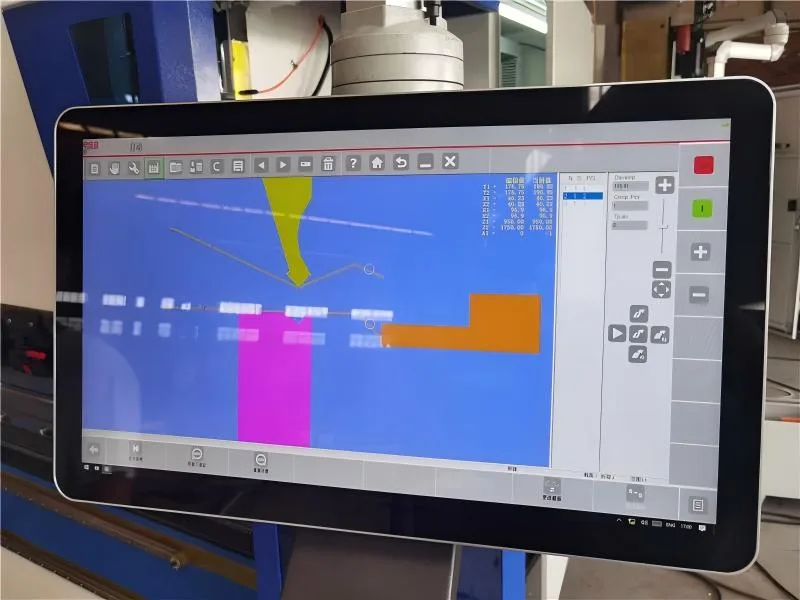
Next, I review the CNC controller settings.
Important parameters include:
- Crowning value
- Bending force calculation
- Material properties
- Sheet thickness input
Incorrect inputs can lead to inaccurate compensation calculations.
Step 3: Inspect Hydraulic or Mechanical Compensation System
Depending on the press brake design, I then inspect the compensation hardware.
For hydraulic systems I check:
- Oil pressure stability
- Hydraulic valves
- Compensation cylinder movement
For mechanical systems I verify:
- Wedge block movement
- Lubrication
- Mechanical calibration
These inspections usually reveal the root cause of Press Brake Angle Compensation Failure.
Step 4: Perform a Test Bend and Angle Measurement
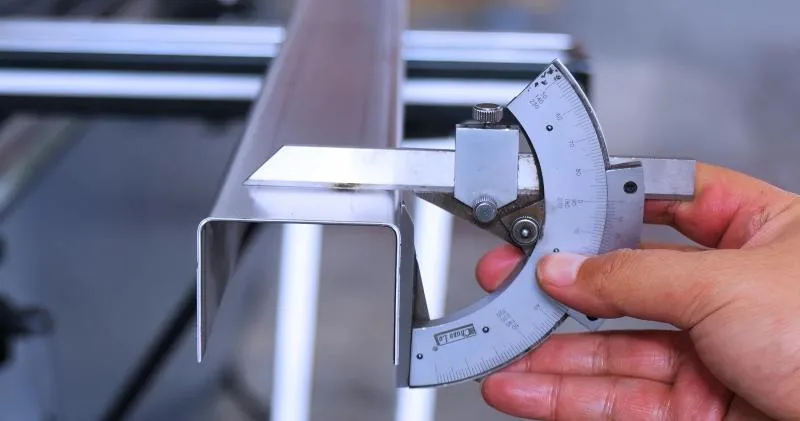
After adjustments, I always perform a test bend.
Using a digital angle gauge, I measure the bending angle at:
- The left side of the workpiece
- The center
- The right side
If the angles are consistent, the compensation system is working correctly.
Preventing Press Brake Angle Compensation Failure
From my experience, preventive maintenance significantly reduces the risk of compensation problems.
Regular Calibration of the Crowning System
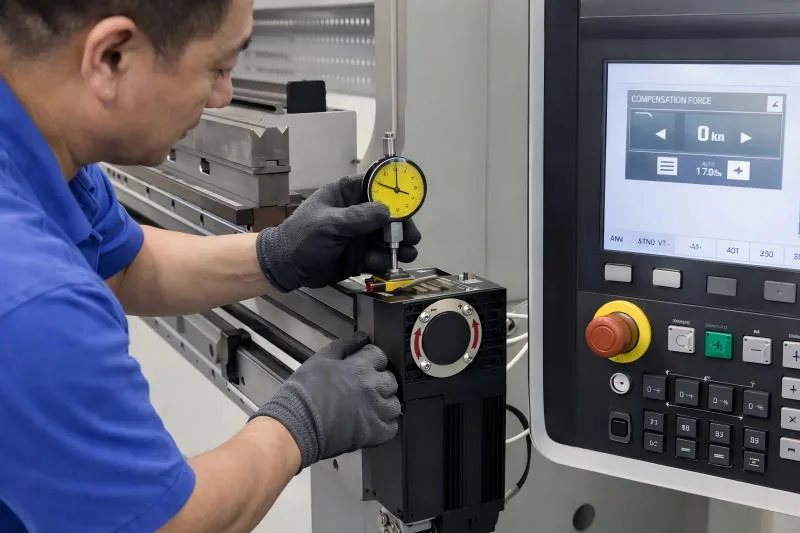
Periodic calibration ensures the compensation system operates accurately. I recommend verifying crowning parameters after major tooling changes or when switching materials.
Routine Inspection of Hydraulic Components
For hydraulic crowning systems, routine maintenance includes:
- Checking hydraulic oil quality
- Inspecting pressure stability
- Cleaning filters
These steps prevent performance degradation.
Proper Tooling Maintenance
Tooling condition directly affects bending accuracy. Keeping punches and dies clean and aligned reduces compensation errors and improves production consistency.
FAQs
What causes Press Brake Angle Compensation Failure most often?
The most common causes are incorrect CNC parameter settings, hydraulic crowning system malfunctions, or mechanical crowning block misalignment.
How can I quickly check if my press brake compensation system is working?
Perform a test bend and measure the angle at multiple points across the workpiece. If the center angle differs from the edges, compensation may not be functioning properly.
Can worn tooling cause Press Brake Angle Compensation Failure?
Yes. Worn or damaged punches and dies can create uneven bending angles, which may appear similar to compensation system failure.
How often should I calibrate the press brake crowning system?
Calibration is recommended whenever tooling changes, new materials are introduced, or bending accuracy issues appear.
Conclusion
Press Brake Angle Compensation Failure can significantly affect bending accuracy, production efficiency, and product quality. By understanding how the compensation system works and following a systematic troubleshooting process—checking tooling setup, CNC parameters, and compensation hardware—I can usually identify and fix the issue quickly.
Regular maintenance and proper machine calibration are the best ways to prevent this problem from happening in the first place. If you continue to experience bending accuracy issues or need expert assistance with your press brake system, I recommend contacting our technical team or exploring additional maintenance guides available on our website.


