


Press Brake Accuracy Dropped is a problem I often hear from operators who suddenly notice inconsistent bending results. If you’re experiencing unexpected deviations in angle, uneven bends, or repeated rework, you’re not alone. In this article, I’ll walk you through the most common reasons behind this issue and show you how to diagnose and fix it step by step, so you can quickly restore your machine’s precision and keep production running smoothly.
Understanding Why Press Brake Accuracy Dropped
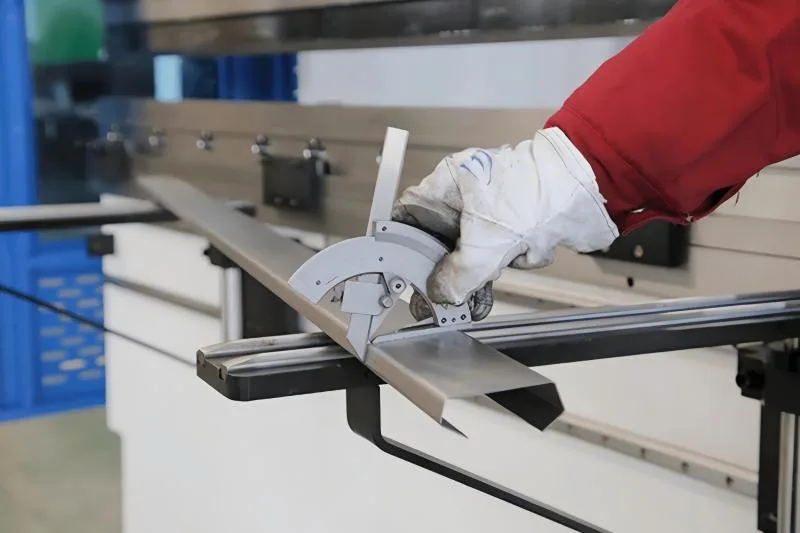
When press brake accuracy drops, it usually means something in the system—mechanical, hydraulic, or operational—has changed. The key is to identify whether the issue comes from tooling, machine calibration, material variation, or system wear.
Common Causes of Sudden Accuracy Loss
1. Tooling Wear or Damage
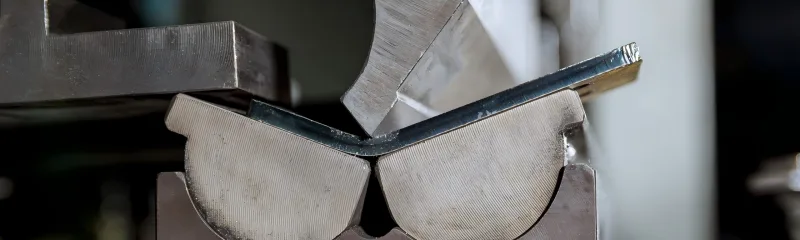
Over time, punches and dies wear out. Even slight rounding or chipping can affect bending angles. If your press brake accuracy dropped suddenly after long production cycles, worn tooling is often the first thing I check.
2. Backgauge Position Errors
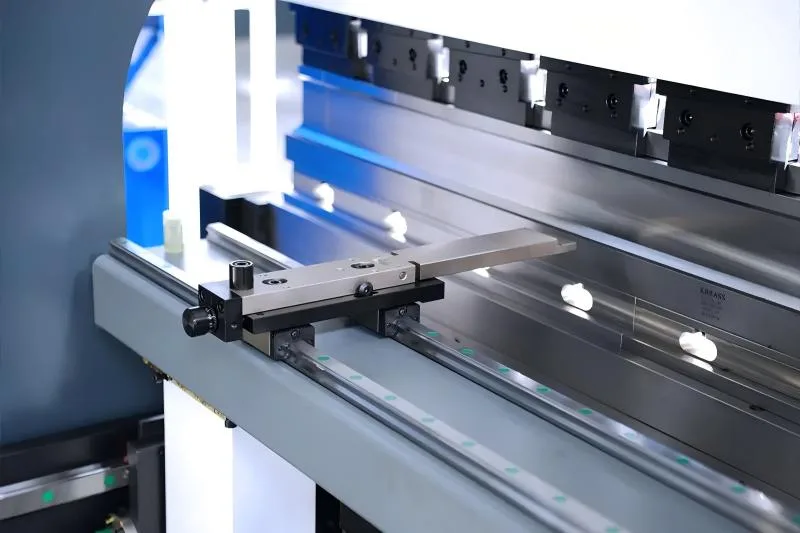
A misaligned or loose backgauge can lead to inconsistent positioning of the workpiece. This directly affects bending accuracy, especially in repeat jobs.
3. Hydraulic System Instability
Fluctuations in hydraulic pressure can cause uneven ram movement. This results in inconsistent bending force, which is a major reason why press brake accuracy dropped unexpectedly.
4. Machine Calibration Drift
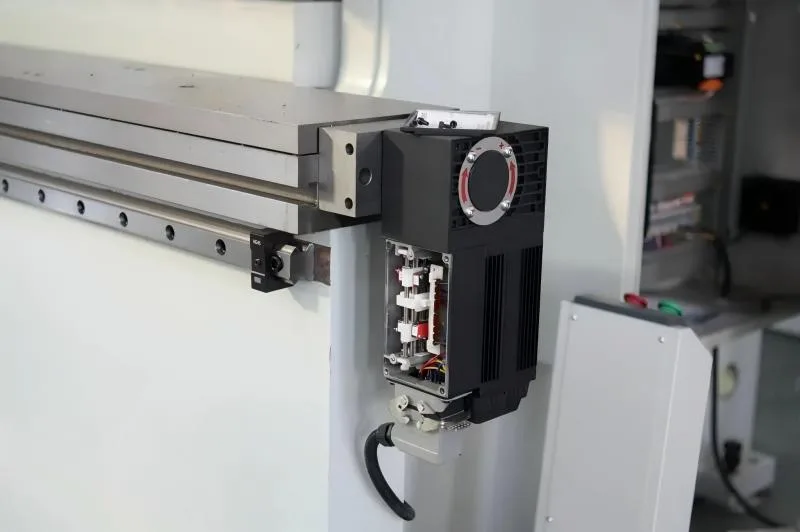
Over time, machine parameters may drift. CNC systems, crowning compensation, or axis synchronization (like Y1/Y2) may require recalibration to maintain precision.
5. Material Variations
Different batches of material can have variations in thickness, hardness, or grain direction. These changes can significantly impact bending results even if machine settings remain the same.
6. Frame or Mechanical Deformation
Heavy workloads or improper usage can cause slight deformation in the machine frame, affecting alignment and accuracy.
How to Diagnose Press Brake Accuracy Issues Step by Step
Step 1: Check the Tooling Condition
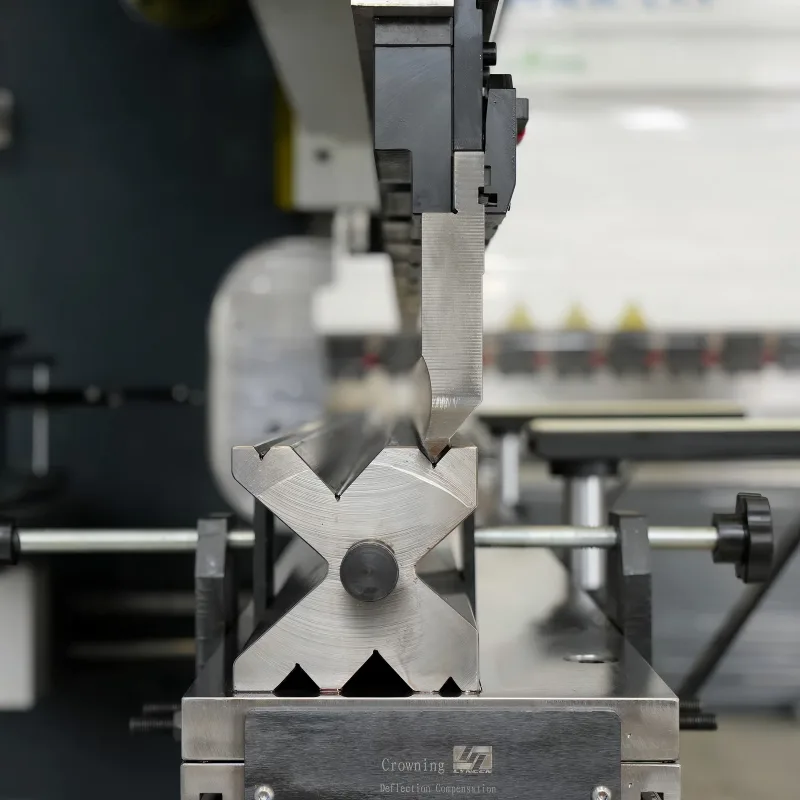
Start by inspecting your punch and die.
- Look for wear, cracks, or deformation
- Ensure tooling surfaces are clean
- Replace damaged tools immediately
This is the fastest way to eliminate a common cause when press brake accuracy dropped.
Step 2: Verify Backgauge Accuracy
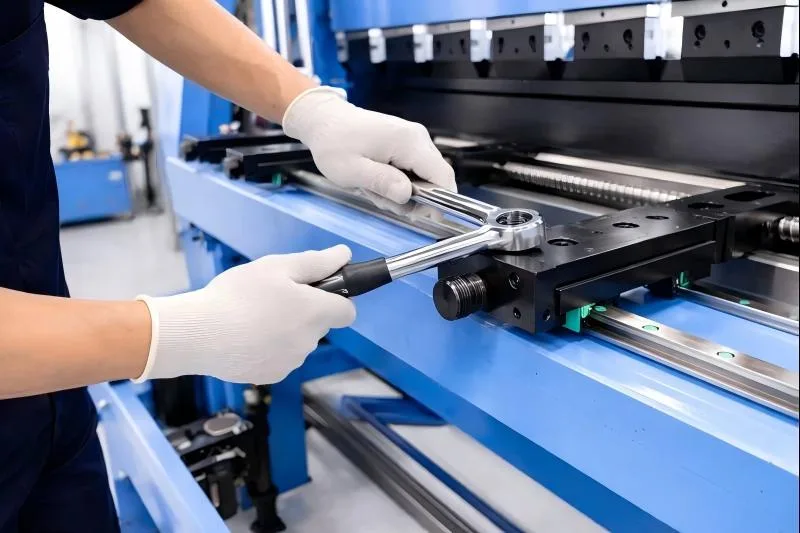
Check whether the backgauge is positioning correctly.
- Measure positioning accuracy using a ruler or gauge
- Inspect for loose screws or mechanical play
- Recalibrate if necessary
A stable backgauge ensures repeatable bending results.
Step 3: Inspect Hydraulic Pressure Stability
Next, evaluate the hydraulic system.
- Check oil levels and cleanliness
- Monitor pressure consistency during operation
- Inspect valves and seals for leaks
Stable pressure is critical for consistent ram movement.
Step 4: Recalibrate the Machine
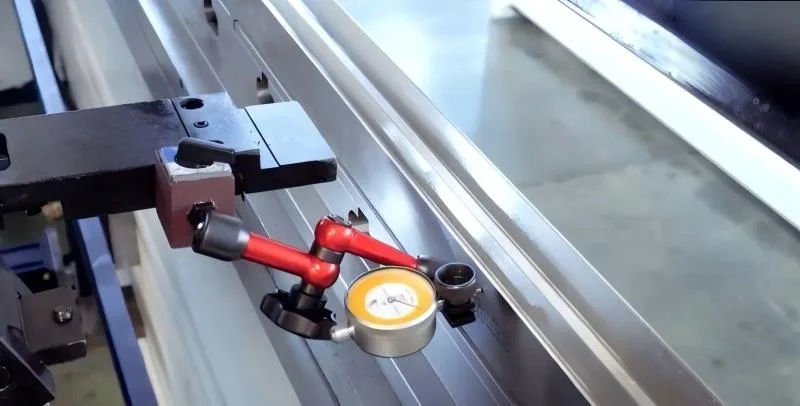
If the issue persists, recalibration is essential.
- Recheck Y-axis synchronization (Y1/Y2)
- Adjust crowning system settings
- Use test bends to fine-tune angle accuracy
Knowing how to calibrate a press brake properly can quickly resolve accuracy issues.
Step 5: Evaluate Material Consistency
Sometimes the issue is not the machine.
- Measure sheet thickness across multiple points
- Check material batch consistency
- Adjust bending parameters accordingly
Material variation is often overlooked but highly impactful.
Common Press Brake Maintenance Tips for Accuracy
Routine Inspections
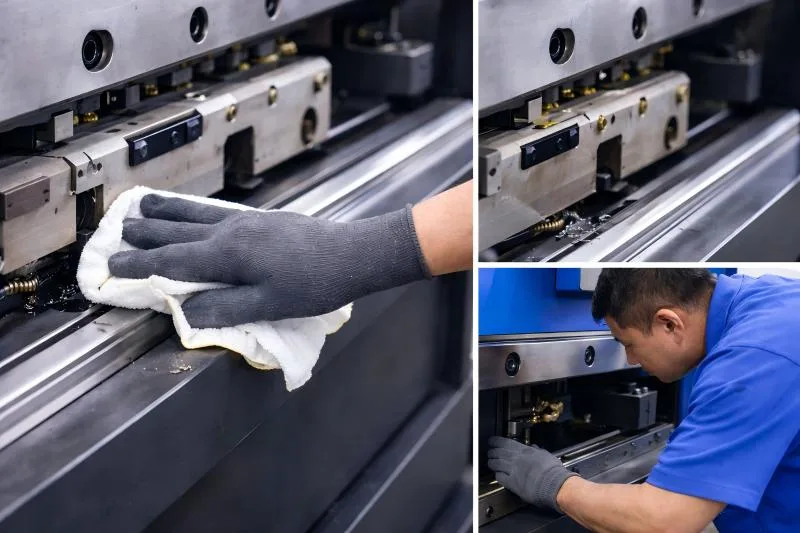
I always recommend daily checks of tooling, backgauge, and hydraulic systems to catch small issues early.
Lubrication and Cleaning
Keep moving parts lubricated and remove debris regularly to prevent mechanical wear and positioning errors.
Preventive Calibration
Schedule periodic calibration of your CNC system and axes to avoid sudden accuracy drops.
FAQs
Why has my Press Brake Accuracy Dropped suddenly without changing settings?
This usually happens due to tooling wear, hydraulic instability, or material variation. Even if settings remain unchanged, physical factors can affect bending results.
How can I quickly restore press brake accuracy?
Start by checking tooling condition, then verify backgauge accuracy and hydraulic pressure. If needed, recalibrate the machine and adjust for material differences.
How often should I calibrate my press brake?
I recommend performing a full calibration every 3–6 months, or immediately if you notice accuracy issues.
Conclusion
When press brake accuracy dropped, it’s rarely caused by a single factor. By systematically checking tooling, backgauge, hydraulic systems, and calibration, you can quickly identify the root cause and restore precision. Regular maintenance and proactive inspections are the best ways to prevent future issues and ensure stable production.
If you’re still facing challenges or need expert guidance, feel free to contact the HARSLE team. We’re here to help you achieve maximum accuracy and efficiency in your bending operations.


