


Press Brake Overload Prevention is a critical safety feature that ensures the machine operates safely and efficiently. It plays a crucial role in extending the lifespan of the machine, preventing breakdowns, and protecting operators from potential accidents. In this article, I’ll explain why overload prevention is essential for press brake machines and how it contributes to safer operations. Whether you’re an experienced operator or new to the field, understanding this feature will help you maintain a safe working environment and keep your press brake running at its best.
What Is Press Brake Overload Prevention?
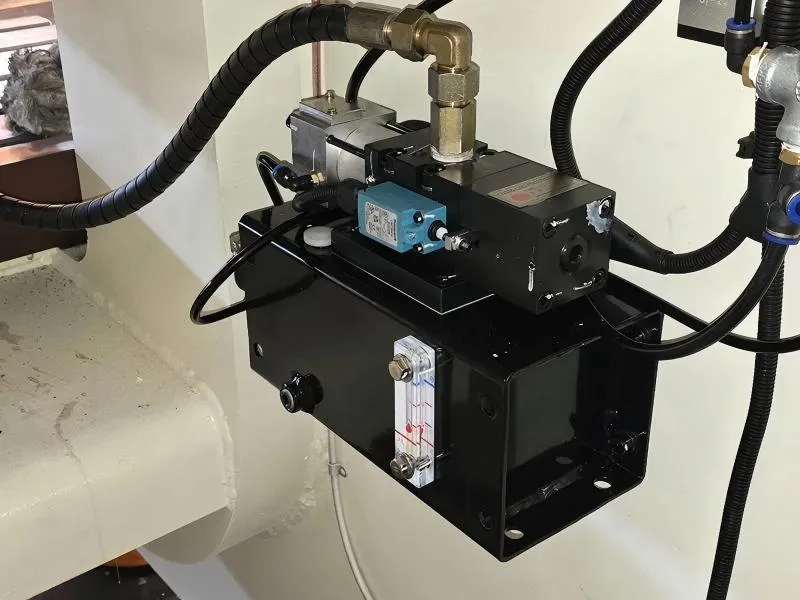
Press brake overload prevention is a safety feature designed to protect the machine from excessive forces that could damage its components. These systems are implemented to monitor the machine’s load during operation, ensuring that the pressure and forces applied do not exceed the machine’s safe operating capacity. Overloading can lead to severe damage to the press brake, requiring costly repairs and possibly causing unsafe working conditions. By preventing overloads, this feature ensures the longevity of the machine and keeps the operators safe.
How Does Press Brake Overload Prevention Work?
Monitoring the Hydraulic System
The hydraulic system in a press brake is one of the key areas where overload prevention is crucial. The overload prevention system monitors the pressure levels in the hydraulic circuit to ensure they remain within safe limits. If the pressure exceeds the predefined threshold, the system will trigger a warning or automatically shut down the machine, preventing any further damage.
Preventing Overloaded Bending
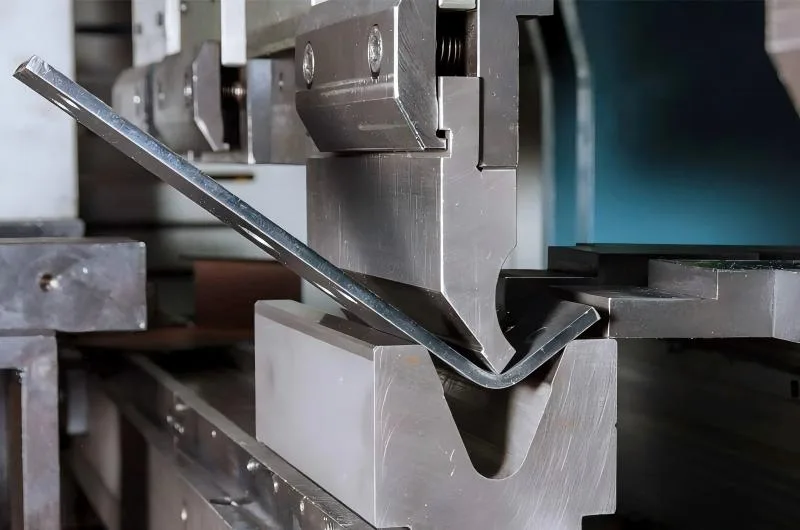
The bending process involves applying substantial force to bend metal sheets. If the machine applies too much force during the bending process, it can result in bending die damage or deformation of the workpieces. The overload prevention system ensures that the machine’s force is properly calibrated and that the required pressure for each task is applied, preventing unnecessary damage to the tooling and material.
Safeguarding the Operator
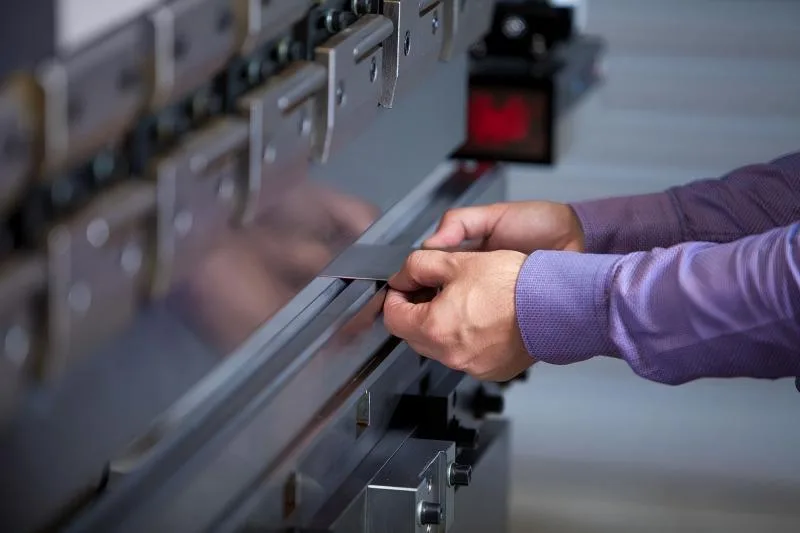
An essential aspect of overload prevention is protecting the operator. If a press brake operates beyond its intended capacity, the risk of sudden machine malfunctions increases, which can be hazardous to workers. The overload prevention system ensures that the press brake remains within its limits, minimizing the risk of unexpected failures that could harm the operator.
The Importance of Regular Maintenance for Overload Prevention
Routine Inspections
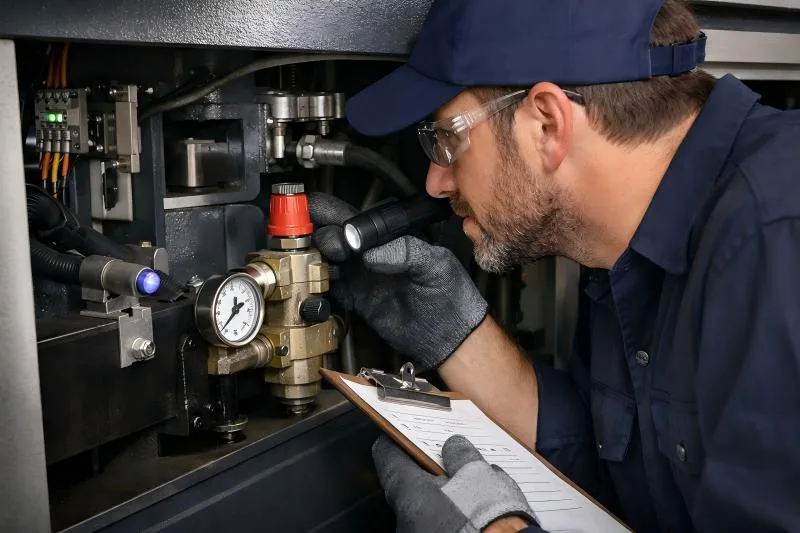
To ensure that the overload prevention system works correctly, it’s essential to perform routine inspections. Regular checks can identify any signs of wear or damage to the system components, such as sensors or pressure relief valves. This will help ensure that the system operates as intended, providing effective overload protection.
System Calibration
Over time, the overload prevention system may need recalibration to ensure it continues to function accurately. The pressure limits and safety parameters should be checked and adjusted periodically to maintain optimal machine performance.
Common Overload Prevention Issues and How to Address Them
Pressure Sensor Failures
One of the most common issues with overload prevention systems is pressure sensor failure. If a sensor malfunctions, it may not detect an overload condition, leading to potential damage. It is essential to regularly check and replace sensors as part of routine maintenance.
Hydraulic Leaks
Leaks in the hydraulic system can affect the accuracy of pressure readings and reduce the effectiveness of the overload prevention system. Addressing hydraulic leaks promptly is crucial for maintaining both the safety and efficiency of the press brake.
FAQs
What should I do if my press brake overload prevention system triggers an alarm?
If the alarm goes off, immediately stop the operation and check for any signs of overloading. Inspect the hydraulic pressure, tooling setup, and material to identify the cause. If the issue persists, contact a technician for further inspection.
How can I prevent overloads from happening?
Ensure that the press brake is properly calibrated and that the workpieces are within the machine’s specifications. Regular maintenance and routine inspections of the overload prevention system will also help prevent overloads.
Conclusion
Incorporating press brake overload prevention is essential for ensuring the machine’s safety and reliability. Regular maintenance and monitoring of the overload protection system not only improve the longevity of the press brake but also enhance the overall safety of the workplace. For more information on press brake maintenance or assistance with troubleshooting, don’t hesitate to contact our team for expert support.


