


Press Brake Tooling Alignment is critical for achieving precise bends and ensuring accurate performance. Misalignment of the tooling can lead to inconsistent results and damaged workpieces, affecting overall productivity. If you’re experiencing tooling alignment errors, this article is here to help. I’ll walk you through the common causes of these issues and provide clear, step-by-step instructions on how to correct them. By following these practical solutions, you can fix alignment errors, optimize your press brake’s functionality, and maintain the precision of your bending operations. Proper alignment will not only improve your machine’s performance but also extend its lifespan, ensuring consistent quality in your production process.
Understanding Press Brake Tooling Alignment Errors
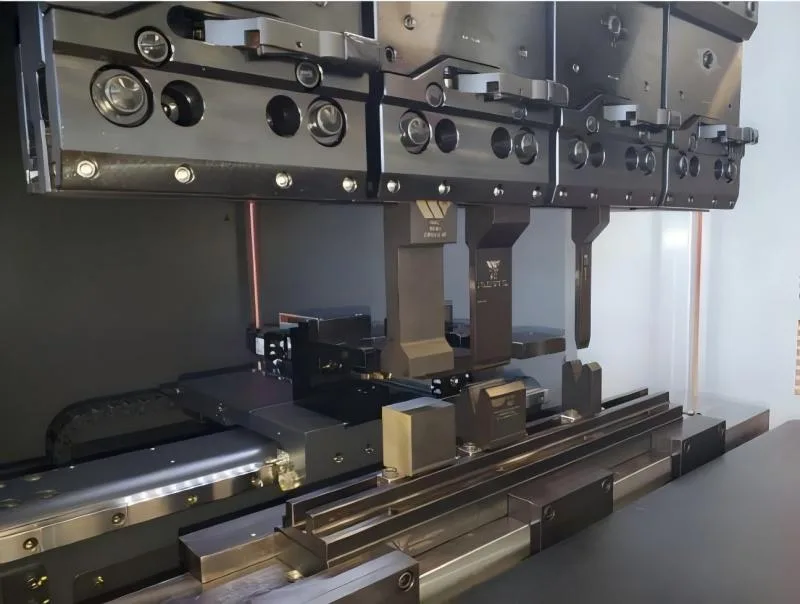
Press brake tooling alignment errors typically occur when the punch and die are not properly aligned with the ram or bed, leading to inaccurate bends, inconsistent material shapes, or damage to the workpieces. Proper alignment is essential to maintaining the overall quality and precision of the bending process. In this section, we will discuss the common causes of these errors and the steps you can take to fix them.
Common Causes of Press Brake Tooling Alignment Errors
1. Tooling Wear and Tear
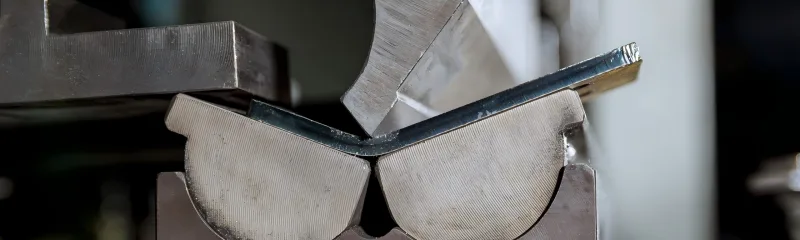
Over time, tools can become worn or damaged, causing misalignment. This can occur due to the normal wear from frequent use, as well as factors such as incorrect handling, excessive pressure, or improper maintenance. Regularly inspecting and replacing tooling parts can prevent these issues from affecting the machine’s performance.
2. Improper Tool Installation
Incorrect installation of the punch and die can lead to alignment errors. If the tools are not seated properly or are installed at the wrong angles, they may not align correctly with the ram and bed, resulting in inaccurate bending. Always ensure that tooling is installed according to the manufacturer’s instructions.
3. Machine Frame Deformation
The press brake’s frame may experience deformation over time due to overloading, misuse, or poor maintenance. A deformed frame can cause misalignment of the tooling and affect the overall bending accuracy. Regular checks on the machine frame can help detect any issues early and prevent misalignment.
4. Hydraulic System Issues
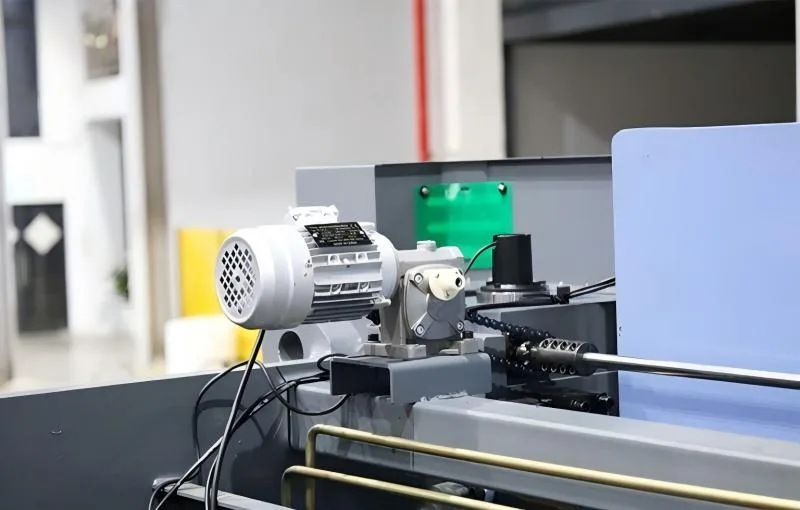
A malfunctioning hydraulic system can also contribute to tooling alignment problems. If there is a fluctuation in hydraulic pressure or the system is not properly maintained, the ram may not move accurately, which can cause alignment errors with the tooling.
Steps to Correct Press Brake Tooling Alignment Errors
Step 1: Inspect the Tooling
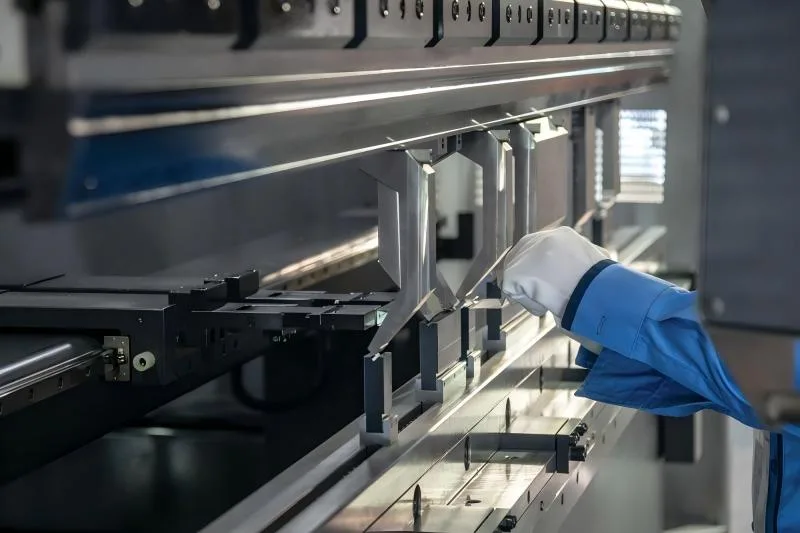
Start by inspecting the punch and die for wear or damage. Look for any signs of excessive wear, cracks, or chips. Replace any damaged parts to ensure proper tooling alignment. Also, check that the tools are clean and free from debris, as dirt can also affect the alignment.
Step 2: Check the Installation
Ensure that the tooling is installed correctly. Verify that both the punch and die are properly seated in their holders and that they are aligned according to the manufacturer’s specifications. Use precision tools, such as dial indicators, to check for any misalignment.
Step 3: Adjust the Machine Frame
If the frame has been deformed or misaligned, it may be necessary to realign the machine. This can involve adjusting the backgauge or bed alignment. In some cases, professional maintenance may be required to fix any frame deformation.
Step 4: Calibrate the Hydraulic System
Ensure that the hydraulic system is functioning properly by checking the pressure and fluid levels. If needed, recalibrate the system to ensure it is providing consistent pressure, which is vital for accurate ram positioning and tooling alignment.
Step 5: Perform Routine Maintenance
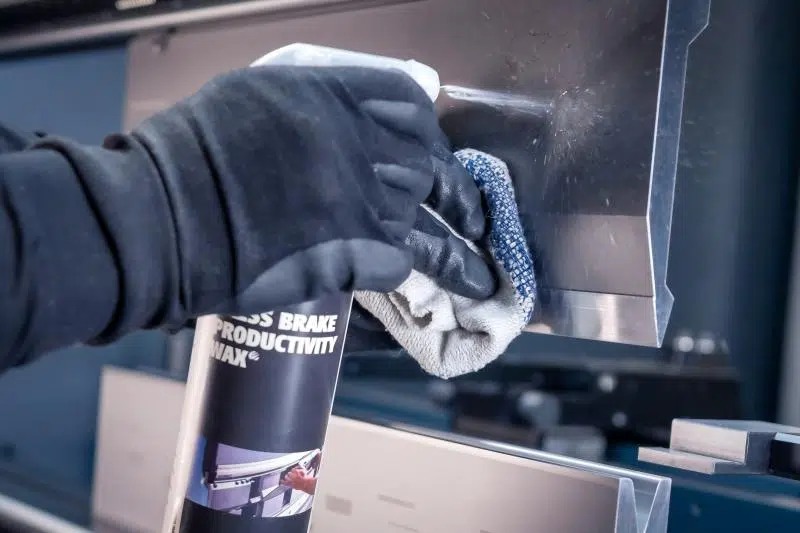
To avoid future tooling alignment errors, it’s important to perform regular maintenance on your press brake. This includes cleaning, lubrication, and checking for any wear on the tooling or machine components. Regular maintenance will help ensure the long-term performance and accuracy of your machine.
FAQs
How can I prevent tooling alignment errors in the future?
Regularly inspect and maintain your tooling and machine components. Ensure that the tools are properly installed and that the machine is calibrated correctly. Performing routine checks will help prevent alignment errors from occurring.
Can tooling misalignment affect my production efficiency?
Yes, tooling misalignment can lead to poor bend accuracy, inconsistent results, and potentially wasted materials, which can significantly affect your production efficiency. It’s essential to address alignment errors promptly to avoid these issues.
How often should I check my press brake’s tooling alignment?
Tooling alignment should be checked regularly as part of your maintenance routine, especially if you notice any inconsistencies in your bends or if the tooling has been used for an extended period.
Conclusion
Proper tooling alignment is key to achieving consistent, precise results when using a press brake. By following the steps outlined in this guide, you can correct tooling alignment errors and ensure that your machine operates with maximum accuracy. Regular inspection, maintenance, and calibration are essential for maintaining the longevity and performance of your press brake. For further assistance or questions, feel free to contact our team for expert support.


