


If you have noticed a sharp increase in your press brake hydraulic pump noise, you are likely concerned about potential downtime or mechanical failure. As a member of the HARSLE technical team, I understand how frustrating it is when a smooth-running machine suddenly starts sounding like a gravel mixer. This noise is rarely just an annoyance; it is usually a distress signal from your hydraulic system. In this guide, I will walk you through the primary causes of increased noise levels and provide actionable steps to diagnose and resolve these issues, ensuring your press brake returns to its peak performance and precision.
Understanding the Root Causes of Hydraulic Noise
Identifying why your machine is getting louder is the first step toward a fix. Most noise issues stem from how the fluid interacts with the pump components or the presence of contaminants within the lines.
Air Aeration in the System
Aeration occurs when outside air enters the hydraulic fluid. This often happens due to a leak in the suction line or a low oil level in the reservoir. When air bubbles are compressed and released within the pump, they create a high-pitched banging or knocking sound. If left unaddressed, aeration will degrade the oil and cause erratic ram movement.
Pump Cavitation Issues
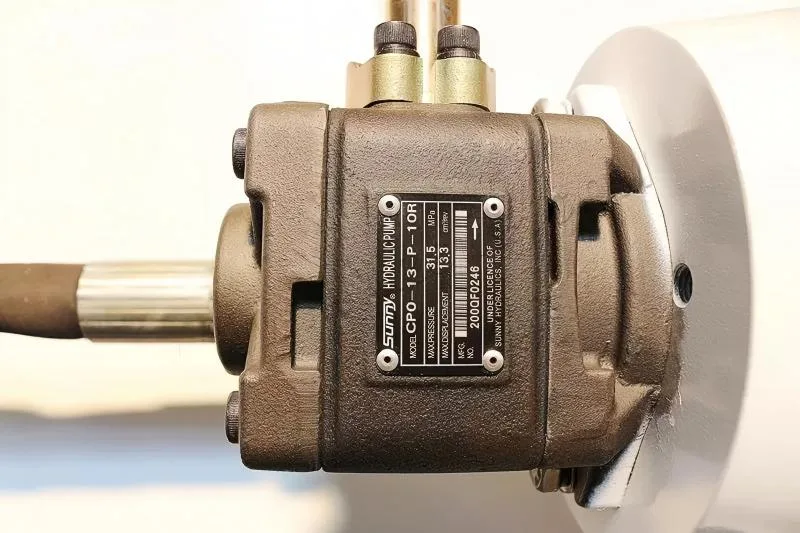
Cavitation is often confused with aeration, but the cause is different. It happens when the pump cannot get enough oil, creating a vacuum that forms vapor bubbles. When these bubbles collapse, they create a distinct “marbles in a jar” sound. This is usually caused by a clogged suction strainer or using hydraulic oil with a viscosity that is too high for your current operating temperature.
Mechanical Wear and Misalignment
As machines age, the coupling between the electric motor and the hydraulic pump can wear out or fall out of alignment. If you hear a consistent metallic grinding or heavy vibration, it might be the bearings or the internal vanes of the pump reaching the end of their lifespan.
Step-by-Step Troubleshooting for Press Brake Hydraulic Pump Noise
To effectively lower your press brake hydraulic pump noise, follow these diagnostic steps in order.
Step 1: Check the Hydraulic Oil Level and Quality
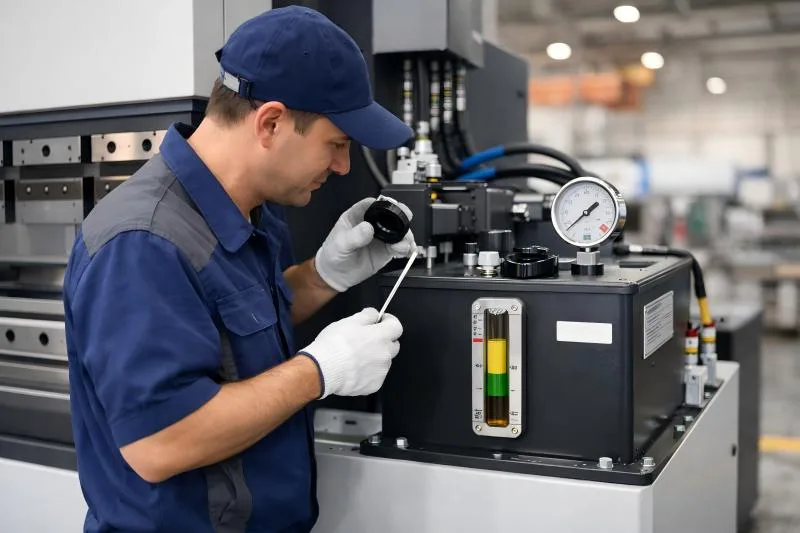
Before dismantling any hardware, look at your oil sight glass. If the oil level is low, the pump may be sucking in air. Additionally, look for “foamy” or cloudy oil, which is a clear sign of aeration. Ensure you are using the correct grade of hydraulic oil as specified in your HARSLE manual—typically an anti-wear (AW) 46 or 68, depending on your environment.
Step 2: Inspect the Suction Line and Filters
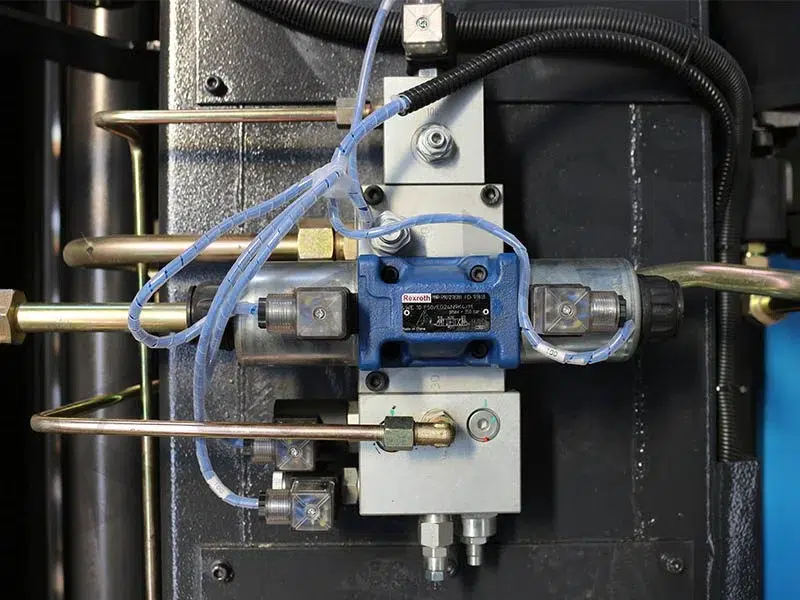
A restricted intake is the leading cause of cavitation. Check the suction strainer inside the tank; if it is covered in sludge or debris, the pump will struggle to draw oil. Tighten all clamps and fittings on the intake hose to ensure no air is being pulled into the system. Even a microscopic hole in the hose can lead to significant noise.
Step 3: Examine the Motor-Pump Coupling
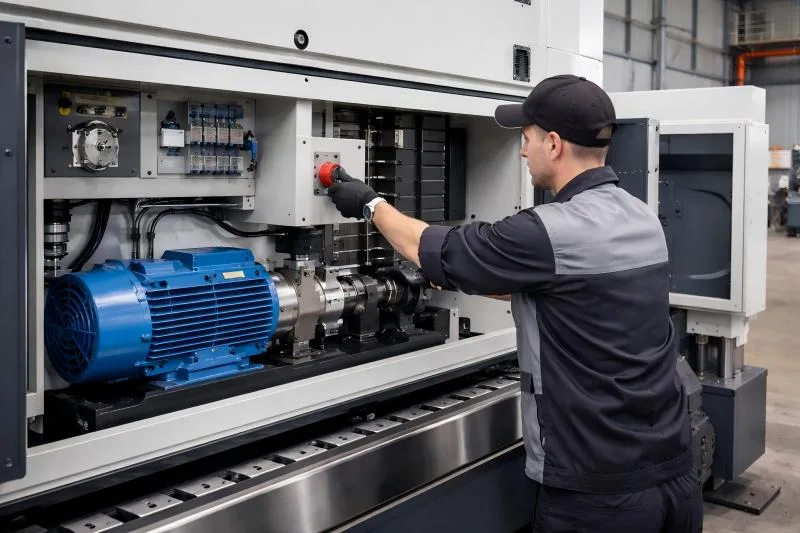
Turn off the power and check the alignment between the motor and the pump. If the flexible insert (often called a spider) is damaged or worn, it will cause a rhythmic vibration and noise. Replacing a $20 coupling insert early can save you from replacing a $2,000 pump later.
Step 4: Bleed Air from the Hydraulic Circuit
Sometimes, after a filter change or a long period of inactivity, air becomes trapped in the valves or cylinders. You can often “bleed” the system by cycling the ram through its full stroke several times at low pressure. This encourages the air to travel back to the reservoir where it can escape.
Essential Maintenance Tips for a Quiet System
Preventing press brake hydraulic pump noise is much easier than fixing a damaged pump. Consistent care is the secret to a long-lasting machine.
Regular Oil Analysis
Don’t wait for the oil to turn black to change it. I recommend performing an oil analysis or a full oil change every 2,000 to 3,000 working hours. Clean oil reduces friction and prevents the buildup of varnish that can clog sensitive valves.
Tightening and Leak Detection
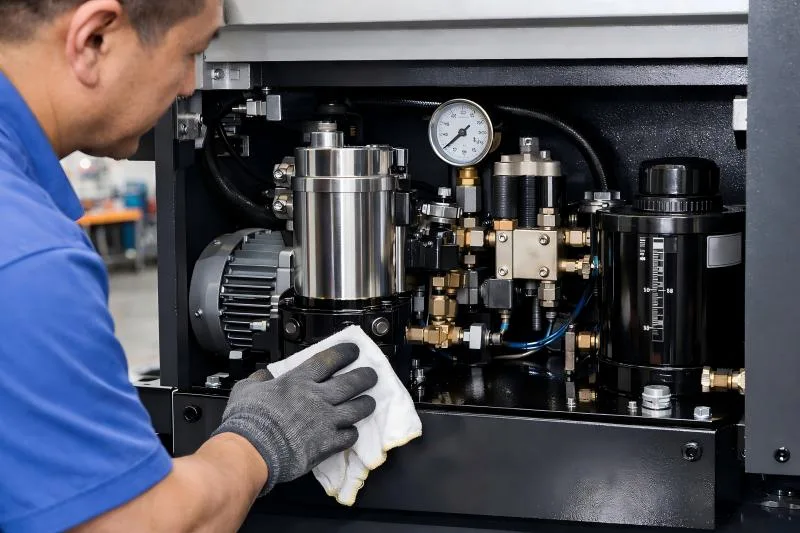
Hydraulic machines vibrate by nature. Over time, these vibrations loosen bolts and hydraulic fittings. Once a month, perform a “walk-around” inspection. Wipe down the pump area and check for fresh oil spots, which could indicate a point where air might enter or oil might leak.
FAQs
Can I continue operating my machine if the pump is noisy?
A: I strongly advise against it. Increased noise usually indicates cavitation or aeration, both of which generate intense heat and can destroy the internal surfaces of your pump within hours, leading to much more expensive repairs.
Why does my press brake make more noise in the winter?
A: Cold weather increases the viscosity of the hydraulic oil, making it thicker and harder for the pump to pull from the tank. This often leads to temporary cavitation. We suggest allowing the machine to idle for 10-15 minutes to warm the oil before starting heavy bending operations.
How do I know if the noise is coming from the pump or the motor?
A simple trick is to use a mechanic’s stethoscope (or a long screwdriver held to your ear) to touch the motor housing and then the pump housing. The vibration and sound will be significantly sharper and louder at the source of the mechanical issue.
Conclusion
Sudden press brake hydraulic pump noise is a clear signal that your machine requires immediate attention. By systematically checking for air leaks, ensuring your filters are clean, and maintaining proper oil levels, you can resolve most noise issues before they lead to a complete system failure. Remember, a quiet hydraulic system is a healthy, efficient, and precise system.
If you have followed these steps and the noise persists, it may be time for a professional internal inspection or a pump replacement. For more technical support, specific part diagrams, or to discuss our latest low-noise servo-hydraulic models, please feel free to contact the HARSLE technical department. We are here to keep your production running smoothly.


