


Safety Rules in Press Brake Operations are essential for ensuring both the operator’s safety and the machine’s longevity. Press brakes are indispensable tools in sheet metal fabrication, but without proper safety protocols, they can pose significant risks. To minimize accidents and maintain smooth operation, it’s critical to follow key safety guidelines. In this article, we will cover the most important safety rules for press brake operators, including the use of safety guards, proper training, regular maintenance, and the importance of personal protective equipment (PPE). Adhering to these safety standards helps create a safe work environment and ensures the efficient and safe functioning of your press brake machine.
Key Safety Rules in Press Brake Operations
Understanding the Press Brake’s Safety Features
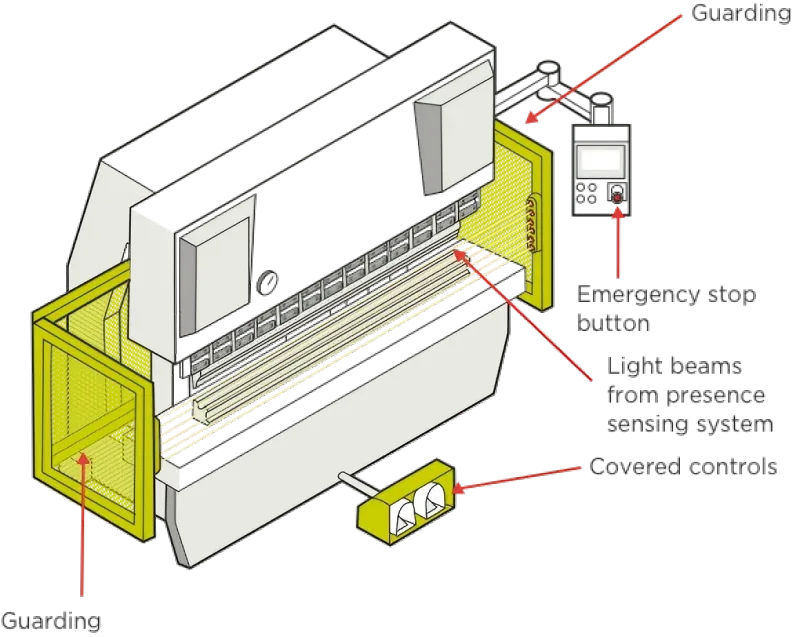
Emergency Stop and Safety Guards
The first safety rule in press brake operations is to familiarize yourself with the emergency stop button and ensure that all safety guards are in place before starting the machine. These features protect the operator from unexpected hazards and allow for quick shutdown in case of emergencies.
Operator Training and Awareness
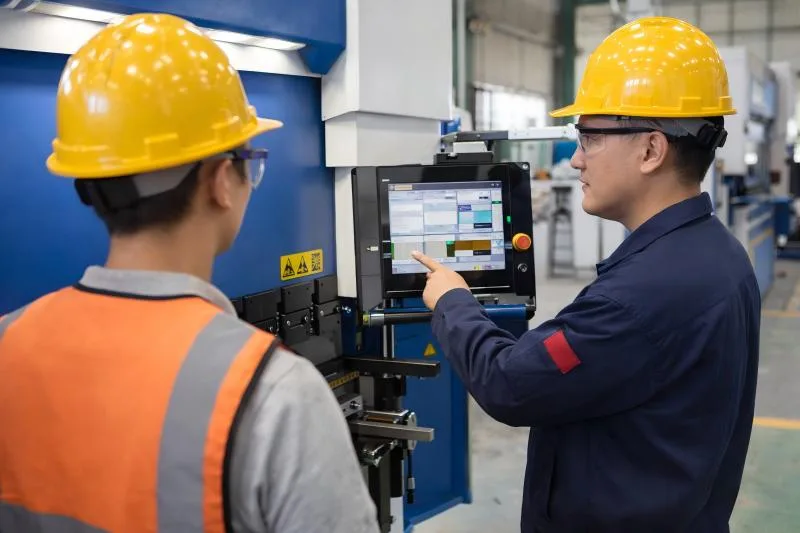
Ensuring Proper Training for Safe Operation
A critical safety rule is ensuring that all operators receive proper training. Training should cover machine controls, handling the material, recognizing hazards, and performing regular maintenance checks. Operators should also be taught to recognize warning signs such as unusual sounds or vibrations.
Use of Personal Protective Equipment (PPE)
Essential Safety Gear for Operators
Operators should always wear the appropriate PPE, including safety glasses, gloves, hearing protection, and steel-toed boots. This helps reduce the risk of injury from metal shavings, sudden machine movements, or heavy parts.
Maintaining a Clean and Organized Work Area
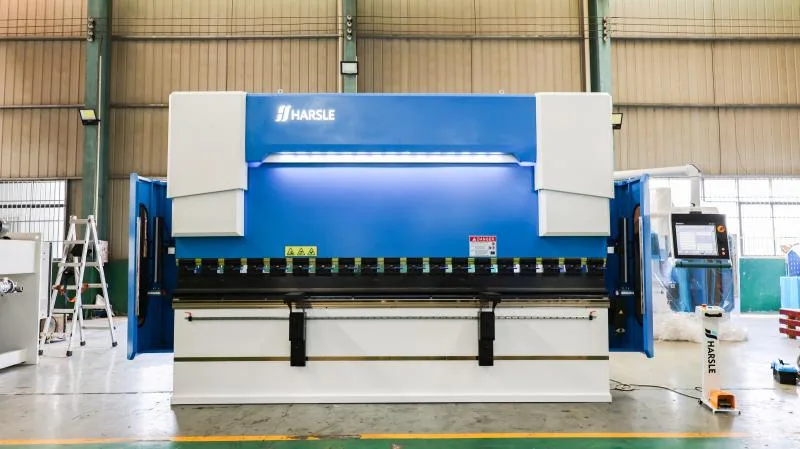
Minimizing Risks through Organization
A clean and organized work area is key to press brake safety. Clear the area of any unnecessary tools, debris, or other obstacles that could cause tripping or accidents. Ensure that the machine’s controls are easily accessible and that no one is obstructed while operating the machine.
Regular Machine Maintenance and Inspections
Preventive Maintenance for Safety and Efficiency
Routine maintenance and inspection are essential to keeping the press brake in safe working condition. Regularly check the machine’s hydraulic system, safety features, tooling, and other components for signs of wear and tear. Make sure the system is calibrated properly to avoid errors during operation.
FAQs
What are the main safety hazards associated with press brake operations?
The primary safety hazards include moving parts, improper handling of materials, failure to use safety guards, and faulty hydraulic systems. Always ensure the proper use of safety equipment and follow operational protocols.
How often should I perform maintenance on my press brake?
Routine maintenance should be performed every 500 hours of operation. Regular checks on critical components such as the hydraulic system, safety guards, and tooling can prevent accidents and prolong the machine’s lifespan.
Is operator training necessary for press brake safety?
Yes, operator training is crucial. Well-trained operators are less likely to make mistakes and can react swiftly in case of emergencies. Training should include safe operation techniques, how to spot potential hazards, and what to do in emergency situations.
Conclusion
Adhering to safety rules is paramount for the safe and efficient operation of a press brake. By following these essential guidelines—such as ensuring proper operator training, using personal protective equipment, maintaining the work area, and performing routine maintenance—you can minimize risks and maintain the safety of both operators and equipment. For more detailed support or to inquire about safety-related concerns, don’t hesitate to reach out to our team for guidance. Let’s keep your operations safe and efficient!
By understanding and following these key safety rules, you can ensure the safe operation of your press brake machine while optimizing its performance and longevity.


