


Press Brake Ram Position Offset is a common issue that operators often encounter. If you’re curious about why this happens and how it impacts your machine’s performance, you’ve come to the right place. In this article, I’ll dive into the causes behind a press brake ram position offset and offer practical solutions to resolve it, ensuring your press brake delivers optimal precision.
Understanding Press Brake Ram Position Offset
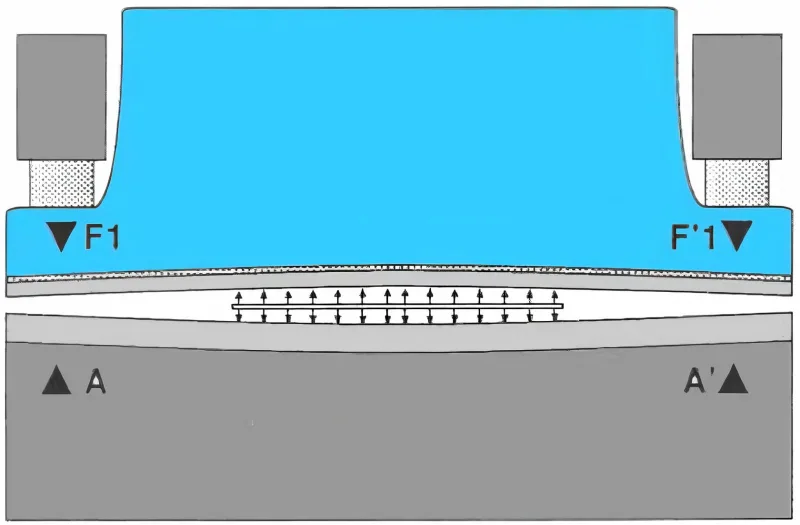
A press brake ram position offset occurs when the ram does not align properly with the intended position during operation. This can cause issues with accuracy, leading to faulty bends or part misalignment. Understanding why this offset happens and how to resolve it can help you maintain consistent and high-quality results in your metal forming operations.
Common Causes of Press Brake Ram Position Offset
1. Improper Calibration
One of the most frequent causes of ram position offset is improper calibration. Over time, the calibration of the machine can shift, causing the ram to be out of alignment. This can happen due to wear and tear, vibration, or simply a lack of regular maintenance.
2. Tooling Misalignment
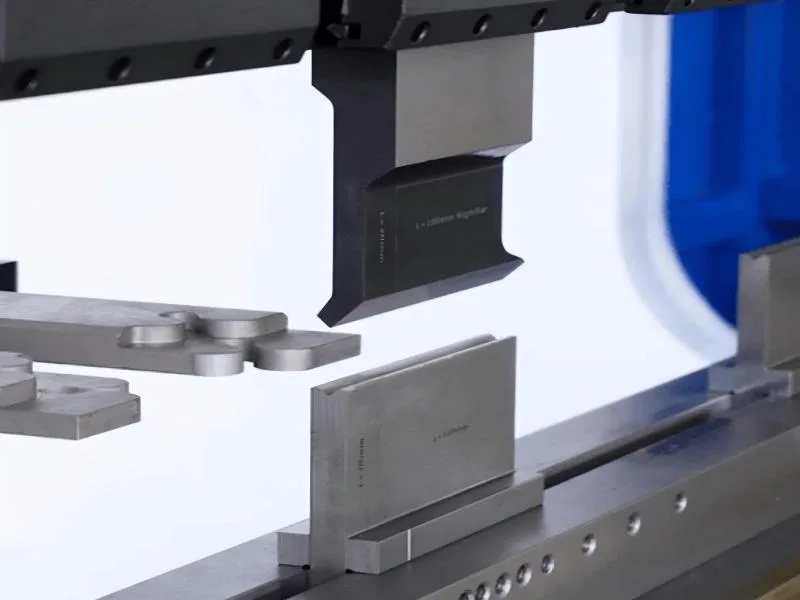
The alignment of the tooling can also play a critical role in the ram’s position. If the tools are not correctly installed or if they have become worn, the ram might not align properly with the material, resulting in an offset.
3. Hydraulic Pressure Fluctuations
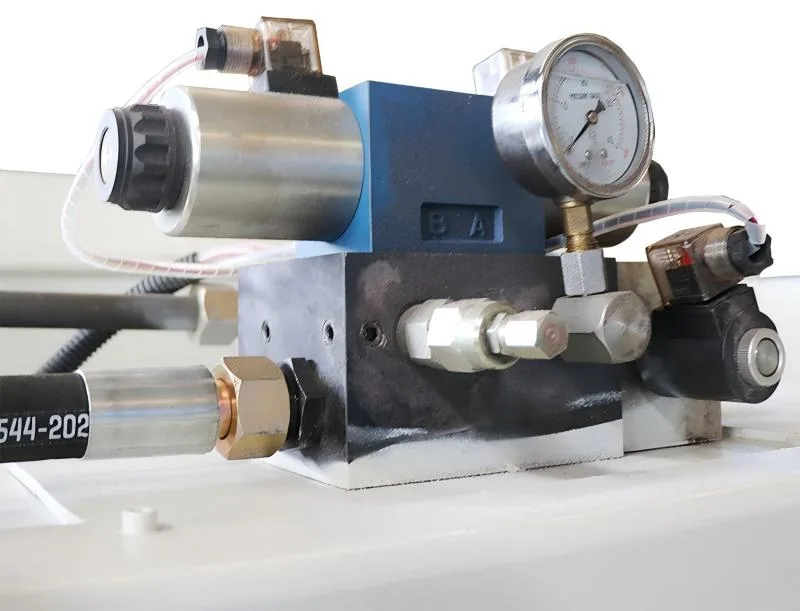
Hydraulic systems are responsible for the movement of the press brake ram. If the hydraulic pressure is not consistent, it can cause the ram to shift during operation. This fluctuation may result from faulty valves, air in the hydraulic lines, or inadequate fluid levels.
4. Frame Deformation
Over time, the press brake frame may experience deformation due to excessive stress or poor maintenance. This can lead to structural misalignments, causing the ram to shift or be positioned incorrectly.
How to Correct a Press Brake Ram Position Offset
1. Recalibrate the Machine
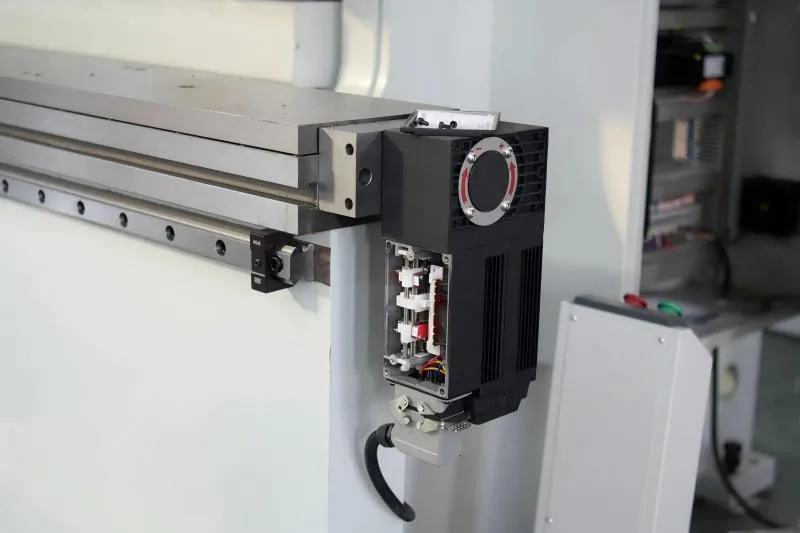
The first step in addressing a ram position offset is recalibration. Follow the manufacturer’s guidelines to reset the machine’s calibration. Use a digital gauge to ensure the ram is aligned with the specified parameters.
2. Check and Adjust Tooling
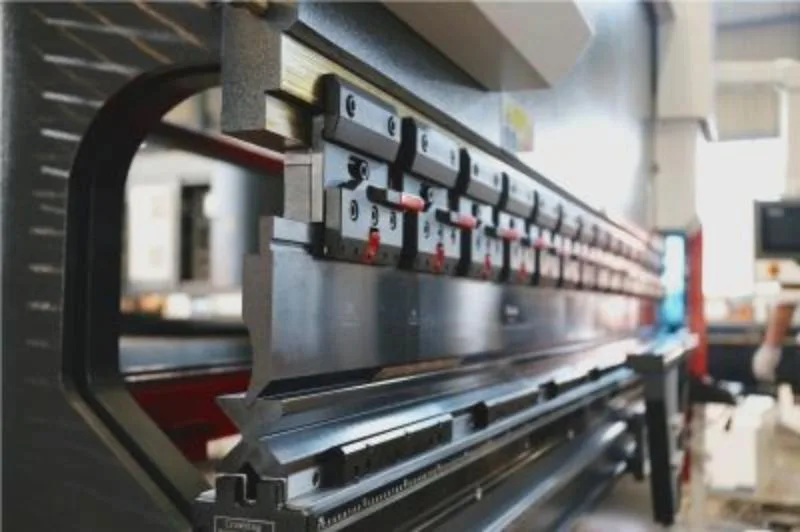
Ensure that the tooling is properly installed and aligned. Worn or damaged tools should be replaced, and new ones must be installed according to the press brake’s specifications.
3. Maintain Hydraulic Systems
Regular maintenance of the hydraulic system is crucial for preventing ram position offsets. Check the hydraulic pressure and fluid levels regularly, and replace any faulty valves or components to maintain consistent pressure throughout the operation.
4. Inspect and Repair the Frame
If you suspect that frame deformation is causing the issue, it’s important to have the press brake inspected by a professional. In some cases, repairs or reinforcements may be necessary to restore the machine’s accuracy.
FAQs
How do I know if my press brake ram position is offset?
If you notice that your bends are inconsistent or parts are misaligned, it could be a sign that your ram position is offset. You can also check the ram position using a digital gauge or alignment tool.
Can a press brake ram position offset affect production efficiency?
Yes, an offset ram position can result in poor bending accuracy, which can cause delays in production and increase waste. Regular calibration and maintenance are essential to ensure your press brake operates efficiently.
How often should I recalibrate my press brake?
It’s recommended to recalibrate your press brake at least once a year or more frequently if you notice any performance issues or after a significant number of production hours.
Conclusion
Press brake ram position offset can be a significant issue, but it is manageable with the right knowledge and maintenance. By recalibrating your machine, ensuring proper tooling alignment, maintaining hydraulic systems, and checking for frame deformation, you can eliminate this problem and keep your press brake running smoothly. If you have further questions or need assistance, don’t hesitate to contact our expert team for support.
Regular care and attention to detail are key to ensuring the long-term performance and accuracy of your press brake. Stay proactive and keep your machine in top shape!


