


Tooling Change on Press Brakes is a crucial task that demands strict safety measures. Properly handling the tooling change process ensures not only the quality of the bends but also the safety of the operators and the longevity of the machine. In this guide, we will walk through the necessary safety procedures to follow when changing tooling on press brakes. By following these steps, operators can avoid potential accidents, prevent machine damage, and maintain a productive work environment. Adhering to safety standards during tooling change is essential for both operational efficiency and worker protection, ensuring that your press brake continues to deliver high-quality results without compromising safety.
How to Safely Change Tooling on Press Brakes
Step 1: Power Down the Press Brake Machine
Before starting any tooling change, it’s vital to completely power down the press brake. This ensures that no accidental movements of the machine can occur during the process. Always turn off the main power supply and engage the emergency stop function. Ensure that the machine’s control system is in a “safe” state to avoid unexpected activation while handling the tooling.
Step 2: Remove Existing Tooling
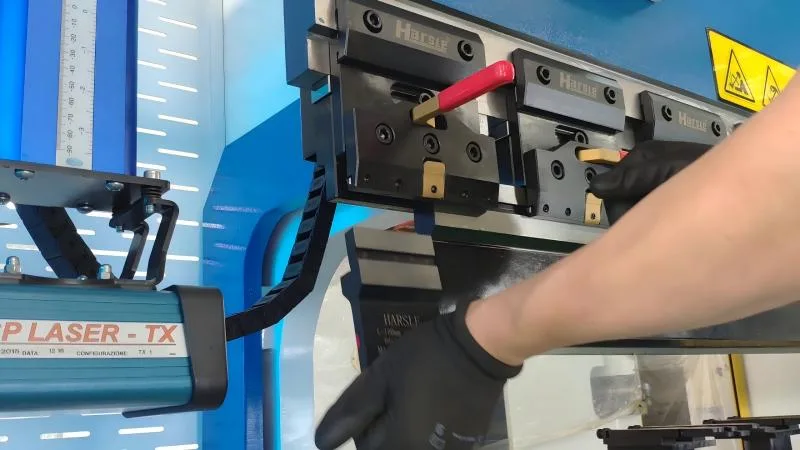
Carefully remove any existing tooling from the press brake. Always use the proper tools for removal and ensure you are wearing appropriate personal protective equipment (PPE), such as gloves and safety glasses. It’s important to follow the manufacturer’s guidelines when removing tooling to avoid damaging both the tooling and the machine.
Step 3: Inspect and Clean the Tooling and Machine
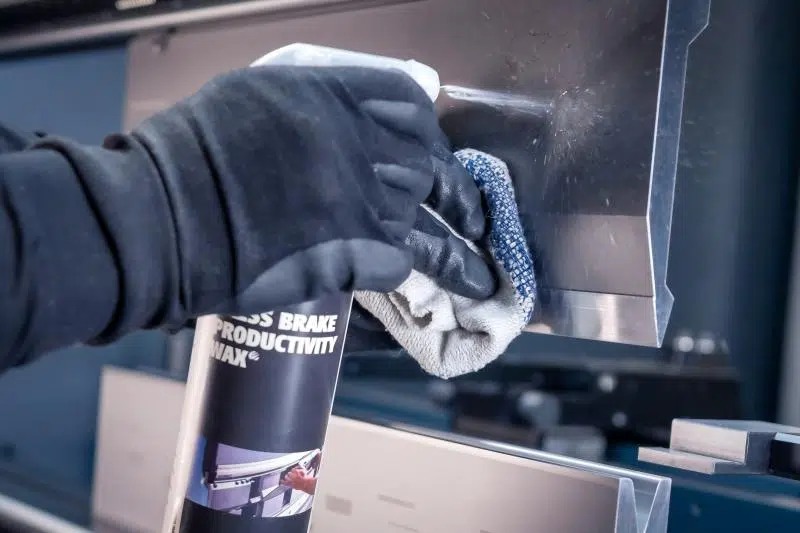
Before installing new tooling, it is essential to inspect both the tooling and the machine’s tool holders for any signs of wear, damage, or buildup of debris. Cleaning the tooling and machine will ensure that no contaminants affect the quality of your workpiece and that the new tooling fits properly. Check the tool holders for any misalignment or debris that could hinder proper function.
Step 4: Install the New Tooling
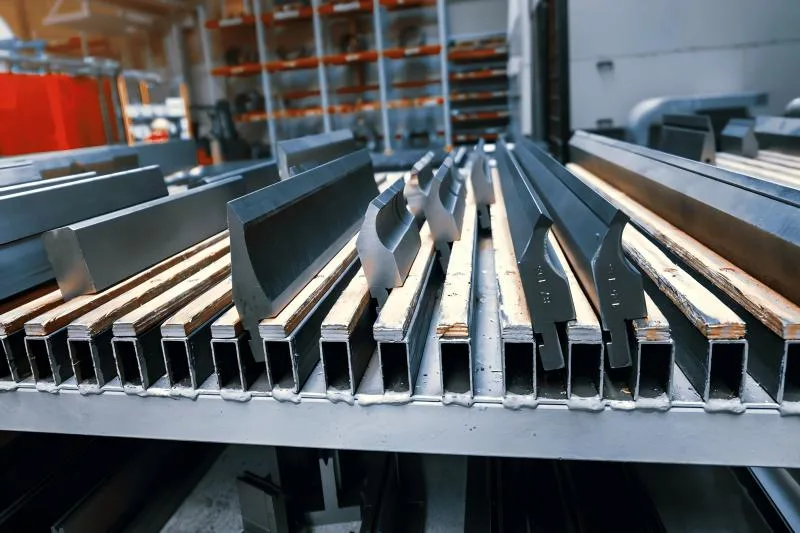
Install the new tooling in accordance with the manufacturer’s instructions. Ensure that the tools are correctly positioned and securely fastened to the press brake. Double-check the alignment of the tooling to guarantee it is properly seated. A misalignment could lead to inaccurate bends or damage to both the machine and the tooling.
Step 5: Test the New Tooling
After installing the new tooling, it’s crucial to test the press brake to ensure everything is working as expected. Perform a dry run with the machine set to low speed or no load. This test allows you to verify that the tooling is positioned correctly and that the machine operates smoothly without issues.
Common Tooling Change on Press Brakes Issues and How to Avoid Them
Incorrect Tooling Setup
One of the most common issues during tooling changes is an improper setup. Always ensure that the tools are properly aligned and securely mounted. Improper tooling setup can lead to inconsistent bending and possible damage to the workpiece or the machine.
Tool Wear and Tear
Regularly inspect the tooling for wear and tear. Over time, tools can become worn out and lose their accuracy. Replacing worn tools before they fail can help prevent downtime and ensure consistent results.
Tooling Misalignment
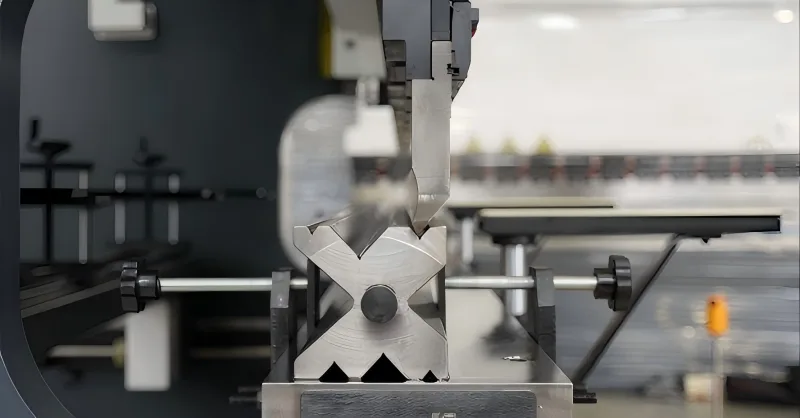
Misalignment can cause defects in the final product. Regularly check the alignment of your tooling and backgauge to ensure that everything is in the correct position before running production jobs.
FAQs
How often should I change the tooling on my press brake?
The frequency of tooling changes depends on the type of work being done and the amount of material being processed. In general, you should check and possibly change tooling after every major job or after noticeable wear on the tooling.
What are the risks of improper tooling change?
Improper tooling changes can lead to machine damage, inaccurate bends, or even personal injury. Always follow the manufacturer’s safety guidelines and use the proper techniques when changing tooling to prevent these risks.
How can I safely handle heavy tooling?
Always use appropriate lifting tools or assistive devices when handling heavy tooling. If the tooling is particularly heavy, consider using a hoist or crane to avoid injury. Additionally, always wear gloves and other PPE when handling tooling.
Conclusion
Tooling changes on press brakes are an essential part of ensuring that your machine operates efficiently and accurately. By following the proper safety procedures, you can avoid accidents, protect your machine, and achieve high-quality results. Always remember to power down the machine, clean and inspect both the tooling and the machine, and follow manufacturer guidelines for installation. For more detailed support or questions, don’t hesitate to contact our team.


