


Poor Press Brake Maintenance is often the hidden reason behind sudden accuracy loss, hydraulic oil leaks, and inconsistent bending angles. In my experience, many operators believe that if the press brake is still running, there is no immediate problem. However, skipping routine inspections, lubrication, calibration, and cleaning gradually wears down key components and weakens overall machine stability. In this article, I’ll break down the specific failures caused by Poor Press Brake Maintenance, explain how they develop in real workshop environments, and share practical ways to avoid expensive downtime and long-term equipment damage.
Hydraulic System Failures Caused by Poor Press Brake Maintenance
The hydraulic system is the heart of any hydraulic press brake. When Poor Press Brake Maintenance affects this system, the consequences are immediate and expensive.
Hydraulic Oil Contamination and Seal Damage
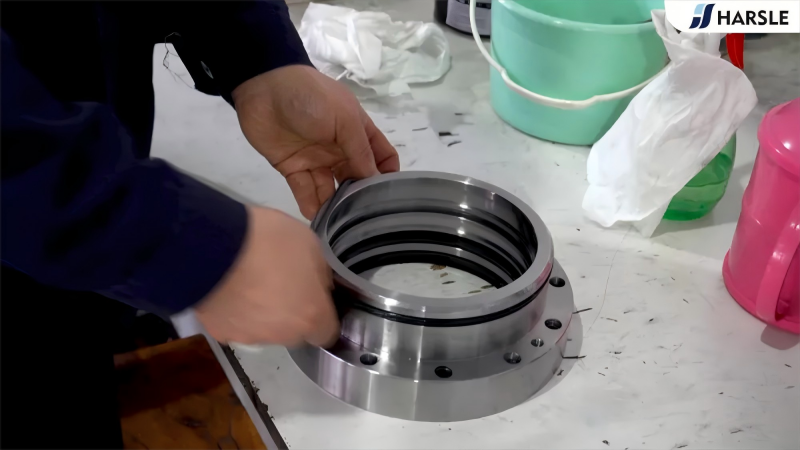
One of the most common failures I see is contaminated hydraulic oil. If filters are not replaced on schedule or the oil is not changed regularly, metal particles and dust circulate inside the system. Over time, this leads to:
- Premature seal wear
- Internal leakage in cylinders
- Pressure instability
Once seals are damaged, oil leaks begin to appear around cylinders and valves. This not only reduces bending force but also creates safety hazards.
Unstable Pressure and Inconsistent Bending Force
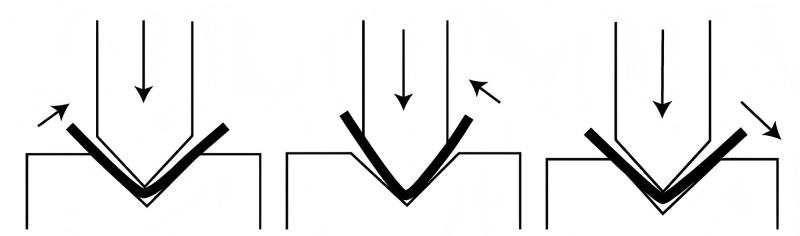
Poor Press Brake Maintenance often leads to neglected pressure checks. When hydraulic pressure fluctuates, the ram cannot apply consistent force. As a result:
- Bending angles vary from part to part
- Thick plates are under-bent
- Thin sheets are over-bent
Many operators mistakenly adjust tooling when the real problem lies in hydraulic instability.
Bending Accuracy Loss Due to Poor Press Brake Maintenance
Accuracy is the core value of a CNC press brake. Without proper maintenance, precision quickly declines.
Backgauge Misalignment and Positioning Errors
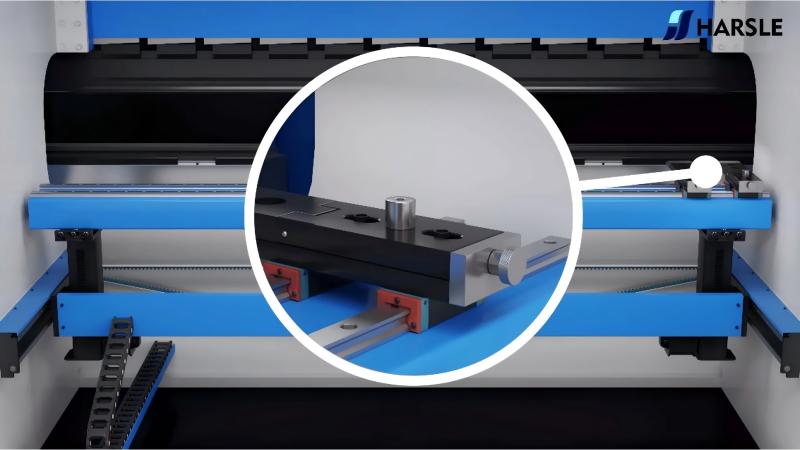
If the backgauge linear guides and ball screws are not cleaned and lubricated regularly, dust and metal chips accumulate. This increases friction and causes:
- Positioning deviations
- Repeated dimensional errors
- Servo motor overload alarms
In extreme cases, worn ball screws must be replaced—an avoidable cost if regular cleaning and lubrication had been performed.
Ram and Guide Rail Wear
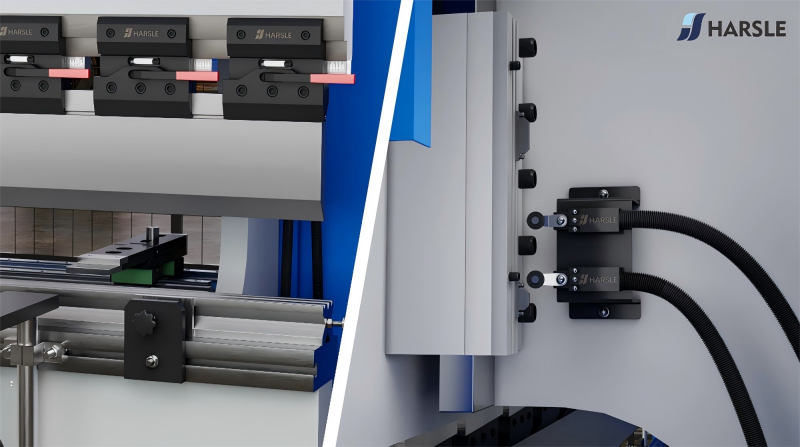
Guide rail lubrication is critical. Poor Press Brake Maintenance leads to dry friction between the ram and guide rails. Over time, this results in:
- Uneven ram movement
- Increased mechanical noise
- Loss of parallelism
Once ram alignment is affected, bending accuracy suffers significantly.
Electrical and Control System Problems
Modern CNC press brakes rely heavily on electrical systems and PLC controls. Maintenance negligence can cause serious electronic failures.
Loose Connections and Sensor Failures
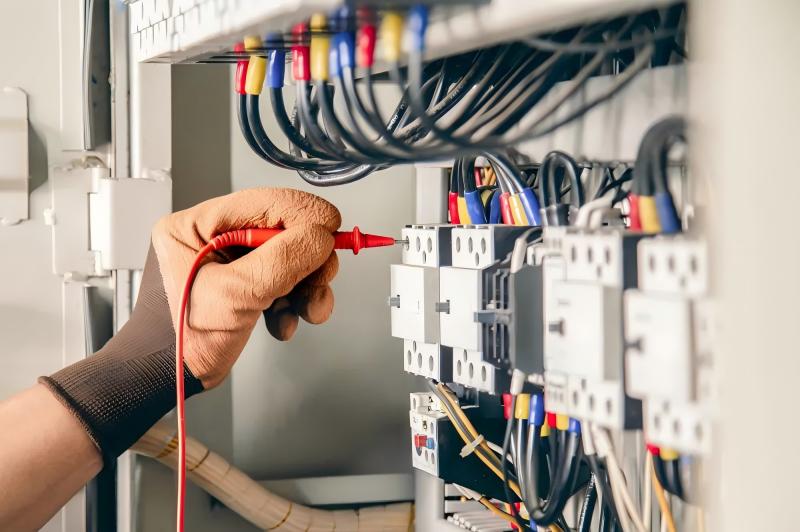
Vibration during production can gradually loosen electrical terminals. If routine inspections are skipped, this can cause:
- Random system alarms
- Backgauge positioning failures
- Inconsistent signal transmission
Simple tightening checks during regular maintenance can prevent many of these issues.
Cooling System Blockage in CNC Controllers
Dust buildup inside the control cabinet is another hidden risk. Poor Press Brake Maintenance often means ignoring cabinet cleaning. When cooling fans and filters are blocked:
- Controller overheating occurs
- Touch screen freezes
- Unexpected shutdowns happen
Electronic failures are costly and often avoidable with basic preventive maintenance.
Tooling Damage and Premature Wear
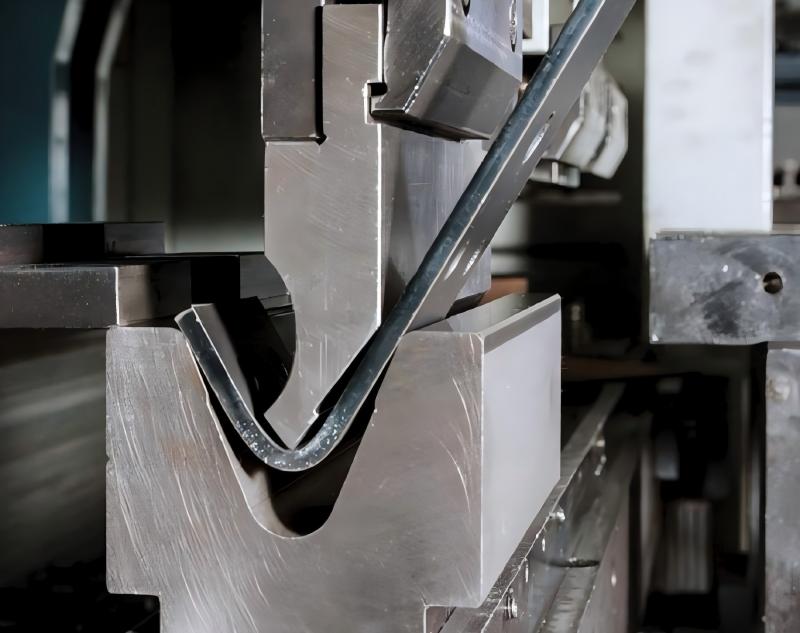
Press brake tooling is expensive and directly affects bending quality.
Tooling Surface Wear from Lack of Cleaning
If tooling is not cleaned after use, metal debris remains on the surface. This causes:
- Scratches on workpieces
- Increased tool wear
- Reduced tooling lifespan
Proper tooling storage and cleaning routines significantly extend service life.
Clamping System Failures
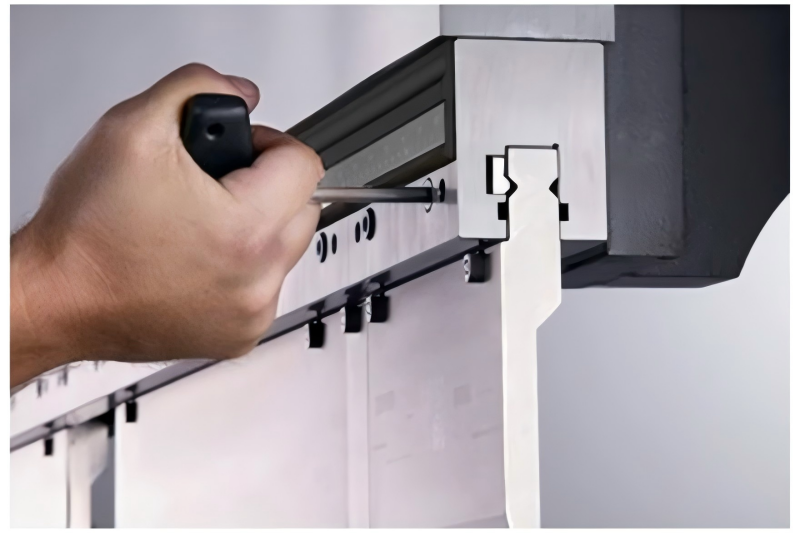
Hydraulic or manual clamping systems require inspection. Poor Press Brake Maintenance can lead to uneven clamping pressure, causing:
- Tool movement during bending
- Angle inconsistencies
- Safety risks
Regular inspection ensures stable and secure tooling installation.
Safety Risks Associated with Poor Press Brake Maintenance
Beyond mechanical failures, safety is a major concern.
Light Curtain and Safety Device Malfunctions
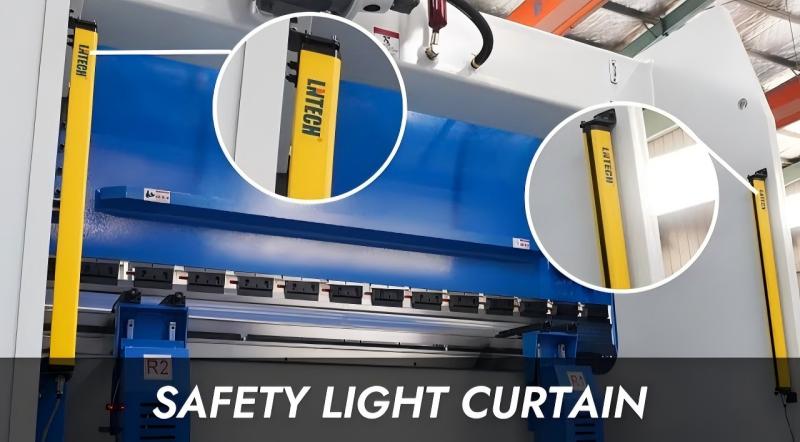
If safety devices are not tested regularly, sensors may fail without warning. This increases the risk of operator injury. I always recommend routine testing of:
- Light curtains
- Emergency stop buttons
- Safety relays
Preventive maintenance is not only about machine performance but also operator protection.
FAQs
How does Poor Press Brake Maintenance affect bending accuracy?
Poor Press Brake Maintenance leads to hydraulic instability, backgauge misalignment, and guide rail wear. These issues directly cause inconsistent bending angles and dimensional errors.
How often should I perform preventive maintenance on a press brake?
In my experience, daily visual inspections, weekly cleaning and lubrication, and scheduled oil and filter replacement every 3–6 months are essential to prevent failures.
Can Poor Press Brake Maintenance cause hydraulic system damage?
Yes. Contaminated oil, worn seals, and neglected filters can damage pumps, valves, and cylinders, leading to expensive repairs.
What is the most common failure caused by Poor Press Brake Maintenance?
The most frequent problems are hydraulic pressure instability and backgauge positioning errors. Both directly affect production quality.
Conclusion
From hydraulic leaks and pressure instability to backgauge misalignment and electrical faults, Poor Press Brake Maintenance can cause a wide range of failures. Most of these issues do not appear overnight—they develop gradually due to neglected inspections, lubrication, and cleaning routines.
In my real workshop experience, consistent preventive maintenance is far more cost-effective than reactive repairs. By implementing structured daily, weekly, and monthly maintenance checks, you can protect bending accuracy, extend machine lifespan, and reduce unexpected downtime.
If you need detailed maintenance guidelines or professional technical support, I recommend contacting our team or exploring more documentation resources to ensure your press brake operates safely and efficiently for years to come.


