


Press Brake Bolt Inspection is often overlooked when people ask me how to improve press brake safety, as most expect the answer to involve advanced control systems or safety light curtains. In reality, loose or damaged bolts create many hidden risks, ranging from sudden accuracy loss to serious mechanical failures. If you are looking for a clear and practical explanation of how bolt inspection directly improves safety, this article is written for you. Drawing on real workshop experience, I’ll explain which bolts are most critical, how they influence machine stability, and why regular inspection is essential for protecting both operators and equipment.
Why Press Brake Bolt Inspection Is a Safety-Critical Task
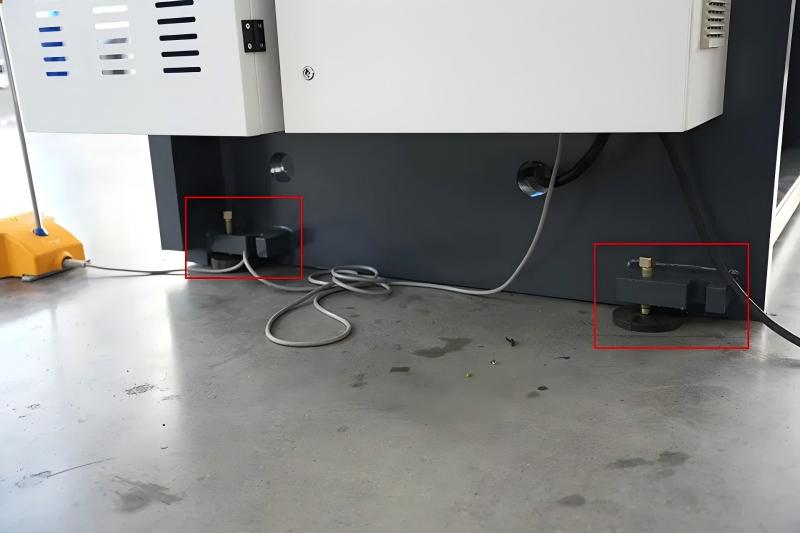
Press brakes operate under extremely high forces, especially during thick plate bending or long-bed operations. Every structural component relies on bolts to maintain alignment and load distribution. Press Brake Bolt Inspection ensures that these fasteners can safely withstand repeated stress cycles.
When bolts loosen over time due to vibration, thermal expansion, or improper tightening, the machine structure no longer behaves as designed. This can lead to unexpected ram movement, frame distortion, or even sudden component failure. From a safety standpoint, inspecting bolts regularly helps prevent unpredictable machine behavior that could put operators at risk.
Key Bolts That Directly Affect Press Brake Safety
Frame and Side Plate Bolts
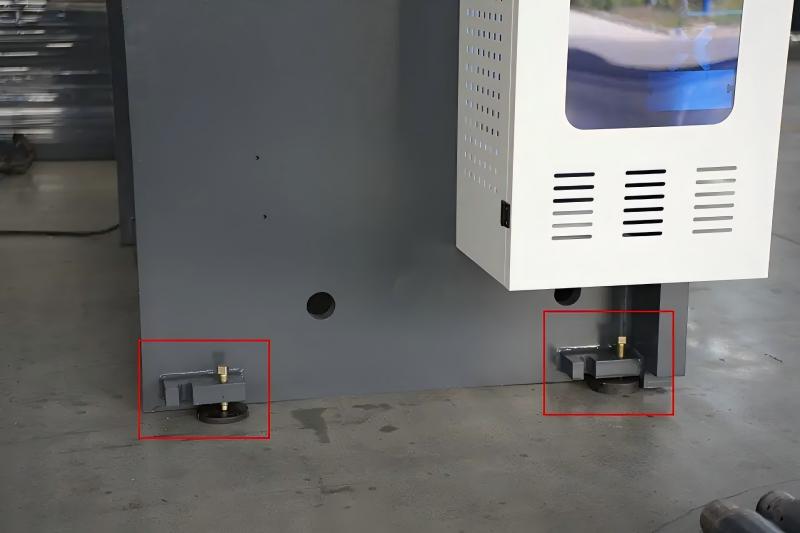
The main frame and side plates form the backbone of the press brake. These bolts hold the machine’s structure together and absorb the majority of bending forces. During Press Brake Bolt Inspection, I always start here because loose frame bolts can cause micro-movements that are invisible during operation but dangerous over time.
If these bolts are not secure, the frame may flex unevenly under load. This not only affects bending accuracy but also increases the risk of structural fatigue and cracking, which can compromise long-term machine safety.
Ram and Upper Beam Connection Bolts
Ram-related bolts are another critical focus area. The ram moves up and down thousands of times during daily production, and any looseness in its mounting bolts can cause uneven force distribution.
Through Press Brake Bolt Inspection, I’ve seen cases where a slightly loose ram bolt caused abnormal vibration and noise. Left unchecked, this condition could lead to guide rail damage or sudden mechanical shock, both of which pose serious safety hazards to operators standing near the bending zone.
Tooling Clamping and Die Holder Bolts
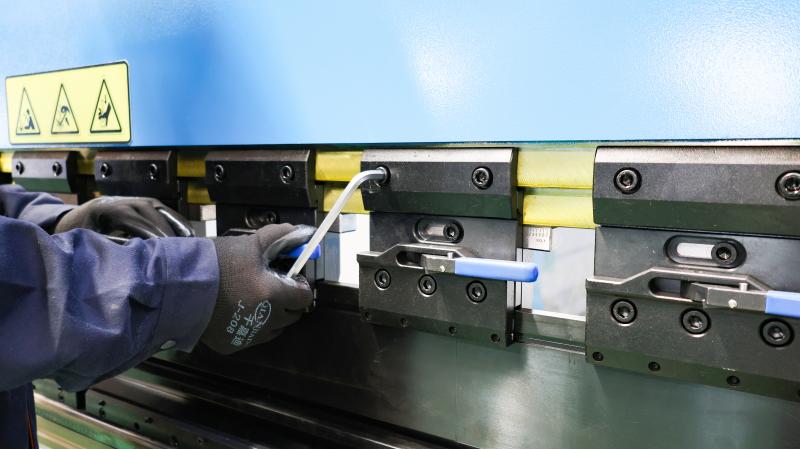
Tooling bolts are directly linked to operator safety. Upper punch clamps and lower die holders must remain firmly secured at all times. If these bolts loosen, tooling may shift or slip during bending, increasing the risk of tool breakage or workpiece ejection.
A proper Press Brake Bolt Inspection routine includes checking clamping bolts for torque consistency and signs of wear. This simple step significantly reduces the risk of tooling-related accidents on the shop floor.
Backgauge Mounting Bolts and Support Brackets
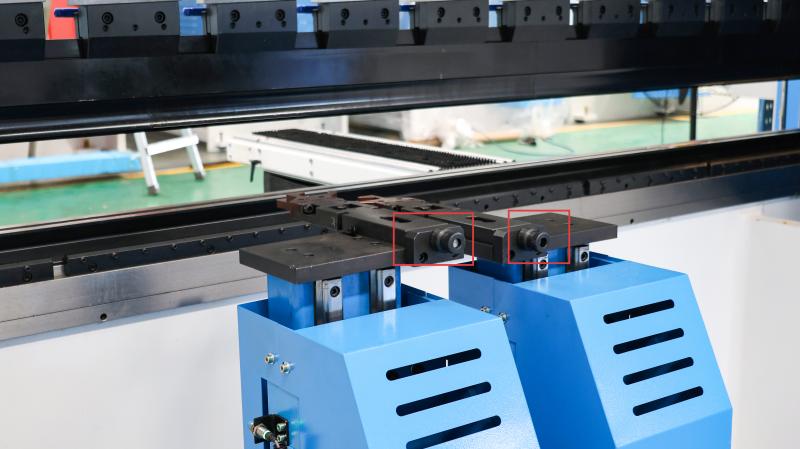
Although backgauge systems are often associated with accuracy, their bolts also affect safety. A loose backgauge support bolt can cause sudden positional errors or mechanical interference during movement.
During Press Brake Bolt Inspection, I always recommend checking backgauge mounting points and linear guide supports. Stable backgauge operation prevents unexpected collisions that could damage components or endanger operators during manual adjustments.
How Press Brake Bolt Inspection Prevents Common Safety Risks
Reducing Sudden Mechanical Failures
Many mechanical failures do not happen instantly. They start with a slightly loose bolt that gradually worsens. Press Brake Bolt Inspection allows you to detect early warning signs such as uneven wear marks, abnormal noise, or visible gaps between components.
By addressing these issues early, you reduce the risk of sudden failures that could lead to emergency stops or unsafe working conditions.
Maintaining Stable Load Distribution
A press brake is designed to distribute bending forces evenly across the frame and tooling system. Loose bolts disrupt this balance. Through regular Press Brake Bolt Inspection, you ensure that forces remain evenly distributed, preventing localized overloads that could cause component breakage.
Stable load distribution not only protects the machine but also creates a more predictable and safer bending process for operators.
Improving Operator Confidence and Safe Operation
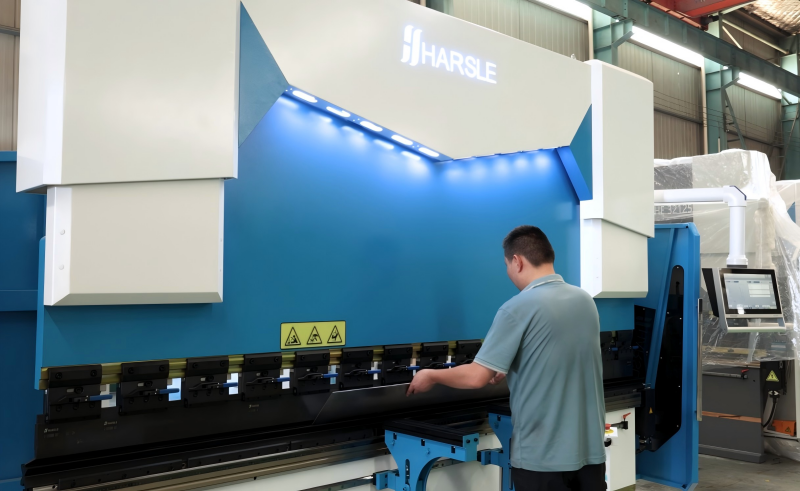
Operators tend to work more confidently when the machine behaves consistently. Unusual vibrations, noise, or movement often indicate loose bolts. When these symptoms are eliminated through proper Press Brake Bolt Inspection, operators can focus on safe handling rather than reacting to unexpected machine behavior.
How Often Should Press Brake Bolt Inspection Be Performed?
From my experience, Press Brake Bolt Inspection should follow a structured schedule. Visual checks can be done daily or weekly, especially on tooling and accessible bolts. Torque verification for critical structural bolts should be performed during scheduled maintenance intervals, typically every few months or after heavy production cycles.
Any time the machine experiences abnormal vibration, overload bending, or relocation, an immediate bolt inspection is strongly recommended.
Best Practices for Effective Press Brake Bolt Inspection
Use Proper Torque Tools
Always use calibrated torque wrenches rather than relying on feel. Press Brake Bolt Inspection is only effective when bolts are tightened according to manufacturer specifications.
Inspect for Wear and Deformation
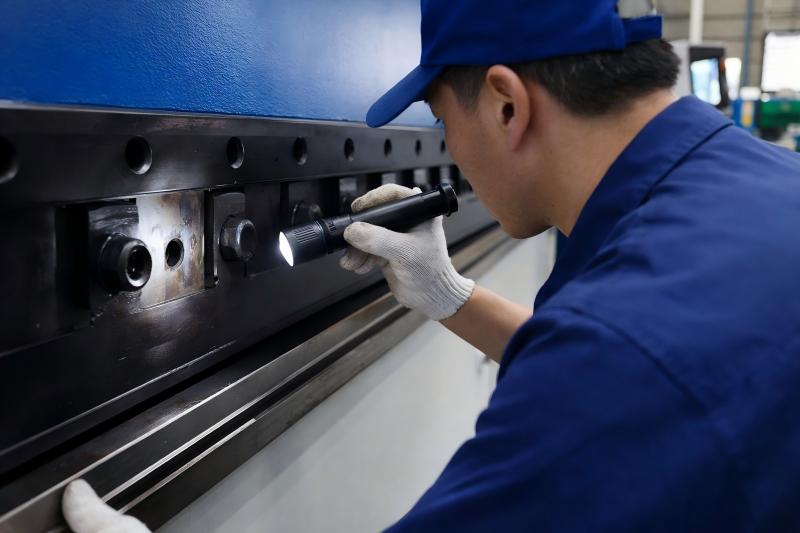
Inspection is not only about tightness. Look for stretched bolts, damaged threads, corrosion, or deformation around bolt holes. These signs indicate that replacement may be necessary to maintain safety.
Record Inspection Results
Keeping maintenance records helps track recurring issues and ensures that Press Brake Bolt Inspection is performed consistently. This documentation is especially valuable for safety audits and long-term machine reliability.
FAQs
How does Press Brake Bolt Inspection improve operator safety?
Press Brake Bolt Inspection improves operator safety by preventing sudden mechanical failures, reducing vibration, and ensuring stable machine behavior during bending operations.
Which bolts should be prioritized during Press Brake Bolt Inspection?
Frame bolts, ram connection bolts, tooling clamping bolts, and backgauge mounting bolts should always be prioritized due to their direct impact on safety and stability.
Can loose bolts affect safety even if bending accuracy seems normal?
Yes. Even when accuracy appears acceptable, loose bolts can lead to fatigue damage and sudden failure, making Press Brake Bolt Inspection essential regardless of visible performance issues.
Conclusion
Press Brake Bolt Inspection is one of the simplest yet most effective ways to improve machine safety. By regularly checking critical bolts, maintaining proper torque, and addressing early signs of wear, you significantly reduce the risk of mechanical failure and unsafe operation. From my real-world experience, consistent bolt inspection protects not only the press brake itself but also the people who operate it every day.


