


Press Brake Daily Maintenance is one of the most common topics I’m asked about on the shop floor, especially when operators want to keep their machines accurate and reliable. From my experience, it doesn’t involve complex overhauls or time-consuming inspections, but a series of focused daily checks that stop minor issues from developing into costly downtime. In this article, I’ll explain the most important daily maintenance checks, why each one matters, and how these simple routines help protect bending accuracy, machine safety, and long-term performance in real production environments.
Why Press Brake Daily Maintenance Is Critical
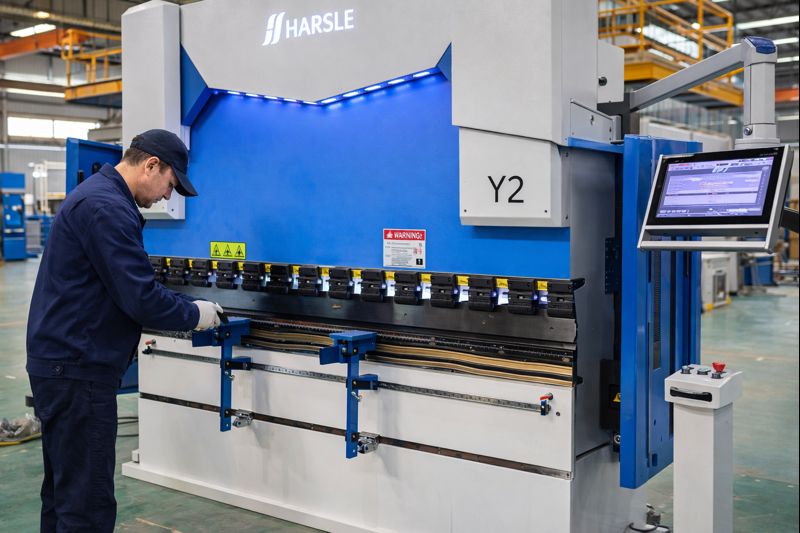
Daily maintenance is the foundation of stable press brake operation. Even the most advanced CNC press brake can lose accuracy if basic checks are ignored. Press Brake Daily Maintenance helps operators detect early signs of wear, misalignment, or hydraulic problems before they affect bending results. In my experience, factories that follow daily checks consistently see fewer breakdowns, longer tool life, and more predictable bending quality across shifts.
Just as importantly, daily maintenance improves operator safety. Loose fasteners, oil leaks, or sensor contamination can create risks that are easy to overlook during busy production schedules. Spending a few minutes on daily checks can prevent serious incidents and unplanned stoppages.
Daily Visual Inspection Before Startup
Checking the Machine Frame and Working Area
Before powering on the press brake, I always recommend starting with a quick visual inspection. Look around the machine frame, ram, and worktable for visible damage, cracks, or unusual deformation. The working area should be clean and free of scrap material, oil spills, or obstructions. A cluttered work area can interfere with accurate positioning and increase the risk of accidents during bending.
This step may seem basic, but it is one of the most effective Press Brake Daily Maintenance habits. Visual changes often signal deeper mechanical or alignment issues that should be addressed early.
Inspecting Tooling Condition and Alignment

Tooling plays a direct role in bending accuracy. During daily maintenance, check punches and dies for visible wear, cracks, or deformation. Make sure tooling is properly seated and aligned in the clamping system. Misaligned tools can cause uneven bends, excessive tool wear, and unnecessary stress on the machine.
If quick-change clamping is used, confirm that clamps are fully engaged and secure. Any looseness should be corrected before production starts.
Hydraulic System Daily Checks
Monitoring Hydraulic Oil Level and Leaks
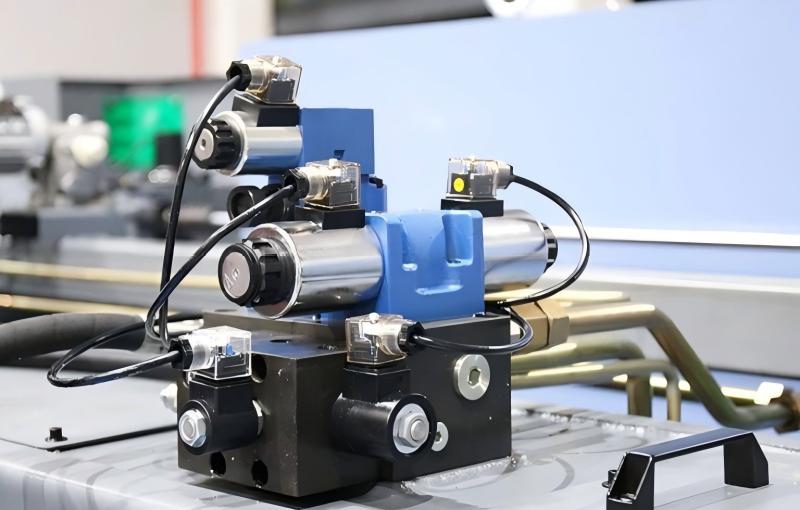
The hydraulic system is the heart of a press brake. As part of Press Brake Daily Maintenance, always check the hydraulic oil level against the recommended range. Low oil levels can introduce air into the system, leading to unstable ram movement and inconsistent bending angles.
At the same time, inspect hoses, fittings, and cylinders for signs of leakage. Even minor oil seepage should not be ignored, as it often indicates seal wear or loose connections that can worsen quickly under pressure.
Observing Abnormal Noise or Vibration
When starting the machine, pay close attention to sound and vibration. Unusual noise from the hydraulic pump or valves often points to contamination, air in the oil, or component wear. Vibration during operation can indicate alignment issues or loose mounting components. Catching these signs early is a key part of effective daily maintenance.
Lubrication Points and Moving Components
Daily Lubrication Checks
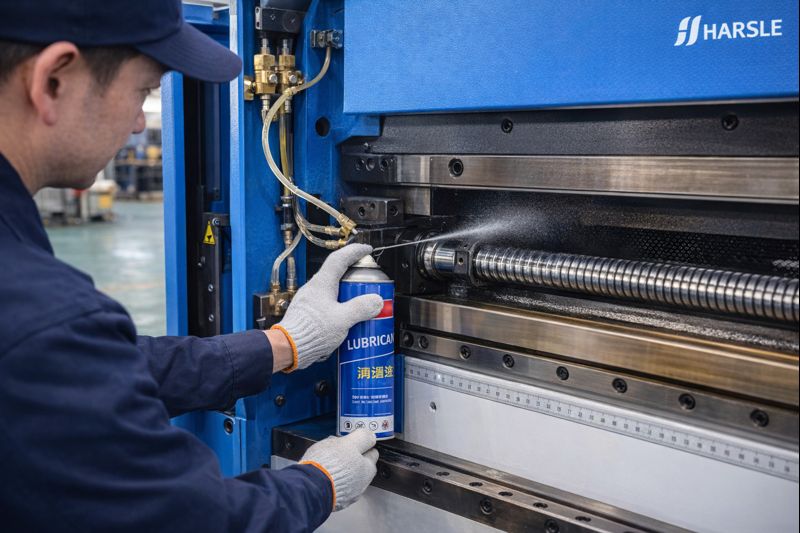
Although full lubrication schedules are usually weekly or monthly, daily checks are still important. I always advise operators to confirm that guide rails, linear bearings, and ball screws are clean and properly lubricated. Dry or contaminated surfaces accelerate wear and reduce positioning accuracy.
If automatic lubrication systems are installed, verify that they are functioning correctly and that lubricant is being delivered as expected. A blocked lubrication line can go unnoticed without daily observation.
Cleaning Guideways and Sliding Surfaces
Dust, metal particles, and oil residue accumulate quickly in press brake environments. As part of Press Brake Daily Maintenance, wipe down exposed guideways and sliding surfaces. Keeping these areas clean helps maintain smooth movement and protects precision components from premature wear.
Electrical and Control System Checks
Inspecting Cables, Sensors, and Connections
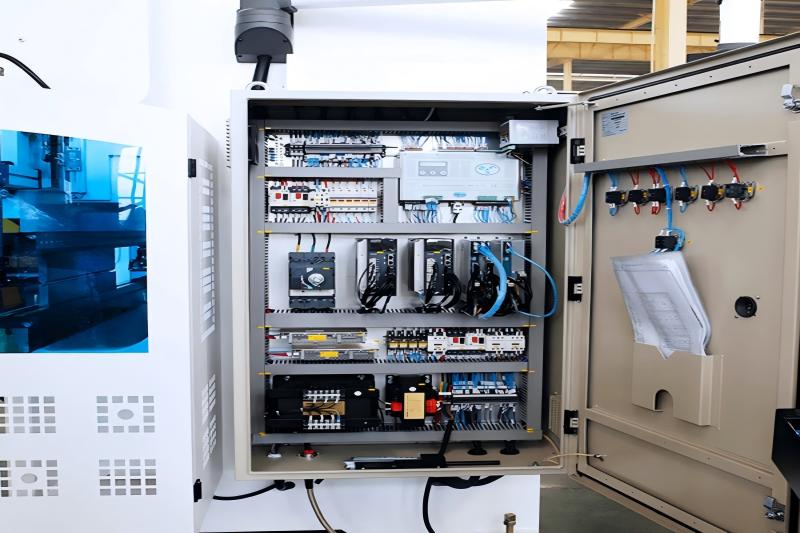
Electrical issues are often overlooked during daily maintenance, but they can cause sudden faults. Visually inspect cables, connectors, and sensor mounts for looseness or damage. Pay special attention to backgauge sensors and safety devices, as inaccurate feedback can directly affect bending results.
Loose connections can cause intermittent errors that are difficult to diagnose later, so daily inspection saves troubleshooting time.
Verifying Control System Status
Before starting production, check the CNC control screen for alarms, warnings, or abnormal messages. Even minor alerts should be reviewed rather than ignored. Press Brake Daily Maintenance includes confirming that parameters, programs, and reference positions are correct before running parts, especially after shift changes.
Backgauge and Axis Function Checks
Checking Backgauge Movement Accuracy
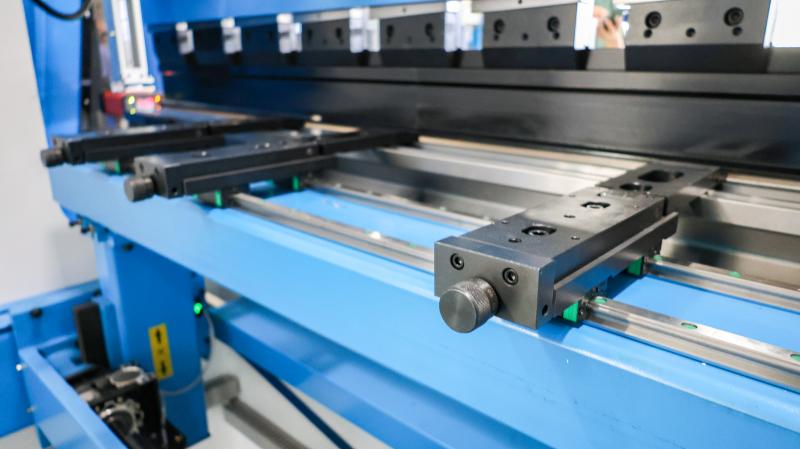
The backgauge is critical for repeatable bending. As part of daily checks, manually move the backgauge through its range and observe whether movement is smooth and consistent. Listen for abnormal sounds and watch for hesitation or positioning errors.
Inaccurate backgauge movement often results from contamination, lack of lubrication, or loose mechanical components, all of which can be identified early through daily observation.
Confirming Axis Zero Position
Before production begins, ensure that all relevant axes have been referenced correctly. Incorrect zero positions can lead to cumulative errors across batches. Including this step in Press Brake Daily Maintenance helps maintain consistent results throughout the day.
Safety System Daily Verification
Testing Safety Devices and Guards
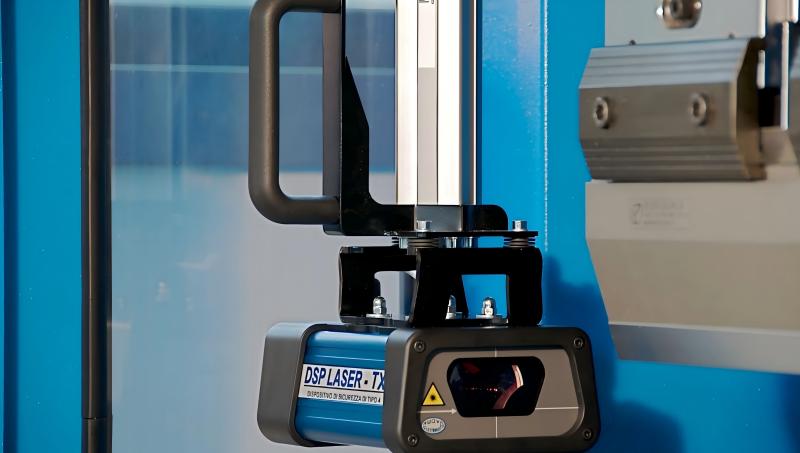
Safety systems must be checked daily, not just during scheduled inspections. Test light curtains, laser protection systems, foot pedals, and emergency stop buttons to ensure they respond correctly. A non-functional safety device should stop production immediately until resolved.
Daily safety checks protect both operators and the machine, and they are a non-negotiable part of responsible maintenance practice.
Common Press Brake Daily Maintenance Mistakes
One common mistake I see is relying only on periodic maintenance while ignoring daily checks. Another is assuming that “no alarm” means “no problem.” Press Brake Daily Maintenance is proactive, not reactive. Skipping small daily tasks often leads to larger mechanical or hydraulic issues that are far more time-consuming to fix.
FAQs
How long should daily maintenance checks take on a press brake?
In my experience, effective Press Brake Daily Maintenance usually takes 10 to 15 minutes. This small time investment can prevent hours of downtime later.
Can daily maintenance improve bending accuracy?
Yes. Daily checks help ensure tooling alignment, stable hydraulic performance, and accurate backgauge positioning, all of which directly affect bending accuracy.
Should operators or maintenance staff perform daily checks?
Daily checks are best performed by trained operators, while more advanced inspections are handled by maintenance staff. Clear responsibility ensures consistency.
What happens if daily maintenance is skipped?
Skipping Press Brake Daily Maintenance increases the risk of oil leaks, tool damage, positioning errors, and unexpected machine stoppages.
Conclusion
Press Brake Daily Maintenance is not complicated, but it is essential. By focusing on visual inspection, hydraulic checks, lubrication, electrical systems, backgauge accuracy, and safety devices, operators can maintain stable performance and consistent bending quality day after day. These daily routines protect your investment, reduce downtime, and support safe, efficient production.
If you want more detailed maintenance guidelines or support tailored to your specific press brake model, feel free to contact the HARSLE technical team or explore our related documentation for deeper insights.


