


Press Brake Electrical Maintenance is often the missing factor when bending accuracy suddenly becomes inconsistent, even though the tooling and material remain unchanged. In many real production situations, the problem is not mechanical wear but overlooked electrical maintenance. Electrical components control critical functions such as ram positioning, backgauge movement, servo response, and signal feedback. When the electrical system becomes unstable, even a well-aligned press brake cannot deliver consistent bends. Based on my practical experience, this article explains how press brake electrical maintenance directly affects bending accuracy, which electrical areas have the greatest impact, and how proper maintenance helps keep angles, repeatability, and part quality stable over time.
How Press Brake Electrical Maintenance Influences Bending Accuracy
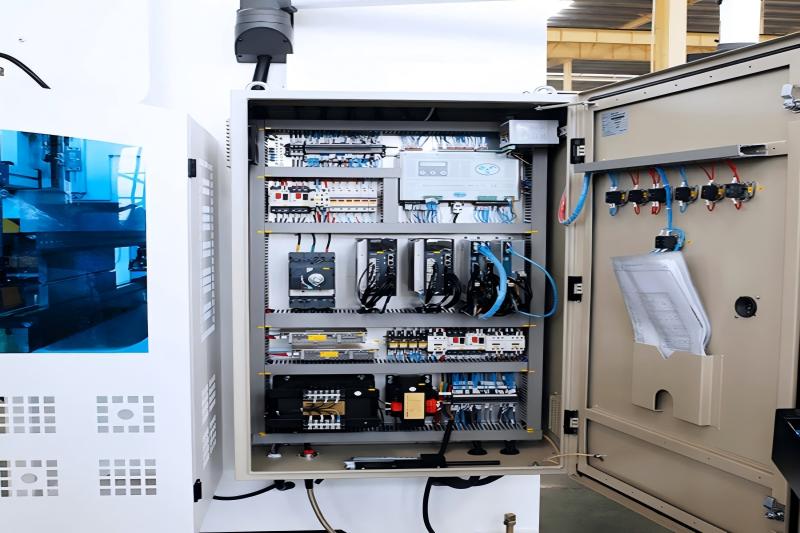
Electrical systems act as the “nervous system” of a press brake. Any signal delay, voltage fluctuation, or sensor error will immediately show up as angle deviation or inconsistent flange lengths.
Signal Stability and Control Accuracy
CNC press brakes rely on precise electrical signals between the controller, drives, and motors. Poor electrical maintenance can lead to unstable signals, causing delayed ram response or inaccurate position feedback. This directly affects bending angle consistency, especially in high-precision applications.
Power Supply Quality and Voltage Fluctuation
Unstable power supply is a hidden threat to bending accuracy. Voltage drops or spikes can cause servo drives to behave inconsistently. Proper press brake electrical maintenance includes checking power quality, grounding, and electrical cabinet connections to ensure stable voltage during operation.
Electrical Cabinet Maintenance for CNC Press Brakes
The electrical cabinet is often ignored until a fault occurs, but it plays a critical role in accuracy control.
Cleaning and Dust Prevention in Electrical Cabinets

Dust, oil mist, and metal particles can accumulate inside the cabinet. These contaminants cause overheating, poor contact, and signal interference. Regular cleaning is a basic but essential step in press brake electrical maintenance to maintain stable CNC performance.
Inspecting Wiring Connections and Terminals
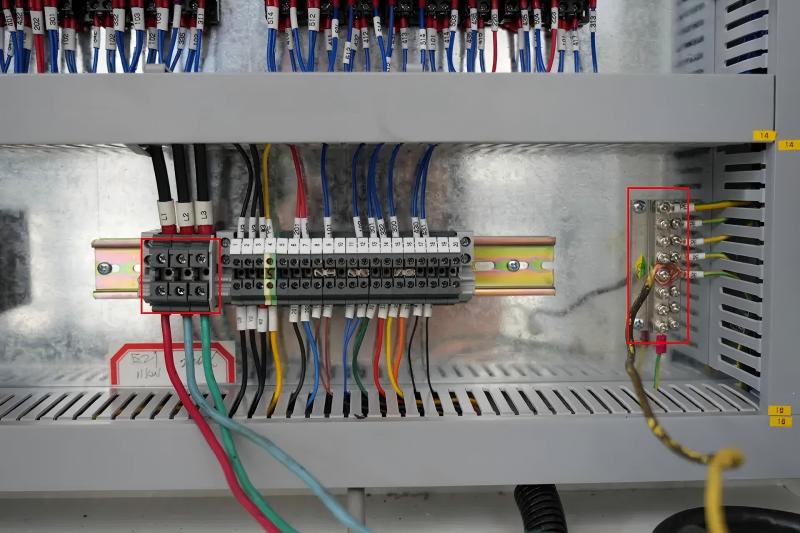
Loose terminals and aging wires create intermittent signals. Even minor contact resistance can affect encoder feedback or limit switch signals. During routine electrical maintenance, I always recommend checking terminal tightness and cable insulation condition.
Cooling Fans and Temperature Control
Overheating shortens the life of electronic components and affects signal accuracy. Faulty cooling fans or blocked air filters can cause thermal drift, which impacts bending repeatability. Keeping cabinet temperature under control is critical for long-term accuracy.
Servo Drive and Motor Maintenance and Its Effect on Accuracy
Servo systems are directly responsible for ram and backgauge positioning accuracy.

Servo Drive Health and Parameter Stability
Servo drives require stable electrical conditions to maintain precise control. Electrical noise, grounding issues, or aging components can cause drive alarms or subtle positioning errors. Proper press brake electrical maintenance includes checking grounding continuity and drive status regularly.
Encoder Feedback and Position Accuracy
Encoders provide real-time position feedback to the CNC system. Damaged encoder cables or connector oxidation can introduce errors that result in angle deviation. Regular inspection of encoder wiring is a key step in maintaining bending accuracy.
Sensor and Safety Circuit Maintenance
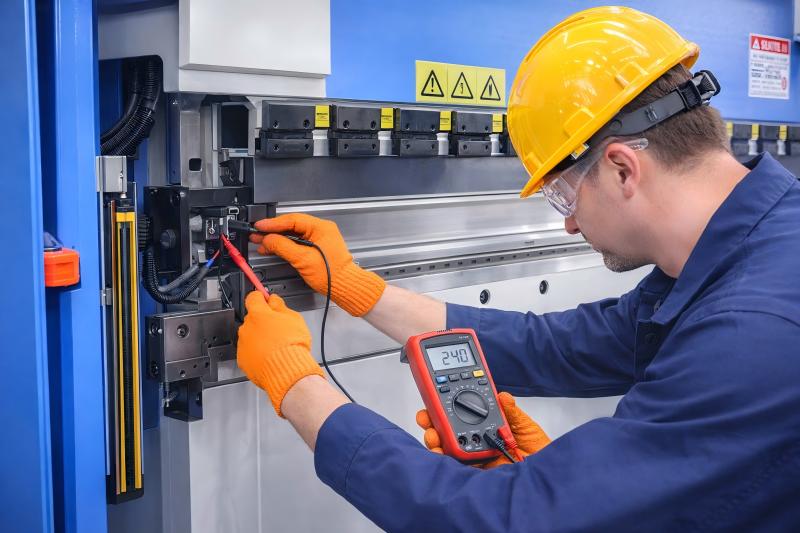
Modern press brakes use multiple sensors to control motion and ensure safety.
Limit Switches and Proximity Sensors
Misaligned or dirty sensors can cause incorrect positioning references. This often leads to inconsistent bending depth or backgauge errors. Cleaning and verifying sensor alignment should be part of routine electrical maintenance.
Safety Circuits and Their Impact on Machine Stability
Faulty safety circuits can trigger unexpected stops or reduced machine speed, affecting production rhythm and accuracy. Ensuring safety relays and light curtain connections are reliable helps maintain smooth and consistent bending cycles.
CNC Control System Maintenance and Calibration
The CNC controller is where all electrical signals are processed and executed.
Software Stability and System Updates

Outdated or unstable CNC software can cause calculation errors or communication delays. Press brake electrical maintenance also includes keeping control software updated and backing up parameters regularly.
Electrical Calibration and Reference Checks
Electrical calibration ensures that commanded positions match actual ram movement. Periodic reference checks help prevent gradual accuracy drift caused by electrical aging or signal deviation.
Preventive Electrical Maintenance to Avoid Accuracy Loss
Preventive maintenance is always more effective than reactive repairs.
Scheduled Electrical Inspections
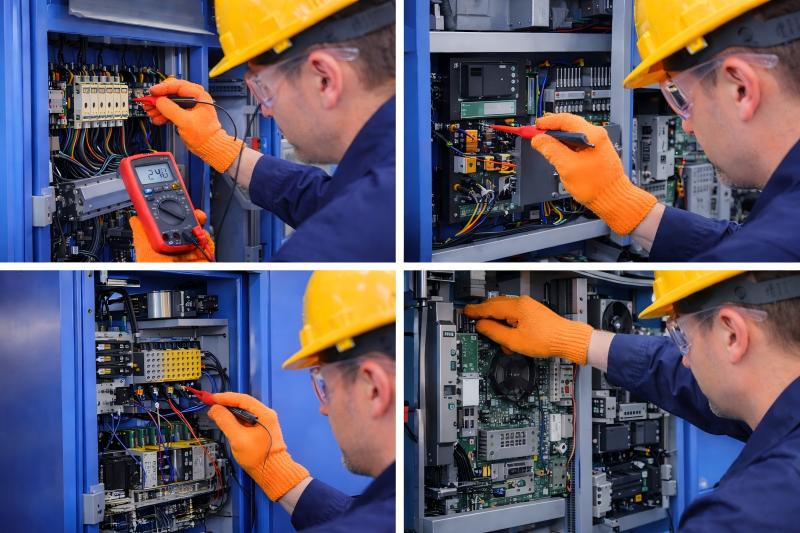
Creating a regular inspection schedule helps identify early signs of electrical issues before they affect bending quality. This includes checking cables, connectors, drives, and cabinet conditions.
Maintenance Records and Trend Monitoring
Keeping detailed maintenance records allows operators to spot recurring electrical issues. Over time, this data helps improve bending accuracy and reduce unexpected downtime.
FAQs
How does Press Brake Electrical Maintenance improve bending accuracy?
Press Brake Electrical Maintenance ensures stable signal transmission, accurate feedback, and reliable servo control. This stability directly translates into consistent bending angles and repeatable part quality.
How often should electrical maintenance be performed on a press brake?
Basic inspections should be done monthly, while deeper electrical checks are recommended every 6 to 12 months, depending on production intensity and operating environment.
Can electrical issues cause angle variation even if tooling is correct?
Yes. Electrical signal delays, encoder errors, or unstable power supply can all cause angle variation, even when tooling and material remain unchanged.
Is electrical maintenance more important for CNC press brakes?
Absolutely. CNC press brakes rely heavily on electrical systems for positioning and calculation. Without proper electrical maintenance, CNC accuracy cannot be guaranteed.
Conclusion
From real workshop experience, I’ve seen that bending accuracy problems are often traced back to neglected electrical systems rather than mechanical faults. Press Brake Electrical Maintenance plays a decisive role in signal stability, servo performance, and CNC control accuracy. By maintaining electrical cabinets, servo systems, sensors, and control software properly, you can significantly improve bending consistency and reduce costly rework. If you want professional guidance or need support with press brake electrical maintenance, feel free to contact the HARSLE technical team or explore our related maintenance documentation for deeper insights.


