


Press Brake Idle Maintenance becomes critical when a machine has been sitting unused for weeks or even months, yet many operators still expect a simple power-on to be enough. In real production environments, this assumption often leads to unexpected failures, unstable bending accuracy, and even safety risks. Before restarting an idle press brake, proper maintenance should be the top priority. In this article, I’ll share practical, workshop-proven steps that help prevent restart failures, protect bending precision, and ensure the machine returns to stable operation instead of creating new problems from the very first cycle.
Why Press Brake Idle Maintenance Is Critical Before Restart
Press brakes are precision machines that rely on hydraulic pressure, electrical stability, lubrication, and mechanical alignment. When a machine sits idle, oil settles, seals dry out, electrical contacts oxidize, and guide components may lose proper lubrication. Without proper Press Brake Idle Maintenance, restarting the machine can lead to pressure loss, abnormal noises, axis alarms, or sudden accuracy deviations that are difficult to trace back to their real cause.
Common Risks of Restarting an Idle Press Brake
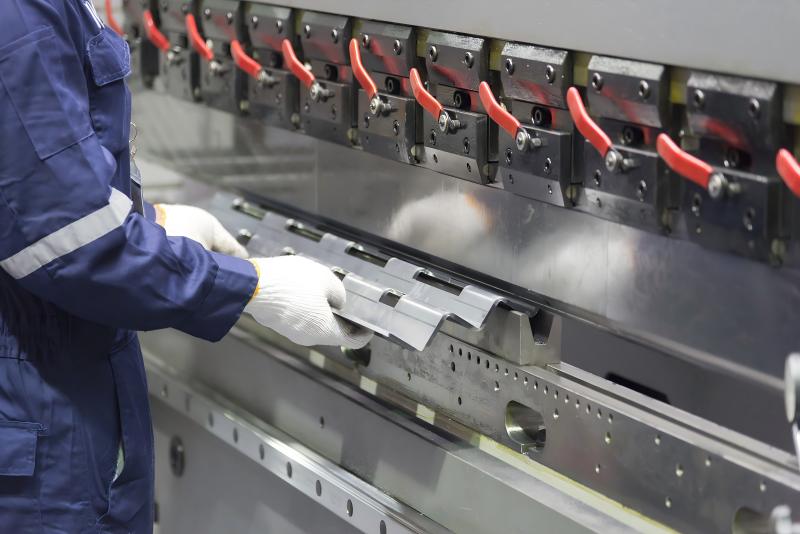
- Hydraulic oil contamination or moisture accumulation
- Sticking valves or sluggish cylinder movement
- Electrical connection oxidation or loose terminals
- Dry guide rails causing uneven ram movement
- Backgauge axis misalignment after long downtime
Understanding these risks helps explain why a structured maintenance process is necessary before pressing the start button.
Step-by-Step Press Brake Idle Maintenance Before Restart
Step 1 Checking the Hydraulic System After Long Downtime
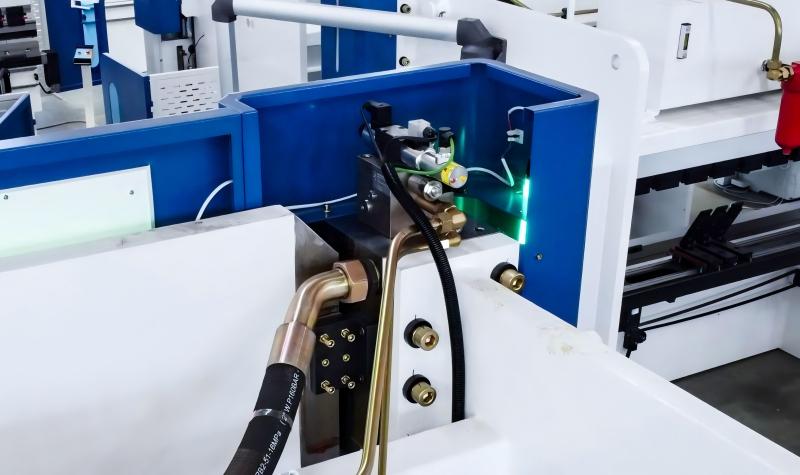
The hydraulic system is usually the most vulnerable part of an idle press brake. I always start by visually inspecting the oil tank, hoses, fittings, and cylinders for leaks or seepage.
If the machine has been idle for more than one month, I recommend checking the hydraulic oil condition. Look for cloudiness, unusual odors, or visible contamination. Moisture can condense inside the tank during idle periods, especially in humid environments. If the oil quality is questionable, replacing or filtering it before restart is far safer than risking valve damage or unstable pressure later.
Step 2 Inspecting Electrical Connections and Control Cabinets
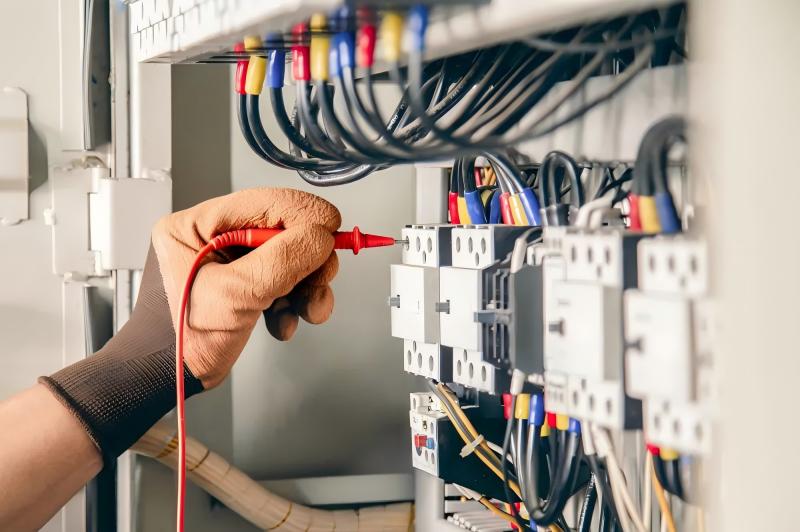
Idle machines often develop electrical issues that are invisible at first glance. During Press Brake Idle Maintenance, I open the electrical cabinet and check for loose terminals, dust accumulation, or signs of oxidation on connectors.
Pay close attention to servo drives, PLC terminals, and safety circuit connections. Even a slightly loose terminal can cause random alarms or axis faults after restart. I also verify that cooling fans and cabinet ventilation are clean and functional before powering up.
Step 3 Re-Lubricating Guide Rails and Moving Components
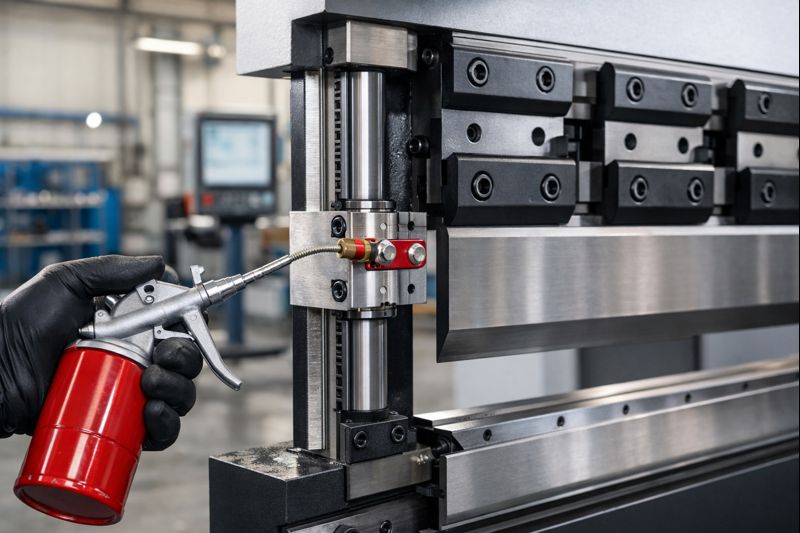
Guide rails, linear bearings, and ball screws depend on consistent lubrication. When a press brake sits idle, lubricants can dry out or migrate away from critical contact areas.
Before restarting, I manually apply fresh lubricant to guide rails, backgauge guides, and other sliding components according to the manufacturer’s recommendations. This step is essential for avoiding uneven ram movement and sudden accuracy loss during the first bending cycles.
Step 4 Verifying Mechanical Fasteners and Structural Stability
Long idle periods can allow vibrations, temperature changes, or foundation settling to affect mechanical fasteners. As part of Press Brake Idle Maintenance, I check key bolts on the ram, frame connections, tooling clamps, and backgauge assemblies.
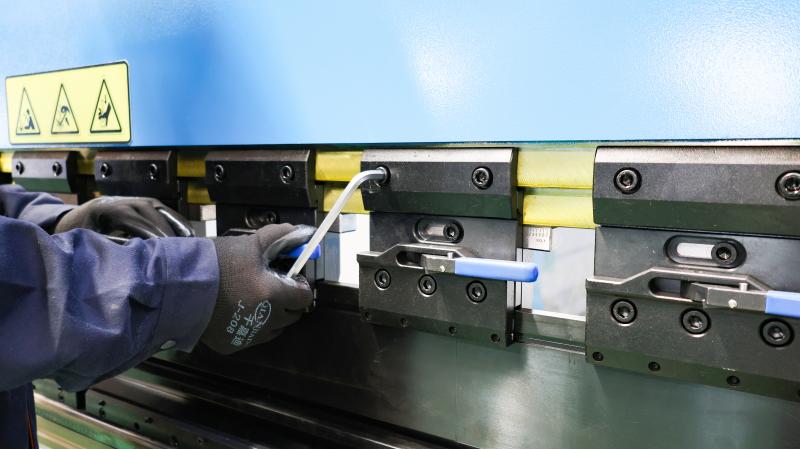
Loose fasteners can create abnormal noises or inconsistent bending results that are often mistaken for hydraulic or control issues. A basic torque check can prevent many restart failures.
Step 5 Performing a Controlled Power-On and Warm-Up Procedure
Instead of jumping straight into production, I always recommend a controlled power-on sequence. Start the machine without load, allow the hydraulic system to warm up gradually, and run the ram through slow, full-stroke movements.
This warm-up process allows oil viscosity to stabilize, air bubbles to escape, and components to settle back into normal operating conditions. Skipping this step is a common mistake that leads to pressure fluctuations and unstable angles.
Accuracy Checks After Press Brake Idle Maintenance
Checking Ram Parallelism and Backgauge Positioning
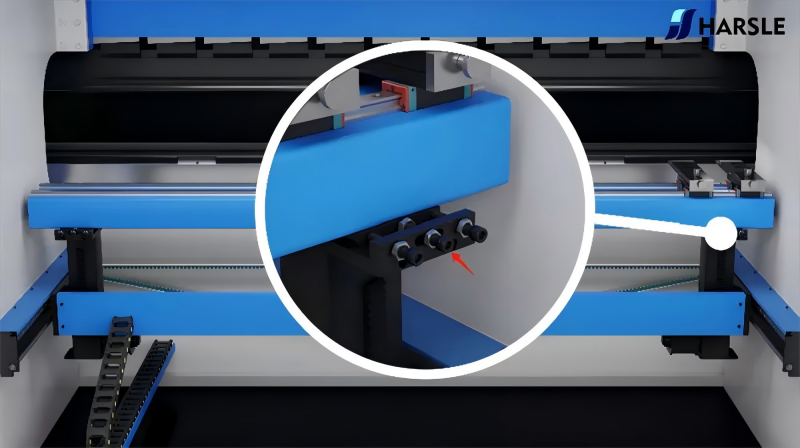
After restart, accuracy should never be assumed. I perform basic test bends and check angle consistency across the full bending length. If deviations appear, ram parallelism or backgauge alignment may need adjustment.
Idle periods can exaggerate small alignment issues, making this accuracy verification step critical before releasing the machine for production.
Monitoring Early Warning Signs During Initial Operation
During the first hours of operation, I pay close attention to abnormal sounds, oil temperature changes, and alarm messages. These early signs often indicate hidden issues that Press Brake Idle Maintenance may not fully eliminate but can help identify before serious damage occurs.
Preventive Strategies to Reduce Restart Failures in the Future
Creating an Idle Maintenance Checklist
One of the most effective ways to avoid restart failures is having a documented Press Brake Idle Maintenance checklist. This ensures that inspections, lubrication, and system checks are performed consistently, even if different operators handle the restart.
Running Periodic Idle Cycles
If a press brake is expected to sit idle for extended periods, I recommend running it briefly every few weeks. This keeps seals lubricated, electrical contacts active, and mechanical components from settling into problematic positions.
FAQs
How long does a press brake need to be idle before maintenance is required?
From my experience, Press Brake Idle Maintenance should be performed if the machine has been idle for more than two to four weeks, especially in humid or dusty environments.
Can I restart an idle press brake without changing hydraulic oil?
If the oil is clean and the idle period is short, oil replacement may not be necessary. However, oil inspection is always recommended to avoid hidden contamination risks.
What is the most common cause of restart failures after idle time?
The most common causes are insufficient lubrication, contaminated hydraulic oil, and loose electrical connections developed during downtime.
Should tooling be removed during long idle periods?
Removing tooling is a good practice. It reduces stress on the ram and prevents corrosion or deformation during extended idle storage.
Conclusion
Press Brake Idle Maintenance is not an optional step but a necessary process to avoid restart failures, protect machine accuracy, and ensure operator safety. By carefully inspecting hydraulic systems, electrical connections, lubrication points, and mechanical fasteners, you can restart an idle press brake with confidence instead of uncertainty. If you want more detailed guidance or professional support for press brake maintenance and restart procedures, feel free to explore more documentation on the HARSLE website or contact our technical team for assistance.


