


Press Brake Preventive Maintenance is essential for ensuring stable performance and avoiding unnecessary downtime in any metal fabrication workshop. When customers ask me whether preventive maintenance is truly necessary for a press brake, my answer is always straightforward: absolutely. It is not merely about cleaning the machine; it is about preventing expensive breakdowns, preserving bending accuracy, and securing long-term production efficiency. In this article, I’ll explain which failures can be avoided through proper maintenance, how these problems gradually develop in real factory conditions, and what practical actions you can take to keep your press brake operating safely and reliably.
Why Press Brake Preventive Maintenance Matters in Daily Production
In real factory environments, most serious press brake failures do not happen suddenly. They develop slowly due to neglect, contamination, misalignment, or wear. Preventive maintenance helps identify early warning signs before they become expensive downtime events.
Without regular inspections and servicing, small issues such as hydraulic pressure instability or backgauge positioning deviation can evolve into major mechanical failures. By implementing a structured Press Brake Preventive Maintenance schedule, I can reduce unexpected shutdowns and protect both machine components and finished product quality.
Hydraulic System Failures That Preventive Maintenance Can Avoid
The hydraulic system is the core power unit of any press brake. Many common breakdowns originate here.
Hydraulic Oil Contamination Problems

Contaminated hydraulic oil leads to valve sticking, unstable pressure, and accelerated seal wear. Through routine oil analysis, filter replacement, and proper tank cleaning, I can prevent:
- Pressure fluctuation during bending
- Slow ram movement
- Internal leakage
- Premature hydraulic pump wear
Clean oil directly protects proportional valves, servo valves, and cylinders.
Overheating and Pressure Instability
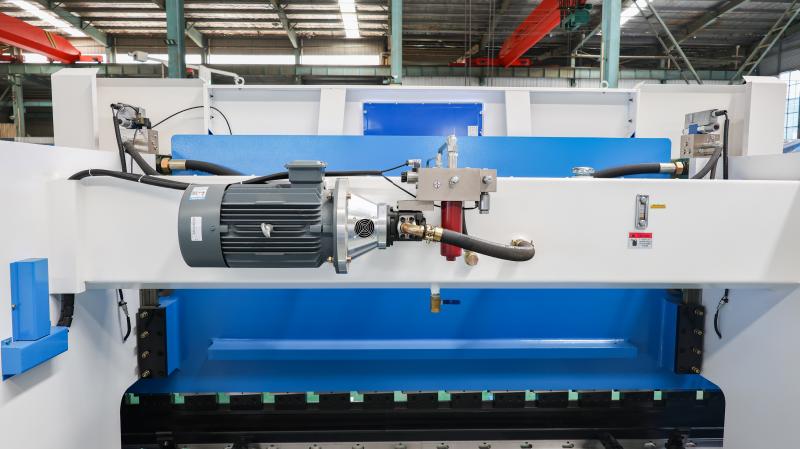
When cooling systems are not inspected regularly, hydraulic oil temperature can rise excessively. Overheating reduces oil viscosity and increases internal leakage. Preventive checks of the cooling unit, oil level, and pump condition help avoid:
- Hydraulic oil overheating
- Inconsistent bending force
- Seal damage
- System pressure loss
Mechanical Wear Failures That Can Be Prevented
Mechanical components experience constant load stress during bending. Ignoring lubrication and alignment creates avoidable problems.
Ram and Guide Rail Wear
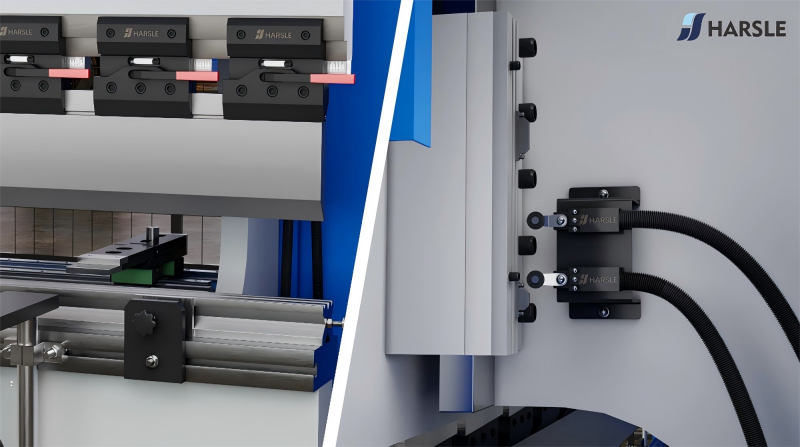
Improper lubrication of guide rails increases friction and causes uneven ram movement. Over time, this results in:
- Ram vibration
- Uneven bending angles
- Decreased repeatability
- Frame stress concentration
By performing scheduled lubrication and checking guide rail alignment, I can maintain smooth and synchronized ram travel.
Backgauge Positioning Errors
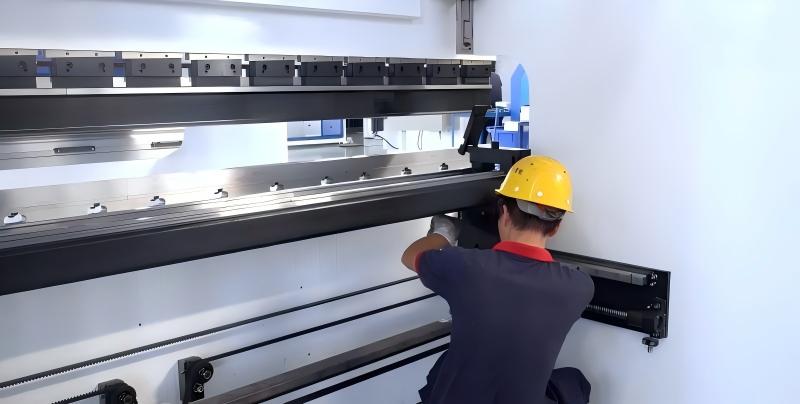
Backgauge repeatability directly affects bending dimension accuracy. Without preventive inspection, ball screws and linear guides can wear prematurely.
Routine preventive checks allow me to detect:
- Backgauge positioning deviation
- Motor overload alarms
- Ball screw backlash
- Slow backgauge movement
Proper cleaning and lubrication significantly extend service life.
Electrical and CNC Failures That Can Be Avoided
Modern press brakes rely heavily on electrical and CNC systems. Dust, loose wiring, and unstable voltage often cause avoidable failures.
CNC System Freezing and Alarm Codes

Dust accumulation inside electrical cabinets may cause overheating and controller instability. By inspecting cooling fans, tightening terminals, and maintaining clean wiring connections, I can prevent:
- CNC system freeze
- Random alarm codes
- Encoder signal errors
- Servo drive instability
Sensor and Encoder Signal Failures
Position sensors and encoders are essential for maintaining bending accuracy. Regular inspection prevents signal interruptions that can lead to:
- Ram position offset
- Y-axis repeatability issues
- Sudden machine stops
Preventive maintenance ensures stable signal transmission and reliable positioning control.
Tooling and Accuracy Problems Prevented by Maintenance
Tooling condition is directly linked to bending quality.
Tooling Wear and Misalignment
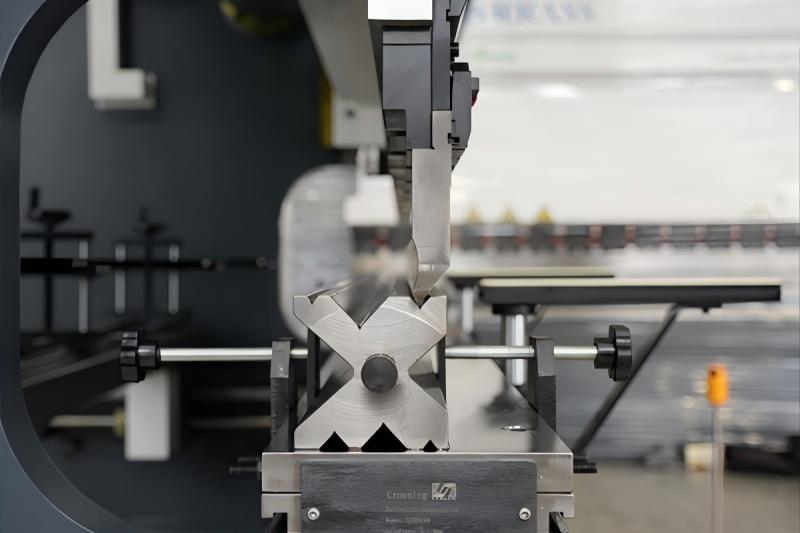
If tooling is not cleaned and inspected regularly, surface damage or improper alignment may cause:
- Angle inconsistency
- Surface marking
- Workpiece cracking
- Reduced bending accuracy
By checking tooling alignment and surface condition during preventive maintenance, I protect both machine accuracy and customer product quality.
Frame Stress and Structural Deformation
Excessive overload without inspection may gradually deform the machine frame. Preventive inspection of tonnage limits, crowning system calibration, and ram synchronization helps avoid long-term structural damage.
How to Implement Effective Press Brake Preventive Maintenance
To avoid the failures discussed above, I recommend establishing a structured maintenance routine:
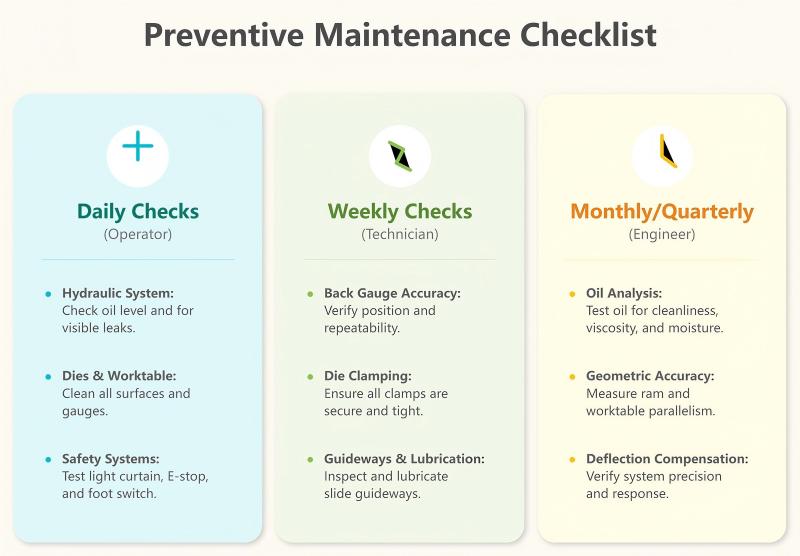
Daily Checks
- Inspect oil level and leaks
- Clean worktable and tooling
- Check abnormal noise or vibration
Weekly Inspections
- Lubricate guide rails and moving parts
- Inspect backgauge movement
- Check electrical cabinet cleanliness
Monthly or Hour-Based Maintenance
- Replace or inspect hydraulic filters
- Check hydraulic oil condition
- Verify ram synchronization
- Inspect encoder signals
Consistency is more important than complexity. A simple but disciplined maintenance schedule prevents most major breakdowns.
FAQs
How often should Press Brake Preventive Maintenance be performed?
I recommend daily visual inspections, weekly mechanical checks, and more detailed servicing every 500–1000 operating hours depending on workload.
Can preventive maintenance really improve bending accuracy?
Yes. Proper lubrication, backgauge calibration, and hydraulic stability directly improve bending repeatability and angle consistency.
What is the most common failure caused by poor maintenance?
From my experience, hydraulic contamination and backgauge wear are the most frequent issues when preventive maintenance is ignored.
Is preventive maintenance necessary for CNC press brakes?
Absolutely. CNC press brakes have additional electrical and servo components that require even more consistent inspection and cleaning.
Conclusion
Press brakes rarely fail without warning. Most breakdowns are the result of neglected maintenance, contamination, or gradual wear. Through proper Press Brake Preventive Maintenance, I can avoid hydraulic instability, mechanical wear, CNC system errors, and bending accuracy problems before they interrupt production.
Preventive maintenance protects your investment, reduces downtime, and ensures stable long-term performance. If you would like a customized maintenance checklist or technical support for your press brake system, feel free to contact our team. We are always ready to help you maintain maximum productivity and precision.


