


Press Brake Tooling Maintenance is often the key factor behind why tooling wears out much faster than expected, even when the press brake itself remains in excellent condition. In daily production, I frequently find that the real cause is not poor tooling quality, but improper handling, insufficient maintenance, or incorrect storage practices. Effective Press Brake Tooling Maintenance plays a critical role in preventing premature wear, preserving bending accuracy, and extending overall tooling life. In this article, I’ll share practical, workshop-proven methods that reduce unnecessary tooling damage and show how disciplined maintenance habits directly lead to longer service life and more stable bending results.
Why Press Brake Tooling Maintenance Matters for Tool Life
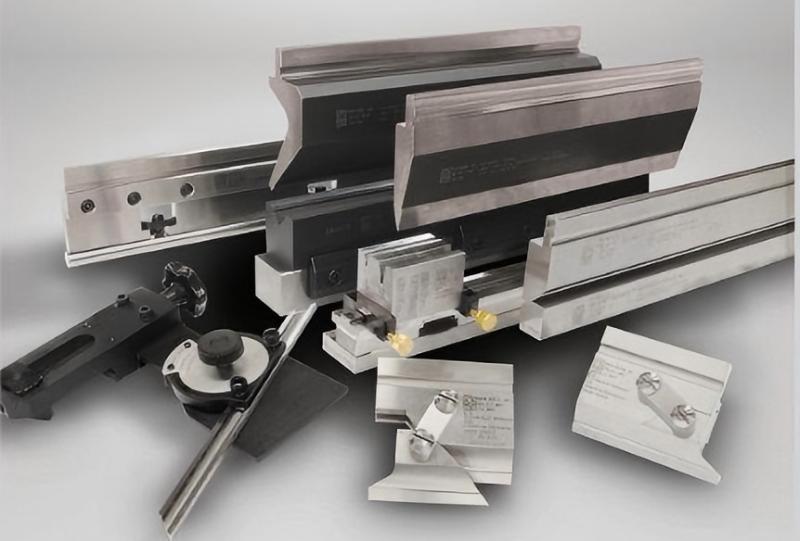
Press brake tooling is subjected to repeated high pressure, friction, and impact during bending operations. Without proper Press Brake Tooling Maintenance, small issues such as surface contamination, misalignment, or improper clamping can quickly develop into serious wear problems.
Premature wear often starts invisibly. Minor scratches on tool surfaces, uneven contact areas, or burrs left on tooling edges may not affect the first few bends, but over time they accelerate fatigue and deformation. Proper maintenance helps identify and eliminate these early warning signs before they shorten tooling lifespan.
How Improper Tooling Care Accelerates Wear
When tooling is mounted without cleaning, metal chips and dust create point contact under load. This concentrates stress in small areas, leading to surface pitting and edge damage. Inconsistent clamping force or misaligned punches and dies further increases uneven wear, which eventually affects bending accuracy and tool safety.
Daily Press Brake Tooling Maintenance Practices
Cleaning Tooling Before and After Each Shift
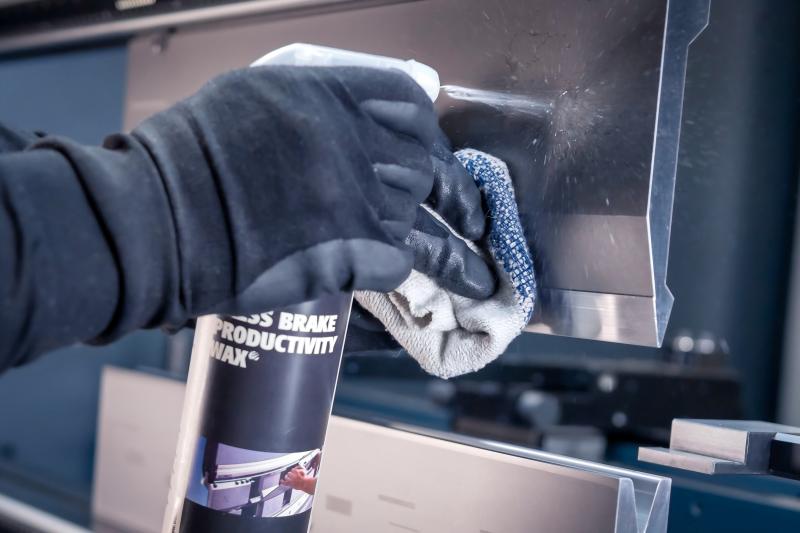
Cleaning is one of the simplest yet most effective steps in Press Brake Tooling Maintenance. Before installing tooling, I always make sure both the punch and die surfaces are clean and free of debris. After production, removing oil residue and metal dust prevents corrosion and surface abrasion during storage.
Using non-abrasive cloths and approved cleaning agents helps protect hardened tool surfaces. Aggressive solvents or wire brushes should be avoided, as they can damage protective coatings.
Visual Inspection for Early Wear Signs

A quick visual inspection during daily maintenance helps catch problems early. I recommend checking for surface scratches, chipping, deformation, or unusual wear patterns. Any abnormal marks usually indicate incorrect alignment, excessive tonnage, or improper material selection.
Identifying these issues early allows operators to correct setup parameters before tooling damage becomes irreversible.
Proper Tool Installation and Alignment
Ensuring Correct Tool Clamping
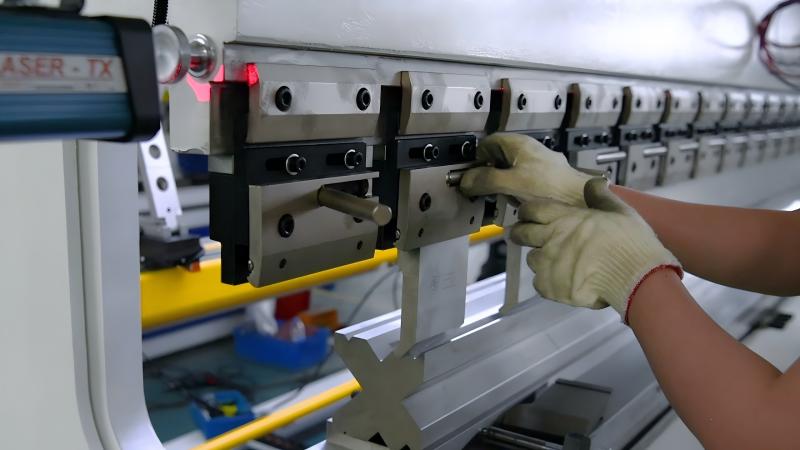
Incorrect clamping is a major contributor to premature wear. During Press Brake Tooling Maintenance, I always verify that punches and dies are fully seated and evenly clamped along their entire length. Uneven clamping causes micro-movement under load, leading to fretting wear and surface fatigue.
Torque values for clamping bolts should follow manufacturer recommendations. Over-tightening can deform tooling, while under-tightening increases vibration and wear.
Checking Alignment Between Punch and Die
Misalignment forces tooling to absorb uneven loads. Regularly checking alignment helps prevent localized stress and edge damage. Even small deviations can accelerate wear, especially in high-precision bending applications.
Lubrication and Surface Protection
Using Protective Oils for Tooling Surfaces
Applying a thin protective oil layer is an important part of Press Brake Tooling Maintenance, especially when tooling is not used daily. This prevents corrosion and reduces friction during initial contact.
However, excessive lubrication during bending should be avoided, as it may affect material positioning or attract contaminants.
Proper Storage to Prevent Tool Damage
Storing Tooling in Dedicated Racks

Tool storage has a direct impact on wear prevention. I strongly recommend using dedicated press brake tooling racks that support tools evenly and prevent contact between tool edges. Stacking tooling directly on floors or shelves often leads to accidental impacts and edge chipping.
Controlling Environment Conditions
Humidity and temperature fluctuations accelerate corrosion. Proper Press Brake Tooling Maintenance includes storing tools in dry, stable environments. For long-term storage, protective covers or rust inhibitors can significantly extend tooling life.
Scheduled Maintenance and Documentation
Establishing a Tooling Maintenance Schedule
Beyond daily checks, scheduled inspections help maintain tooling condition. Weekly or monthly reviews should include more detailed measurements of wear, straightness, and surface condition. Recording inspection results helps identify recurring issues and optimize maintenance intervals.
Training Operators on Tooling Handling

From my experience, tooling damage often comes from improper handling rather than machine faults. Training operators to lift, install, and store tooling correctly is one of the most effective ways to prevent premature wear.
FAQs
How often should Press Brake Tooling Maintenance be performed?
Basic cleaning and inspection should be done daily, while more detailed inspections are recommended weekly or monthly depending on production intensity.
Can improper storage really cause tooling wear?
Yes. Poor storage leads to corrosion, impact damage, and surface deformation, all of which shorten tooling life.
Does tooling maintenance affect bending accuracy?
Absolutely. Worn or damaged tooling causes inconsistent contact surfaces, leading to angle deviations and unstable bending results.
Conclusion
Preventing premature wear is not about complex procedures, but about consistent Press Brake Tooling Maintenance habits. By focusing on cleaning, inspection, correct installation, proper lubrication, and safe storage, tooling life can be significantly extended while maintaining stable bending accuracy. These practices reduce downtime, lower tooling costs, and improve overall production reliability. If you need further guidance or tooling maintenance support, the HARSLE technical team is always ready to help you achieve long-term, reliable bending performance.


