


Servo Press Brake Maintenance is a common concern when customers want to know what truly deserves attention during daily or periodic checks. Most of the time, they are not looking for theory, but for clear inspection points that help keep bending accuracy stable, prevent unexpected alarms, and protect costly servo components. Unlike traditional hydraulic machines, servo press brakes rely heavily on motors, drives, sensors, and software stability to maintain precision. In this article, I’ll share the key maintenance checks I focus on in real production environments, explain why each one matters, and show how a practical routine can keep your servo press brake running smoothly and accurately.
Electrical and Servo Drive System Checks in Servo Press Brake Maintenance
Inspect Servo Motors and Drive Units
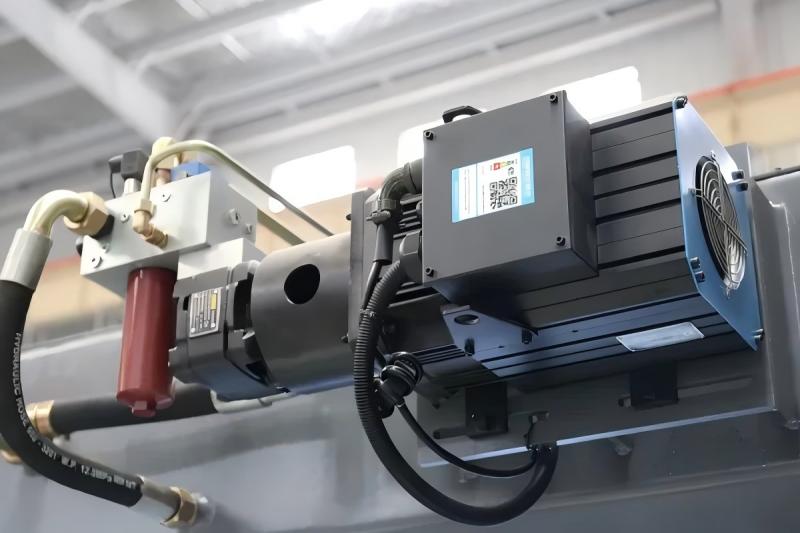
One of the most critical parts of Servo Press Brake Maintenance is the servo motor and drive system. I always start by checking whether the servo motors show abnormal noise, vibration, or temperature rise during operation. These symptoms often indicate bearing wear, misalignment, or overload conditions. Drive units should also be inspected for warning codes, loose terminals, and signs of overheating, as unstable power supply or loose wiring can directly affect positioning accuracy.
Check Power Supply and Electrical Connections
Stable electrical power is essential for servo-controlled machines. During maintenance, I check cabinet wiring, grounding points, and terminal blocks to ensure there are no loose connections or oxidation. Even minor voltage fluctuations can lead to positioning drift or sudden machine stops. Keeping the electrical system clean and dry helps prevent signal interference and improves long-term reliability.
Mechanical Structure Inspection for Servo Press Brake Maintenance
Frame, Ram, and Guide Rail Condition
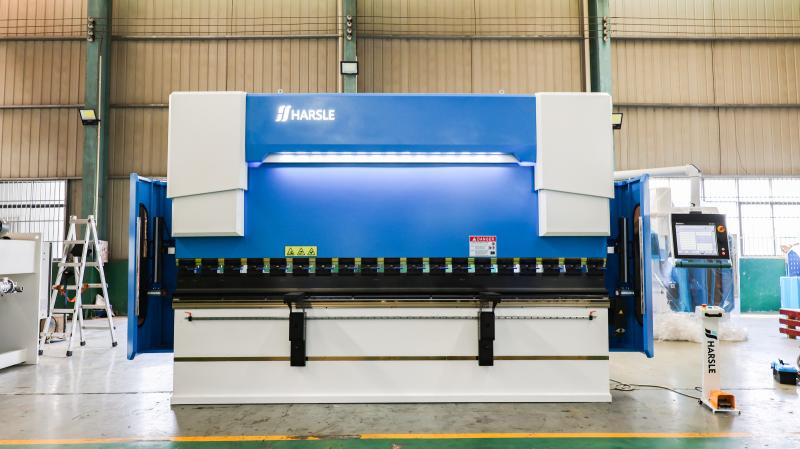
Although servo press brakes rely heavily on electrical systems, mechanical integrity still plays a major role. I regularly inspect the machine frame and ram for abnormal wear, deformation, or unusual marks. Guide rails should move smoothly without jerking or resistance. Any mechanical friction will force the servo system to compensate, increasing motor load and reducing accuracy over time.
Linear Guides and Ball Screws Lubrication
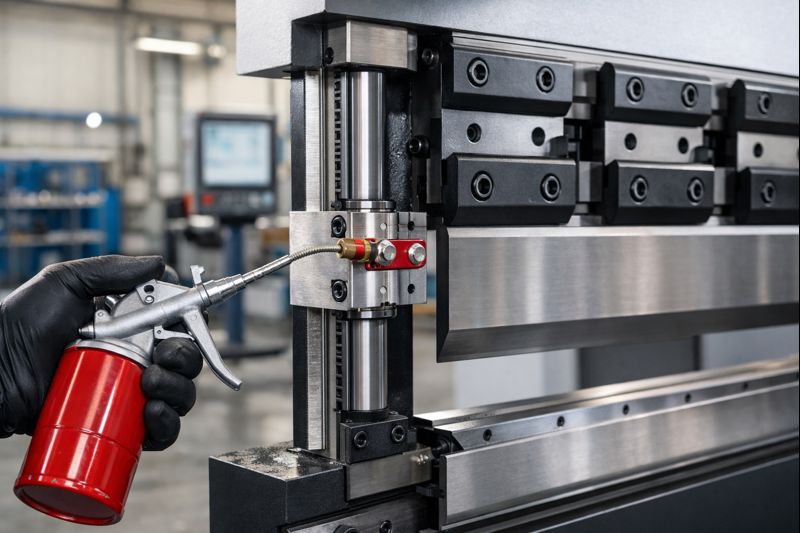
Proper lubrication is a key part of Servo Press Brake Maintenance. I check whether linear guides and ball screws are clean, evenly lubricated, and free from dust buildup. Dry or contaminated lubrication can cause uneven motion, positioning errors, and premature wear. Using the correct lubricant at the recommended intervals helps maintain smooth servo response and consistent bending depth.
Tooling and Clamping System Checks
Upper and Lower Tool Alignment
Tool alignment directly affects bending accuracy. During maintenance, I verify that upper and lower tools are properly seated, free from burrs, and evenly clamped. Misaligned tooling increases servo load and can cause angle inconsistency across the bending length. This is especially important for high-precision or thin-sheet applications where tolerances are tight.
Tool Clamping Pressure and Repeatability
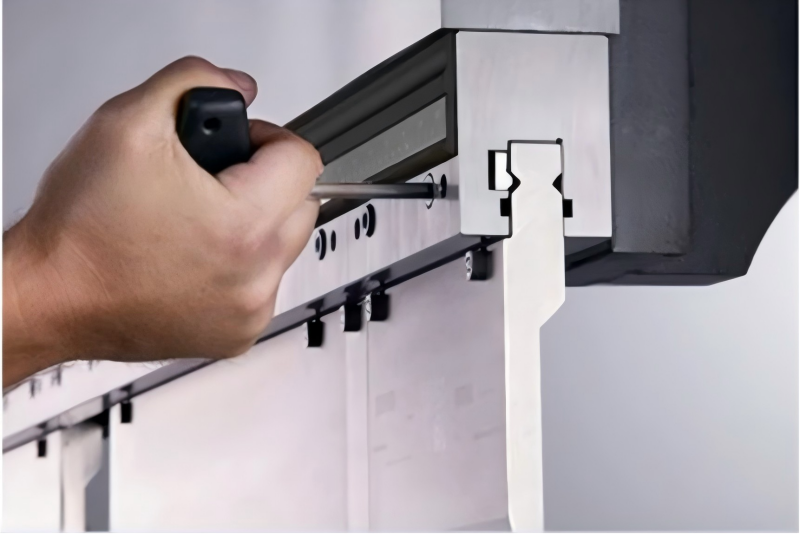
Servo press brakes rely on precise repeatability. I check that the clamping system holds tools securely without excessive force. Uneven or unstable clamping can cause micro-movements during bending, leading to dimensional variation and increased tool wear.
Backgauge System Inspection in Servo Press Brake Maintenance
Check Backgauge Axes Movement Accuracy
The backgauge system is another area I pay close attention to. Each axis should move smoothly and reach target positions accurately. I verify positioning repeatability by running test movements and checking for deviation. Any abnormal noise or delay usually points to lubrication issues, mechanical wear, or encoder signal problems.
Inspect Sensors and Limit Switches
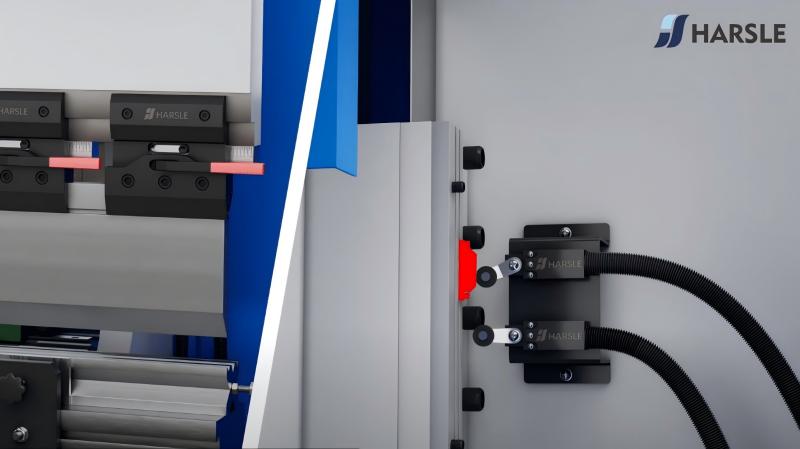
Sensors play a vital role in servo press brake safety and accuracy. During maintenance, I clean photoelectric sensors, proximity switches, and limit switches, ensuring they are correctly aligned and securely mounted. Dust or oil contamination can cause false signals, which may interrupt production or trigger unnecessary alarms.
Control System and Software Checks
Verify Servo Parameters and Calibration
Servo Press Brake Maintenance is not complete without checking control parameters. I review servo tuning settings, axis limits, and calibration values according to the machine’s operating condition. Incorrect parameters can lead to slow response, overshoot, or unstable motion. Periodic verification ensures the machine continues to match actual mechanical performance.
Backup Programs and System Data

I always recommend backing up machine programs, parameter files, and bending databases during maintenance. This simple habit prevents data loss caused by power failures or control system faults and allows fast recovery if software issues occur.
Cooling and Environmental Conditions
Cooling Fans and Heat Dissipation
Servo drives and motors generate heat, especially during continuous operation. I inspect cooling fans, air filters, and ventilation paths to ensure proper airflow. Blocked filters or failed fans can cause overheating, leading to reduced servo lifespan and unexpected shutdowns.
Workshop Environment Check
Environmental factors are often overlooked. I check that the workshop temperature, humidity, and cleanliness meet recommended conditions. Excessive dust, oil mist, or high humidity can negatively affect electrical components and sensor reliability.
FAQs
How often should Servo Press Brake Maintenance be performed?
I recommend daily visual checks, weekly cleaning and lubrication inspections, and a more detailed maintenance review every three to six months, depending on production intensity.
What causes positioning errors in servo press brakes?
Common causes include poor lubrication of ball screws, loose electrical connections, incorrect servo parameters, or sensor contamination.
Is Servo Press Brake Maintenance more complex than hydraulic press brake maintenance?
The process is different rather than more complex. Servo press brakes require more attention to electrical systems, software parameters, and motion components, while hydraulic machines focus more on oil, valves, and pressure stability.
Conclusion
Servo Press Brake Maintenance is not about complicated repairs, but about consistent, targeted checks that protect accuracy, stability, and machine lifespan. By regularly inspecting servo motors, mechanical components, backgauge systems, and control parameters, you can prevent small issues from turning into costly downtime. If you want more detailed maintenance guidance or need technical support for your servo press brake, feel free to contact the HARSLE team or explore our related documentation for deeper insights.


