


Press Brake Ram Synchronization problems often reveal themselves through uneven bending angles, inconsistent Y1 and Y2 movement, or repeated alarm messages on the CNC controller. I’ve seen this issue occur in both new and long-running machines, and when it’s ignored, it directly affects bending precision, tooling lifespan, and overall production stability. In this article, I’ll walk you through the main causes of Press Brake Ram Synchronization failure, how to diagnose the root cause step by step, and what practical measures you can take to restore smooth and accurate operation.
Understanding How Press Brake Ram Synchronization Works
Before troubleshooting, I always make sure the operator understands how synchronization functions in a modern CNC press brake.
Y1 and Y2 Axis Control in CNC Press Brakes
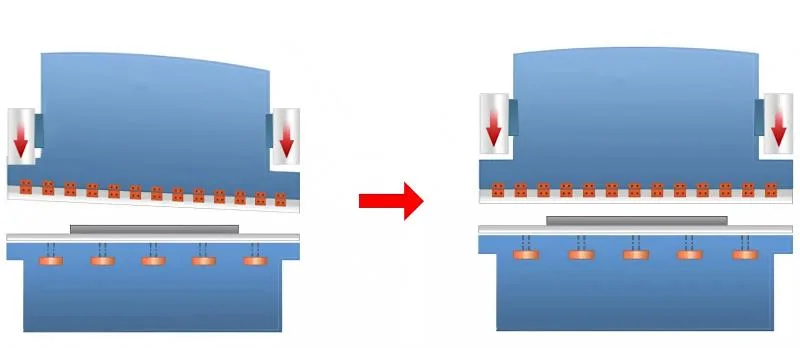
In most hydraulic CNC press brakes, the ram is controlled by two independent cylinders—left (Y1) and right (Y2). A CNC controller continuously monitors position feedback from linear encoders and adjusts proportional valves to maintain perfect parallel movement.
If the synchronization system fails, the ram tilts slightly during bending, causing:
- Angle deviation
- Tooling uneven wear
- Frame stress concentration
Understanding this system helps diagnose Press Brake Ram Synchronization problems accurately instead of guessing.
Hydraulic Causes of Press Brake Ram Synchronization Failure
Hydraulic instability is one of the most common causes I encounter.
Uneven Hydraulic Pressure Between Cylinders
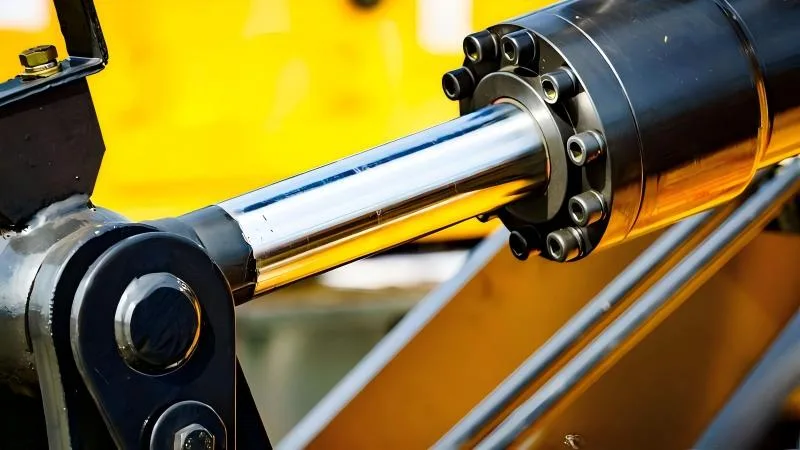
If one hydraulic cylinder receives slightly lower pressure than the other, the ram cannot remain parallel. This may result from:
- Worn hydraulic seals
- Internal leakage
- Blocked hydraulic valves
To diagnose this, I recommend checking system pressure on both sides using calibrated gauges. If pressure imbalance is detected, inspect seals and proportional valves immediately.
Contaminated Hydraulic Oil
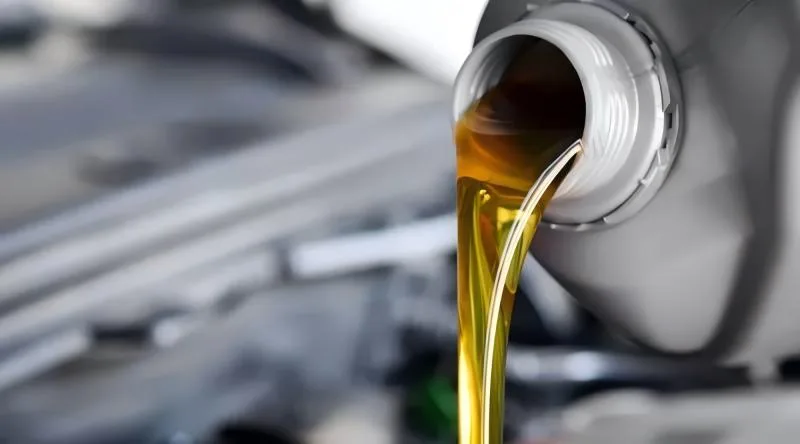
Dirty oil affects proportional valve precision. Even small particles can disrupt valve response speed, causing delayed correction between Y1 and Y2.
Regular oil filtration and scheduled oil replacement are essential to prevent Press Brake Ram Synchronization failure caused by hydraulic contamination.
Linear Encoder and Feedback System Errors
Accurate feedback is critical for synchronization.
Linear Scale Misalignment or Damage
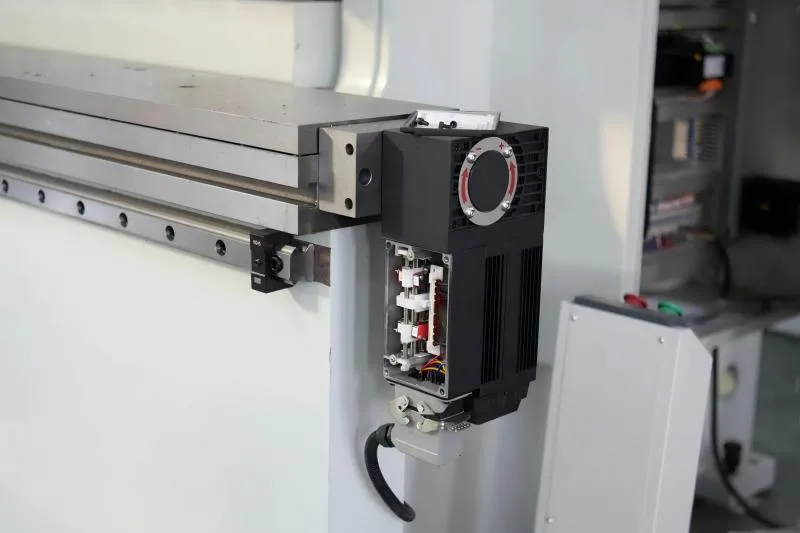
If a linear encoder becomes loose, misaligned, or contaminated with dust, it may send incorrect position signals to the CNC system. This causes the controller to overcorrect or undercorrect ram position.
When troubleshooting, I always:
- Inspect the encoder mounting brackets
- Clean the scale surface carefully
- Check for physical damage
Replacing damaged encoders often resolves synchronization errors immediately.
Electrical Interference in Feedback Signals
Poor grounding or damaged cables may cause unstable signal transmission. This leads to:
- Sudden ram jerks
- Synchronization alarm codes
- Position drift
Shielded cables and proper grounding are crucial in high-precision CNC press brake systems.
Mechanical Structure and Frame Deformation Issues
Sometimes the problem is not hydraulic or electrical—it’s structural.
Frame Deformation Under Heavy Load
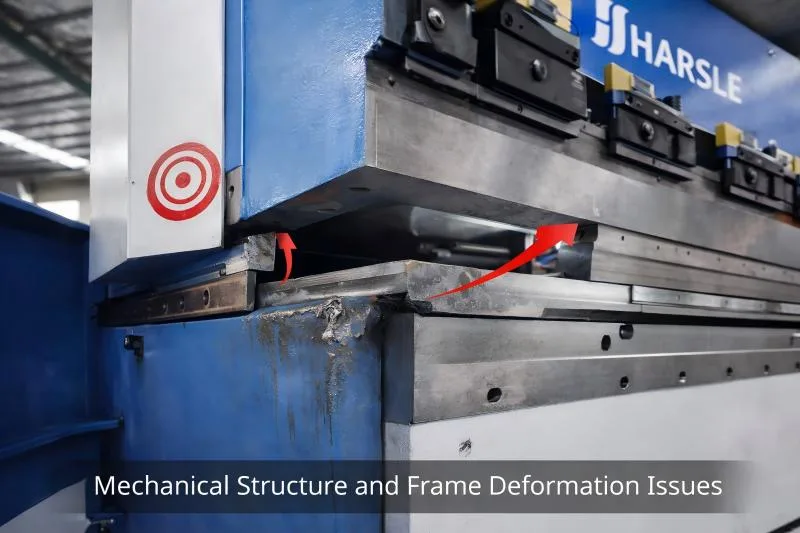
If a press brake frequently bends near maximum tonnage without proper crowning adjustment, frame deformation can occur. Over time, this affects parallelism and results in apparent Press Brake Ram Synchronization issues.
Checking frame alignment with precision measuring tools helps determine whether structural stress is the root cause.
Guide Rail and Ram Wear
Excessive wear on guide rails can cause mechanical resistance on one side of the ram. This uneven friction leads to synchronization instability.
Routine lubrication and inspection of sliding surfaces are necessary to prevent this mechanical imbalance.
CNC Parameter and Calibration Problems
In some cases, synchronization failure is caused by incorrect system settings rather than hardware damage.
Incorrect Y1/Y2 Calibration
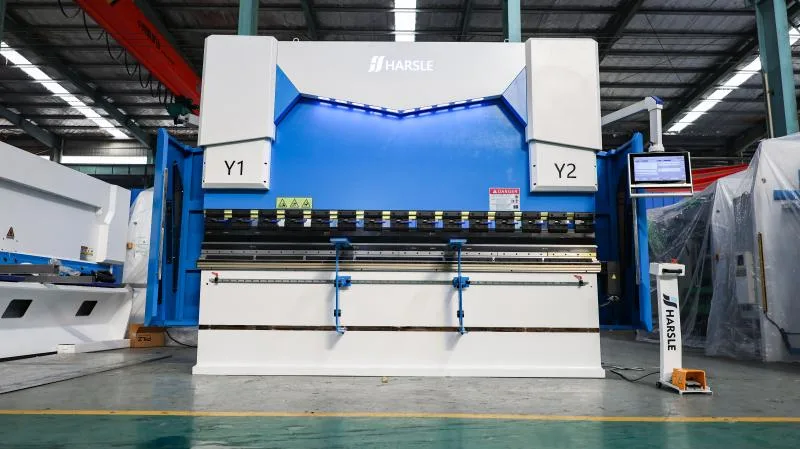
If you recently replaced components or updated the controller, recalibration may be required. I recommend performing:
- Reference point return procedure
- Parallelism calibration
- Crowning compensation setup
Learning how to calibrate a CNC press brake correctly can eliminate many synchronization alarms.
Parameter Misconfiguration After Maintenance
Improper parameter changes in the CNC system may alter synchronization response speed or tolerance range.
Always back up parameters before adjustments and follow manufacturer guidelines carefully.
Step-by-Step Troubleshooting Guide for Press Brake Ram Synchronization
When I handle synchronization problems, I follow a structured process:
Step 1 – Check Hydraulic Pressure Balance
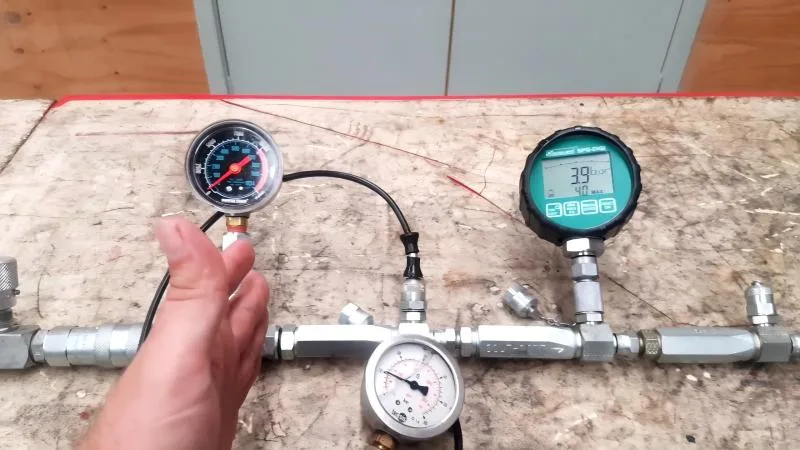
Measure pressure on both cylinders and compare readings during bending. Look for internal leakage signs.
Step 2 – Inspect Linear Encoders and Wiring
Verify encoder cleanliness, cable integrity, and grounding quality.
Step 3 – Examine Mechanical Alignment
Check guide rail lubrication and inspect for abnormal friction or deformation.
Step 4 – Recalibrate the CNC System
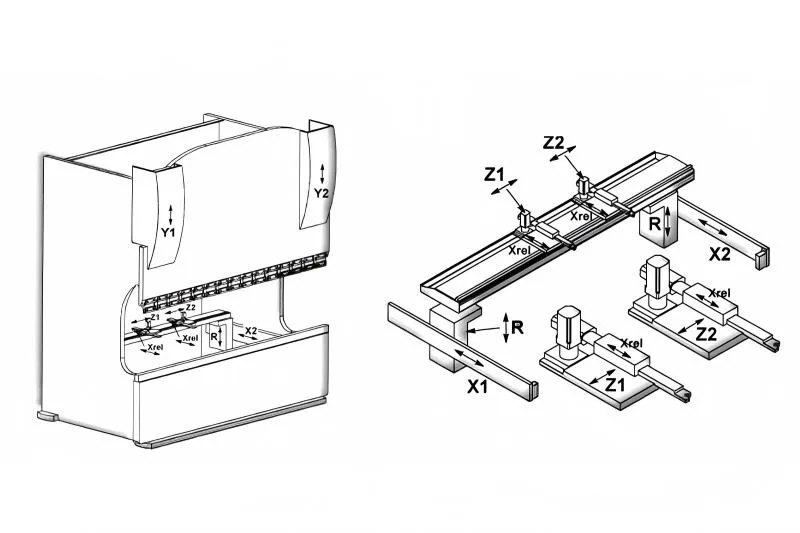
Perform full Y-axis calibration and confirm parallel movement at multiple stroke positions.
Following these steps prevents unnecessary part replacement and saves downtime.
FAQs
What is the most common cause of Press Brake Ram Synchronization failure?
In my experience, hydraulic pressure imbalance and encoder misalignment are the most frequent causes.
Can poor maintenance cause Press Brake Ram Synchronization issues?
Absolutely. Contaminated oil, loose wiring, and lack of lubrication significantly increase synchronization risks.
How do I know if my synchronization problem is mechanical or hydraulic?
Start by measuring hydraulic pressure. If pressure is stable, inspect mechanical wear and encoder signals next.
Does recalibration solve synchronization errors?
In many cases, yes. Proper Y1/Y2 calibration and parameter adjustment can restore stable ram movement.
Conclusion
Press Brake Ram Synchronization failure is usually not caused by a single issue—it often results from hydraulic imbalance, encoder errors, mechanical wear, or improper calibration. From my practical experience, early diagnosis and structured troubleshooting make all the difference in restoring bending precision.
By maintaining clean hydraulic systems, protecting feedback components, ensuring proper lubrication, and performing regular calibration, you can significantly reduce synchronization risks and extend machine life.
If you’re facing persistent synchronization problems or need technical support, I recommend contacting a professional service team for detailed inspection and calibration assistance. Proper attention today will prevent costly downtime tomorrow.


