


Press Brake Oil Leakage is one of the most common issues operators notice when they find oil stains around a press brake. In many situations, this problem begins as a small leak that can be identified and fixed early if the correct inspection steps are followed. From my experience working with hydraulic press brakes in real production environments, oil leakage is often caused by worn seals, loose hydraulic fittings, or contaminated hydraulic oil. In this article, I’ll share practical troubleshooting methods I use to diagnose Press Brake Oil Leakage, explain the typical causes behind it, and show how to locate the exact leak point before it turns into a serious hydraulic system failure.
Common Causes of Press Brake Oil Leakage
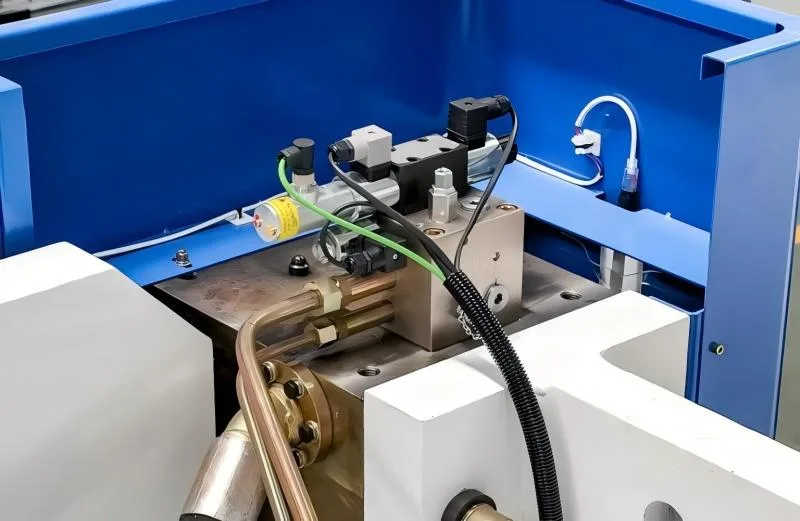
Before beginning troubleshooting, I always try to understand the possible sources of oil leakage in a hydraulic press brake system. The hydraulic system operates under high pressure, so even a minor defect can lead to visible leakage.
Worn Hydraulic Cylinder Seals
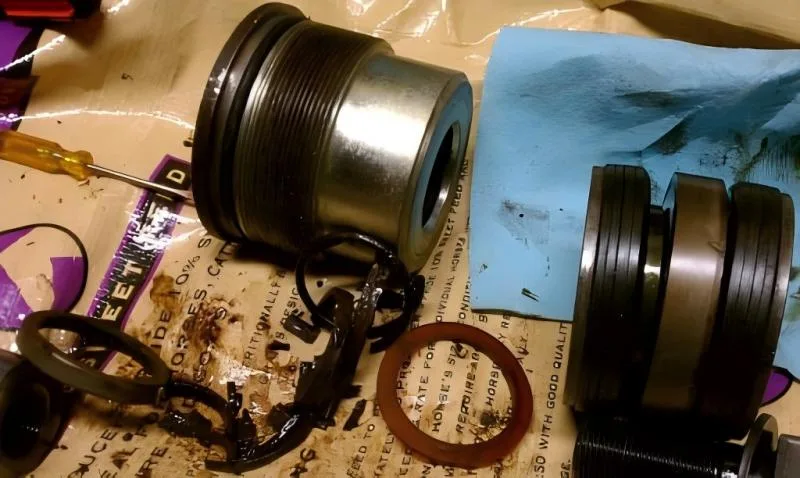
One of the most frequent causes of Press Brake Oil Leakage is worn cylinder seals. Over time, seals experience friction and pressure cycles during ram movement.
Typical signs include:
- Oil appearing around the cylinder rod
- Gradual pressure loss during bending
- Oil residue on the ram surface
When I see these symptoms, I usually inspect the cylinder rod condition and confirm whether the seal needs replacement.
Loose Hydraulic Pipe Fittings
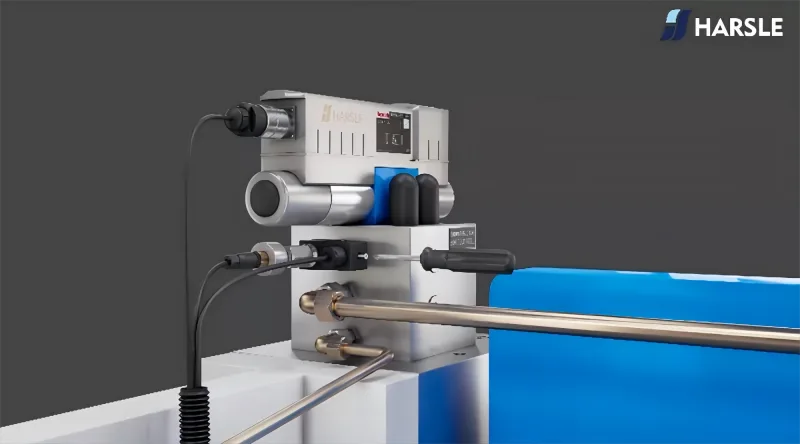
Another common problem is loose fittings in hydraulic pipelines. Vibrations during machine operation can slowly loosen connectors.
This may lead to:
- Oil drops forming at pipe joints
- Slight pressure fluctuations
- Oil stains around connectors
Tightening fittings and inspecting sealing rings often resolves this issue quickly.
Damaged Hydraulic Hoses
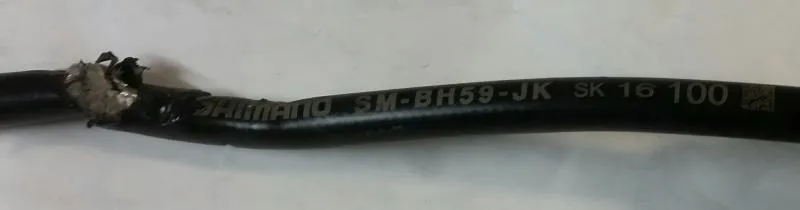
Hydraulic hoses may crack or degrade due to aging, heat exposure, or bending stress. When this happens, oil leakage may appear as a fine spray or slow seepage.
In my maintenance routine, I always inspect hoses for:
- Surface cracks
- Bulging sections
- Oil moisture around hose surfaces
Replacing damaged hoses prevents sudden hydraulic failure.
Step-by-Step Guide to Troubleshoot Press Brake Oil Leakage
When troubleshooting oil leakage, I follow a systematic process to locate the exact problem area.
Step 1: Clean the Hydraulic Area
The first step I always take is cleaning the hydraulic components. Dust and oil residue can hide the real leak source.
I use a clean cloth to wipe:
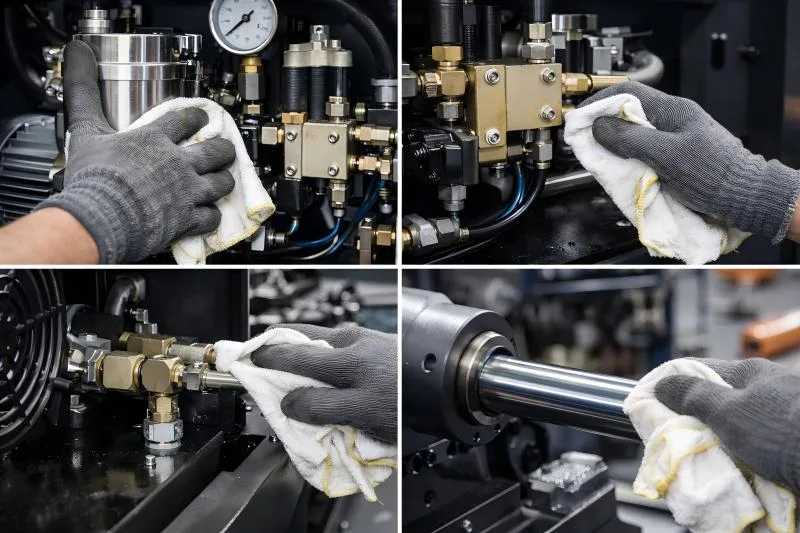
- Hydraulic pumps
- Oil valves
- Pipe joints
- Cylinder surfaces
Once the area is clean, fresh oil traces become easier to detect.
Step 2: Run the Machine and Observe Leak Points
After cleaning, I operate the press brake for several bending cycles.
During operation, I carefully observe:
- Cylinder rod movement
- Hydraulic pipe connections
- Valve blocks and pressure regulators
If Press Brake Oil Leakage occurs, fresh oil will appear quickly around the leaking component.
Step 3: Check Hydraulic Pressure Stability
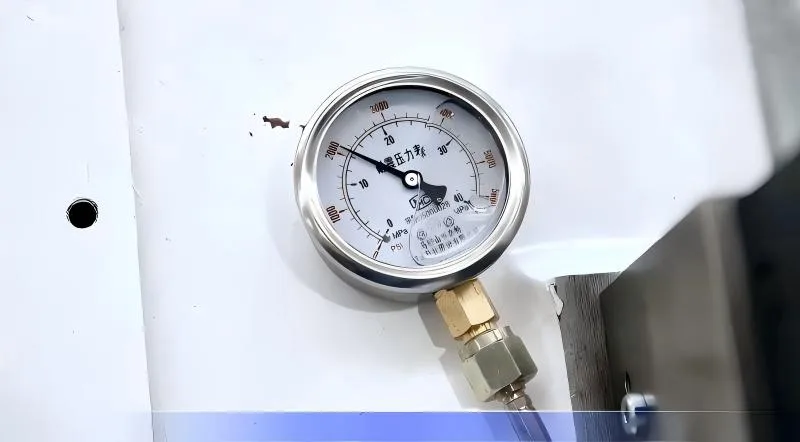
Pressure instability often indicates internal leakage inside valves or cylinders.
I usually monitor:
- Hydraulic pressure gauge readings
- Ram movement smoothness
- Oil temperature changes
If pressure drops unexpectedly, internal seal wear may be the cause.
Step 4: Inspect Hydraulic Oil Quality
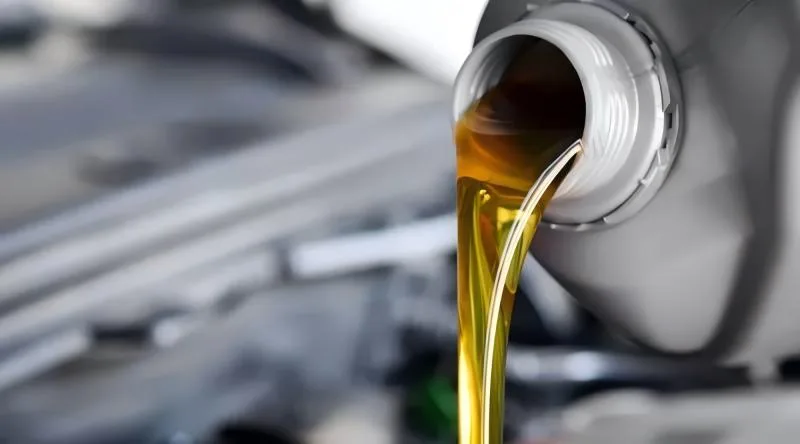
Contaminated oil can damage seals and valves, leading to leakage.
I check hydraulic oil for:
- Metal particles
- Dark coloration
- Water contamination
Replacing contaminated oil and filters often prevents further leakage problems.
Preventive Measures to Avoid Press Brake Oil Leakage
After fixing the leakage, the next step is preventing it from happening again.
Routine Hydraulic System Inspection
I recommend inspecting the hydraulic system regularly. A quick weekly inspection can detect early leakage signs before they worsen.
Important checks include:
- Cylinder seal condition
- Pipe joint tightness
- Hose surface integrity
- Oil level and cleanliness
Proper Hydraulic Oil Maintenance
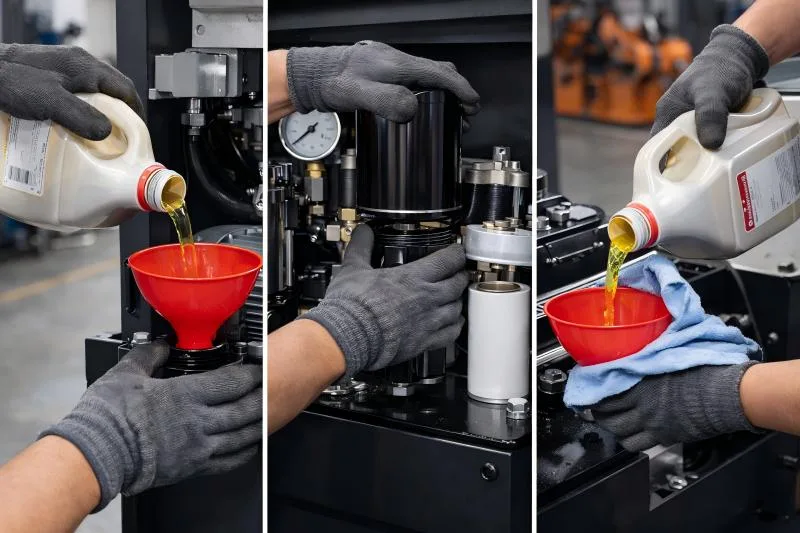
Hydraulic oil plays a critical role in system reliability. Poor oil maintenance accelerates seal wear and valve damage.
Good maintenance practices include:
- Replacing oil according to operating hours
- Changing hydraulic filters regularly
- Avoiding contamination during oil refilling
These steps significantly reduce the risk of Press Brake Oil Leakage.
Maintain Stable Working Temperature
Excessive oil temperature can degrade seals and hoses.
I always ensure:
- Cooling systems are functioning properly
- Ventilation around the hydraulic unit is clear
- Oil temperature stays within recommended limits
Stable temperature improves hydraulic component lifespan.
Press Brake Oil Leakage Troubleshooting Checklist
To simplify troubleshooting, I usually follow this quick checklist:
- Clean hydraulic components and remove old oil residue
- Run the machine and locate fresh leakage points
- Check hydraulic cylinder seals and rod surfaces
- Inspect pipe fittings and tighten connections
- Examine hydraulic hoses for cracks or swelling
- Verify hydraulic oil quality and replace if necessary
Following this process helps identify the exact source of leakage quickly and safely.
FAQs
What is the most common cause of Press Brake Oil Leakage?
In my experience, worn hydraulic seals and loose pipe fittings are the most frequent causes of oil leakage in press brake hydraulic systems.
Can Press Brake Oil Leakage affect bending accuracy?
Yes. Hydraulic pressure loss caused by oil leakage can lead to unstable ram movement, inconsistent bending angles, and reduced machine performance.
How often should I inspect my press brake hydraulic system?
I recommend performing visual inspections weekly and conducting more detailed hydraulic maintenance every few months depending on machine usage.
Is it safe to operate a press brake with minor oil leakage?
It is not recommended. Even small leaks can grow quickly under hydraulic pressure and may damage other components if ignored.
Conclusion
Troubleshooting Press Brake Oil Leakage requires careful inspection and a systematic approach. By cleaning the hydraulic system, observing leak points during operation, checking pressure stability, and inspecting oil quality, I can usually locate the exact cause of the problem quickly.
Regular hydraulic maintenance, proper oil management, and routine inspections are the best ways to prevent oil leakage and keep a press brake running reliably. If you encounter persistent hydraulic issues or need professional assistance, our technical team is always ready to provide expert support and maintenance guidance for your press brake system.


