


When I see an abnormal Press Brake Pressure Gauge reading during operation, it usually signals that something in the hydraulic system is not working as it should. The pressure gauge is one of the most important indicators of a press brake’s hydraulic health, because it directly reflects the working pressure generated by the pump and transmitted to the cylinders. If the reading fluctuates, shows unusually low pressure, or rises beyond the expected range, it can affect bending force, machine stability, and even production safety. In this article, I’ll explain the most common reasons why a Press Brake Pressure Gauge reading becomes abnormal, how to diagnose the problem step by step, and what actions you can take to restore normal operation.
Understanding the Role of the Press Brake Pressure Gauge
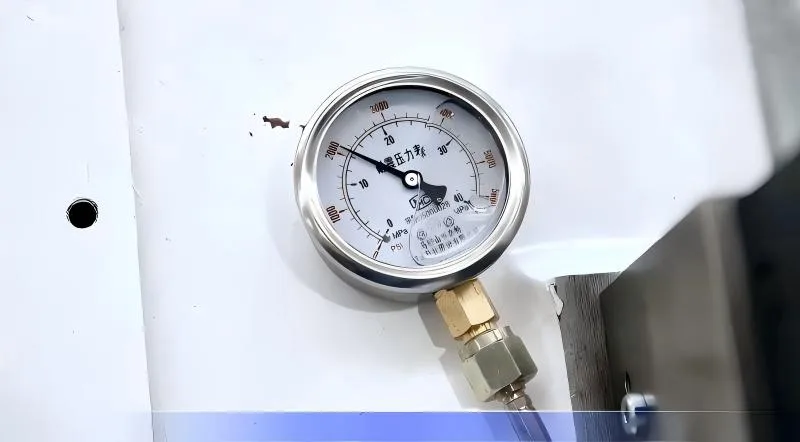
Before troubleshooting the issue, I always start by understanding what the pressure gauge actually tells us. The Press Brake Pressure Gauge measures the hydraulic pressure inside the system, which determines the tonnage available for bending metal sheets.
If the pressure value is incorrect, the machine may experience:
- Insufficient bending force
- Inconsistent bending angles
- Sudden hydraulic pressure drops
- Unstable ram movement
For example, when bending thick steel plates, the hydraulic pressure must reach a certain level to generate enough tonnage. If the pressure gauge shows lower-than-normal readings, the machine will struggle to complete the bend.
Because of this, monitoring the pressure gauge is a key part of routine press brake maintenance.
Common Causes of Abnormal Press Brake Pressure Gauge Readings
There are several mechanical and hydraulic reasons why a Press Brake Pressure Gauge may show abnormal values. In my experience, the problem usually comes from the hydraulic system.
Hydraulic Pump Wear or Malfunction
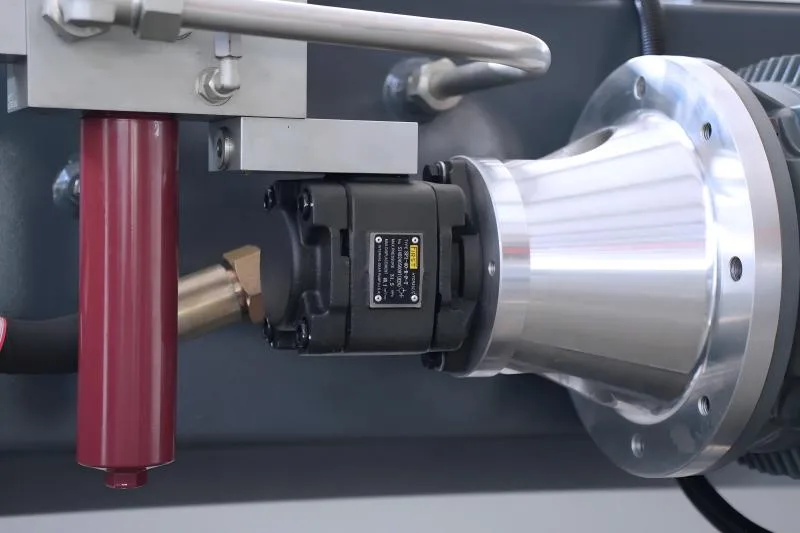
One of the most frequent causes is hydraulic pump wear. Over time, the internal components of the pump lose efficiency.
When the pump is worn, you may notice:
- Pressure cannot reach the required value
- Pressure increases slowly
- Fluctuating gauge readings during operation
To diagnose this, I usually check whether the pump is generating stable pressure under load. If the pump is severely worn, replacement may be necessary.
Hydraulic Oil Contamination

Dirty or degraded hydraulic oil can also cause abnormal pressure readings.
Contaminated oil may lead to:
- Blocked hydraulic valves
- Unstable pressure control
- Delayed system response
If the oil appears dark, cloudy, or contains metal particles, it’s a clear sign that the hydraulic oil needs replacement. Regular oil filtration and scheduled oil changes help prevent this issue.
Faulty Pressure Relief Valve Adjustment
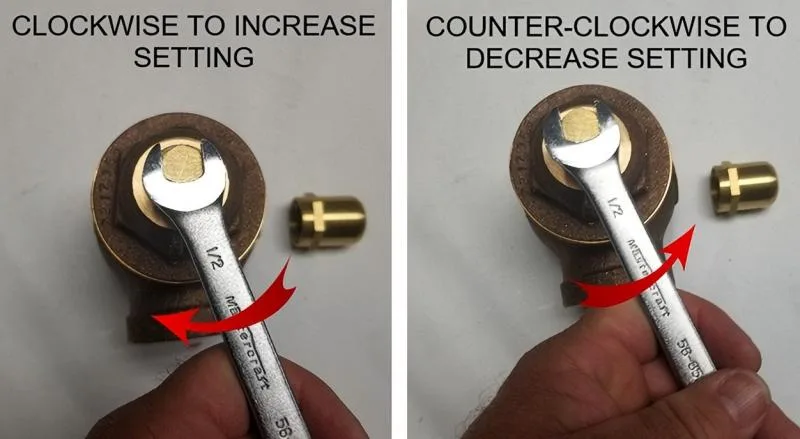
The pressure relief valve controls the maximum pressure in the system. If it is set incorrectly, the Press Brake Pressure Gauge will display abnormal values.
Common symptoms include:
- Pressure too low for bending operations
- Pressure exceeding normal safety limits
- Sudden pressure drops when the ram moves
To solve this problem, I usually check the relief valve setting according to the machine’s hydraulic specifications.
Mechanical and Sensor Issues Affecting Pressure Gauge Accuracy
Sometimes the hydraulic system is functioning normally, but the gauge reading is still abnormal. In those cases, the issue may come from the measuring components.
Damaged or Inaccurate Pressure Gauge
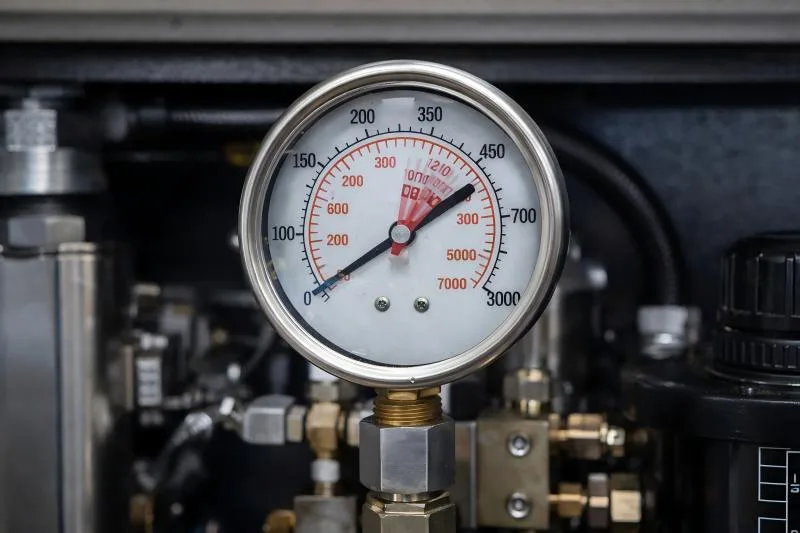
Pressure gauges are mechanical instruments that can wear out or become inaccurate after long-term use.
Signs of a faulty gauge include:
- The needle does not return to zero
- Readings jump suddenly
- Pressure values remain unchanged during operation
Replacing the pressure gauge is often the simplest solution when measurement accuracy becomes questionable.
Blocked Pressure Gauge Connection Port
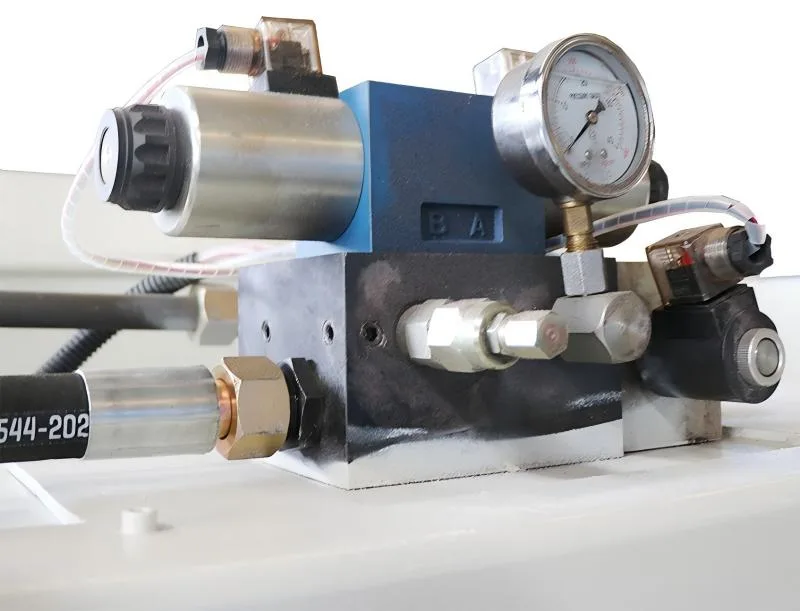
Another issue I occasionally encounter is blockage in the gauge connection port.
Hydraulic debris or oil sludge can block the passage leading to the gauge, causing:
- Slow pressure response
- Incorrect pressure display
- Delayed gauge movement
Cleaning the connection port and checking hydraulic lines usually solves this problem.
Step-by-Step Troubleshooting for Press Brake Pressure Gauge Problems
When diagnosing abnormal Press Brake Pressure Gauge readings, I prefer to follow a systematic inspection process.
Step 1: Inspect the Hydraulic Oil Condition
Start by checking the oil level and oil quality in the hydraulic tank. If the oil is contaminated or below the recommended level, replace or refill it.
Step 2: Check the Pressure Relief Valve
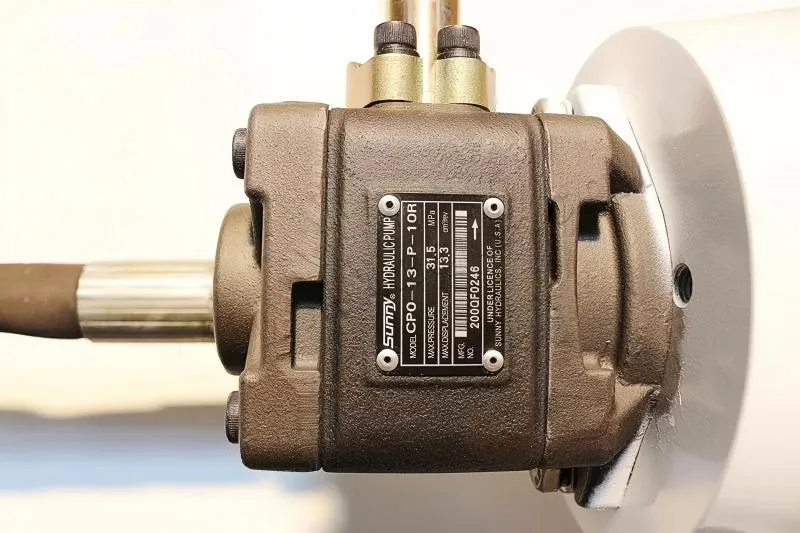
Verify that the relief valve is set to the correct pressure value specified by the manufacturer. Improper adjustment can directly affect the gauge reading.
Step 3: Inspect the Hydraulic Pump
Listen for unusual noise and monitor pressure stability while the machine is running. Inconsistent pressure often indicates pump wear.
Step 4: Test the Pressure Gauge Accuracy
If all hydraulic components appear normal, test the pressure gauge using a calibrated pressure measurement device. Replace the gauge if necessary.
FAQs
What does the Press Brake Pressure Gauge measure?
The Press Brake Pressure Gauge measures hydraulic pressure in the system, which determines the bending force generated by the machine.
Why does my press brake pressure fluctuate during operation?
Pressure fluctuation is usually caused by hydraulic pump wear, oil contamination, or improper relief valve settings.
How often should I check the Press Brake Pressure Gauge?
It is recommended to inspect the pressure gauge during daily machine checks and verify its accuracy during scheduled maintenance.
Can a faulty pressure gauge affect bending accuracy?
Yes. Incorrect pressure readings may lead operators to apply the wrong settings, resulting in inconsistent bending results.
Conclusion
An abnormal Press Brake Pressure Gauge reading is often a warning sign that the hydraulic system requires attention. Issues such as hydraulic pump wear, contaminated oil, incorrect relief valve settings, or a faulty gauge can all affect pressure stability and bending performance.
From my experience working with press brakes, early diagnosis is the best way to prevent costly downtime and production errors. By regularly inspecting hydraulic components, monitoring pressure readings, and following a structured maintenance routine, you can keep your press brake operating safely and efficiently.
If you encounter persistent pressure gauge issues or need professional support with press brake troubleshooting, our engineering team is always ready to help you find the right solution.


