


If you’re trying to figure out the correct way to apply the ESA S875 DIN Stretch Formula for your bending projects, you’ve come to the right place. Mastering this specific calculation can often feel complex, but getting it right is essential for achieving precise and consistent results. In this guide, I’ll walk you through the exact steps to select and implement the ESA S875 DIN Stretch Formula effectively. Whether you’re a seasoned operator or just getting started, this article will provide the clarity you need to ensure accuracy in every bend.
Understanding the ESA S875 DIN Stretch Formula Basics
Before diving into the selection process, it is essential to understand what the ESA S875 DIN Stretch Formula actually does. This specific calculation method determines how much material stretching occurs during the bending process, which directly impacts final bend dimensions. Accurate stretch calculation is the difference between a perfect bend and a costly mistake.
The ESA S875 DIN Stretch Formula follows specific German industrial standards that prioritize precision and repeatability. Many operators overlook this fundamental aspect, but taking time to understand the formula’s components will save hours of troubleshooting later. Mastering this calculation begins with recognizing when the standard DIN approach is appropriate and when modifications might be necessary.
When to Select the ESA S875 DIN Stretch Formula
Identifying Suitable Applications for DIN Formula Usage
Not every bending scenario requires the ESA S875 DIN Stretch Formula. This standard calculation works best for conventional bending operations with standard tooling and materials. When working with common sheet metals and typical bend angles, selecting the DIN formula provides reliable, consistent results.
The machine interface makes this selection straightforward. To activate the ESA S875 DIN Stretch Formula, set the generic stretch formula parameter to 1. This field is readily accessible from the User Parameters mask, specifically screen 4, allowing operators to make adjustments without diving deep into protected system settings. This accessibility enables switching between calculation methods as project requirements change throughout the workday.
Navigating the User Parameters for Formula Selection
Accessing the correct parameters requires familiarity with the machine’s control interface. To select the ESA S875 DIN Stretch Formula, navigate to the User Parameters section and locate the stretch formula field. Setting this value to 1 engages the standard DIN calculation method immediately.
For operators new to this process, consult the machine’s parameter manual before making changes. The documentation provides valuable insights into various application methods for the internal radius, which directly affects how the ESA S875 DIN Stretch Formula performs in different scenarios. Understanding these relationships helps anticipate how formula selection impacts finished parts.
Verifying Program After Formula Selection
Performing Automatic Program Checks
Once the ESA S875 DIN Stretch Formula has been selected and any necessary parameter adjustments have been made, the next critical step involves program verification. Pressing the appropriate key to bring axes into position initiates an automatic program check. This built-in safety feature scans for errors that might result from formula selection or parameter changes.
During these checks, the control system evaluates whether the ESA S875 DIN Stretch Formula calculations align with the current machine setup and program parameters. If the system detects inconsistencies, it generates specific error messages and maintains a semiautomatic STOP status. Close attention should be paid to these warnings rather than overriding them, as they often identify issues that would otherwise result in scrapped parts.
Troubleshooting Common Verification Errors
When error messages appear after selecting the ESA S875 DIN Stretch Formula, systematic troubleshooting saves time and material. The control system typically provides specific error codes that point to particular issues with your stretch calculations or program parameters. I keep a log of common errors and their resolutions, which has become an invaluable reference over time.
Executing the Self-Learning Procedure Effectively
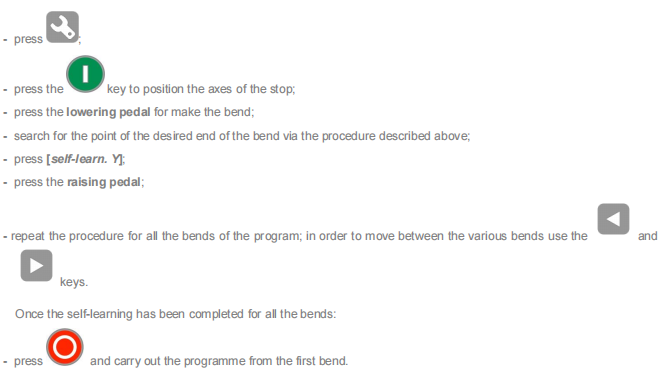
There are special situations in which it is not possible to use the bend height calculated by the numeric control for carrying out a bend (rounded punches, bends to mould, bends outside the cavity, etc…).
In these circumstances it is helpful to use the self-learning cycle of the bend height you want to make on the SEMIAUTOMATIC mask.
The procedure can be activated from the SEMIAUTOMATIC mask in the following manner:
Combining Standard Calculations with Operator Expertise
Mastering the ESA S875 DIN Stretch Formula is not just about knowing which parameter to change. True expertise comes from understanding when to rely on the standard calculation and when to supplement it with hands-on techniques like self-learning. The most efficient operators treat the formula as a starting point rather than an absolute answer, particularly when working with challenging materials or complex geometries.
The ESA S875 DIN Stretch Formula provides consistent, repeatable results for standard applications, saving significant time compared to manual calculation methods. By understanding both its strengths and limitations, higher quality parts can be produced with less scrap and fewer adjustments. Whether programming a simple bracket or a complex assembly, taking time to properly select and verify the stretch calculation method pays dividends in finished part quality and production efficiency.
Regular practice with both the standard formula and the self-learning cycle builds the intuitive understanding that separates good operators from great ones. Every operator should experiment with different materials and bend configurations while carefully documenting how the ESA S875 DIN Stretch Formula performs in each scenario. This personal knowledge base becomes increasingly valuable as more challenging projects and tighter tolerances are tackled.
Frequently Asked Questions(FAQ)
What exactly is the ESA S875 DIN Stretch Formula and when should I use it?
The ESA S875 DIN Stretch Formula is a standardized calculation method derived from German industrial standards that determines material stretching during bending operations. This formula is recommended for conventional bending applications with standard tooling and common materials. It is particularly effective when consistent, repeatable results are needed across multiple parts. The formula automatically calculates stretch based on material properties, bend angle, and tooling geometry, eliminating manual calculations.
How do I actually select the ESA S875 DIN Stretch Formula on my machine control?
Selecting the ESA S875 DIN Stretch Formula is straightforward. Navigate to the User Parameters mask, typically screen 4 on most controls, and locate the generic stretch formula parameter field. Simply set this value to 1 to activate the standard DIN calculation. This field remains accessible to operators, allowing switching between calculation methods as project requirements change throughout the day.
Conclusion
Proper selection and application of the ESA S875 DIN Stretch Formula are essential for achieving accurate and consistent bending results. By following the guidelines outlined in this article—accessing the User Parameters mask, setting the generic stretch formula parameter to 1, verifying programs through automatic checks, and utilizing the self-learning cycle for complex bends—operators can minimize errors and improve production efficiency. Understanding when to rely on the standard DIN calculation and when to supplement it with hands-on refinement ensures optimal performance across a wide range of bending applications.
Regular practice with both the formula and the self-learning procedure builds the expertise needed to tackle challenging geometries and tight tolerances with confidence. For detailed support regarding machine-specific parameters, advanced applications, or troubleshooting assistance, please contact our technical support team. Additional resources, including comprehensive parameter manuals and technical documentation, are available for download through our customer portal.


