


Press Brake Low Pressure Issues often appear when your machine fails to reach rated tonnage, produces inconsistent bends, or the ram slows down under load. In my experience working in real workshops, this problem is common but rarely requires major component replacement if diagnosed correctly. In this guide, I’ll explain step by step how I identify the root causes, inspect the hydraulic and electrical systems properly, and apply practical solutions to restore full pressure safely and efficiently.
Understanding Symptoms of Press Brake Low Pressure Issues
Before starting repairs, I always confirm the exact symptoms. Low pressure problems can appear in different ways depending on the machine configuration.
Insufficient Bending Force Under Load
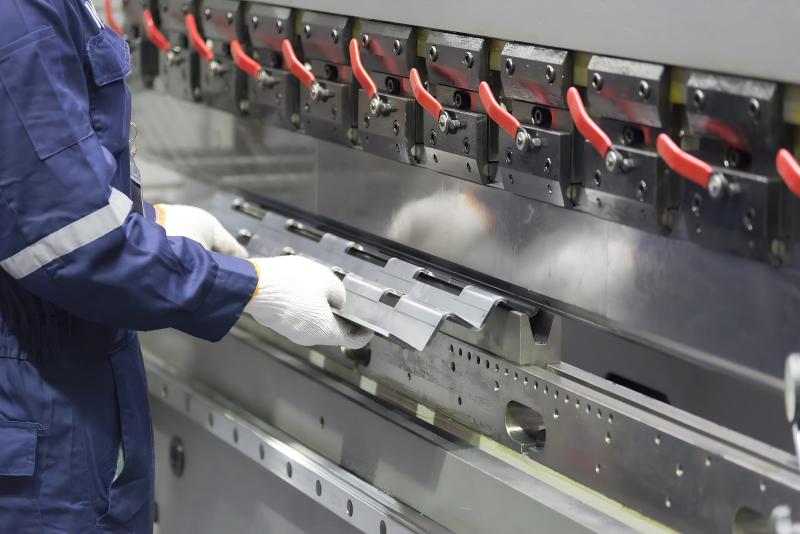
If the press brake cannot reach full tonnage during bending, the hydraulic system may not be building enough pressure. This often results in:
- Larger bending angles than programmed
- Material not fully formed
- Overcompensation attempts by the operator
Slow Ram Movement During Pressing
When the ram slows down excessively during the pressing phase, it may indicate internal leakage or insufficient pump output. This symptom is common in older hydraulic systems.
Pressure Gauge Reading Lower Than Set Value
On CNC press brakes, I always compare the actual pressure gauge reading with the set value in the controller. A clear deviation is one of the first signs of Press Brake Low Pressure Issues.
Step-by-Step Hydraulic System Inspection
Most low pressure problems originate in the hydraulic system. I recommend checking components in a structured order.
Step 1: Check Hydraulic Oil Level and Quality

Low oil level is the simplest cause but often overlooked. I inspect:
- Oil level in the tank
- Oil color (dark or milky indicates contamination)
- Presence of air bubbles
If the oil level is too low, the pump may suck air, leading to unstable pressure. Refill with the correct hydraulic oil grade recommended by the manufacturer.
Step 2: Inspect Hydraulic Pump Performance
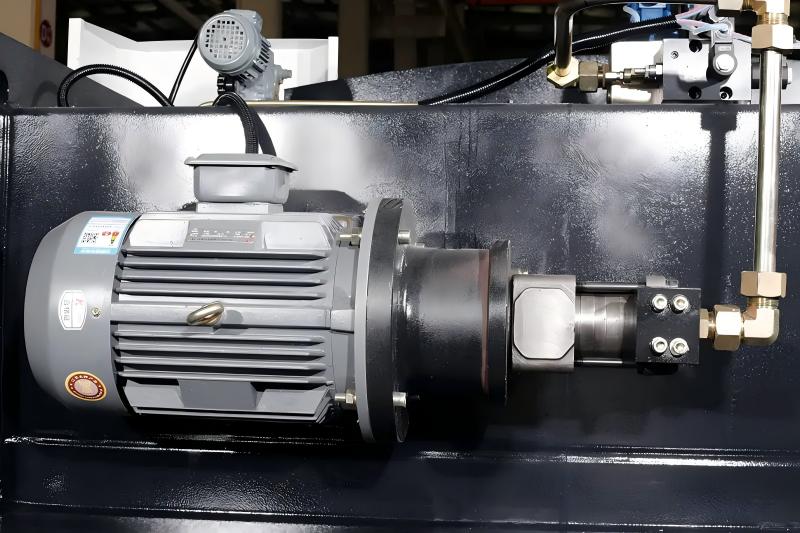
If oil level is normal, I test the hydraulic pump. Signs of pump wear include:
- Abnormal noise
- Excessive heat
- Pressure dropping under load
In some cases, worn internal pump components reduce flow rate, causing Press Brake Low Pressure Issues. A flow test may be necessary for accurate diagnosis.
Step 3: Examine Hydraulic Valves and Relief Valve Settings
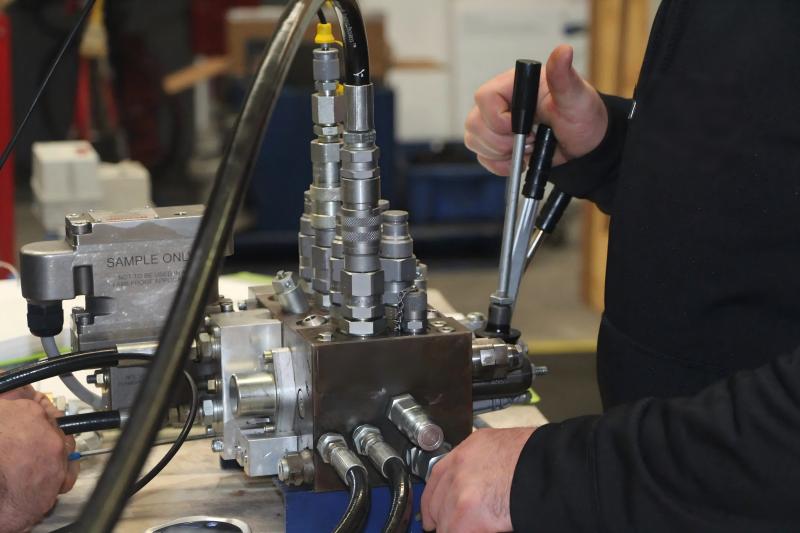
The relief valve directly controls maximum system pressure. If it is improperly adjusted or stuck open, the machine cannot build full pressure.
I usually:
- Verify relief valve setting against machine specification
- Check for valve blockage due to contamination
- Clean or recalibrate as needed
Incorrect relief valve adjustment is one of the most common causes of hydraulic pressure problems.
Checking for Internal Leakage in Hydraulic Cylinders
Internal leakage inside the main cylinders can significantly reduce pressure efficiency.
Identifying Cylinder Seal Wear
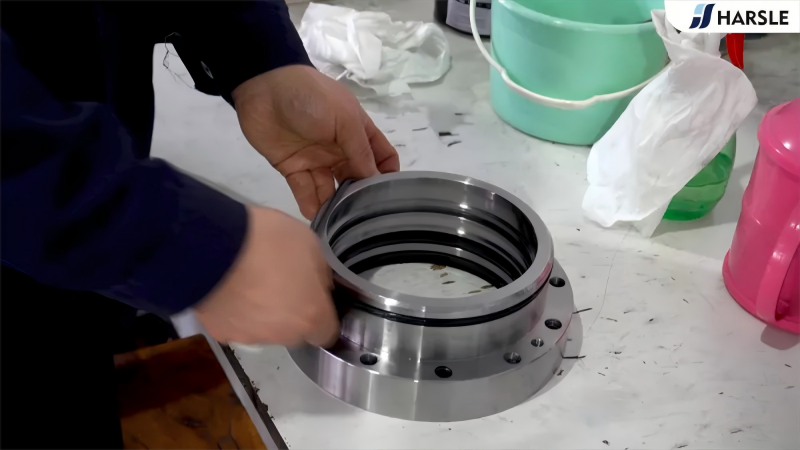
Worn seals allow oil to bypass internally. Symptoms include:
- Ram drifting when holding pressure
- Pressure dropping after reaching peak value
If I suspect seal failure, I conduct a pressure holding test. Replacing worn seals often restores full pressure performance.
Electrical and Control System Factors in CNC Press Brakes
Not all Press Brake Low Pressure Issues are purely hydraulic. Electrical control errors can also limit pressure output.
Pressure Sensor or Transducer Failure
Modern CNC systems rely on pressure sensors. If the sensor gives incorrect feedback:
- The controller may limit pressure output
- Alarm errors may appear
- Pressure values may fluctuate
I verify sensor calibration and check wiring connections inside the electrical cabinet.
Servo Drive or Motor Power Issues

In servo-hydraulic press brakes, insufficient motor output can cause reduced system pressure. I check:
- Motor current
- Drive parameters
- Electrical supply stability
Sometimes the issue is not mechanical but related to power supply fluctuations.
How Preventive Maintenance Prevents Low Pressure Problems
From experience, regular maintenance significantly reduces the occurrence of Press Brake Low Pressure Issues.
Routine Hydraulic Filter Replacement
Blocked filters restrict oil flow and reduce pump efficiency. Replacing filters according to schedule prevents contamination buildup.
Scheduled Oil Change and System Cleaning

Contaminated oil damages valves and seals over time. Keeping oil clean ensures stable pressure output and longer component lifespan.
Regular Inspection of Seals and Hoses
Small external leaks may indicate internal wear. Early replacement avoids larger hydraulic failures.
FAQs
What is the most common cause of Press Brake Low Pressure Issues?
In my experience, low hydraulic oil level, contaminated oil, or incorrect relief valve settings are the most common causes.
Can I adjust the relief valve myself to fix low pressure?
Yes, but it must be done carefully according to the machine’s rated pressure specification. Incorrect adjustment can damage the system.
How do I know if the hydraulic pump is worn out?
Signs include unusual noise, overheating, and inability to maintain pressure under load. A professional flow test confirms pump condition.
Do electrical problems cause low pressure in CNC press brakes?
Absolutely. Faulty pressure sensors, wiring issues, or servo drive problems can all lead to pressure limitations.
Conclusion
Press Brake Low Pressure Issues can seriously affect bending accuracy, production efficiency, and machine safety. However, by following a structured troubleshooting process—checking oil condition, inspecting the pump, verifying valve settings, testing cylinder seals, and reviewing electrical controls—you can quickly identify the root cause.
In my daily work with press brakes, I’ve learned that most low pressure problems are preventable with proper maintenance and regular inspections. If you need technical support, calibration guidance, or hydraulic system consultation, feel free to contact our team. We are always ready to help you restore full performance and keep your press brake running reliably.


