


Press Brake Electrical Failure is one of the most common reasons a press brake suddenly stops operating. When alarms appear on the controller or the machine refuses to start, many operators immediately assume the problem is serious. However, in my experience, most electrical issues can be identified and resolved by following a clear troubleshooting process. In this guide, I’ll share the practical steps I usually take to diagnose electrical problems in a CNC press brake. By checking key areas such as the power supply, wiring connections, control system, and sensors, you can quickly pinpoint the cause of the fault and restore the machine to stable operation while reducing unnecessary downtime.
Understanding Common Causes of Press Brake Electrical Failure

Before starting any troubleshooting process, I always try to understand the most likely causes of the problem. Electrical failures in press brakes rarely occur randomly; they usually originate from several predictable sources.
Power Supply Problems in CNC Press Brakes
One of the first things I check when troubleshooting a press brake electrical failure is the main power supply. If the incoming voltage is unstable or missing, the entire machine may fail to start.
Common symptoms include:
- The controller does not power on
- The machine suddenly shuts down
- Frequent electrical alarms
To resolve this, I usually verify the main circuit breaker, measure the input voltage using a multimeter, and confirm that the power supply meets the machine’s voltage requirements.
Electrical Cabinet Component Failure
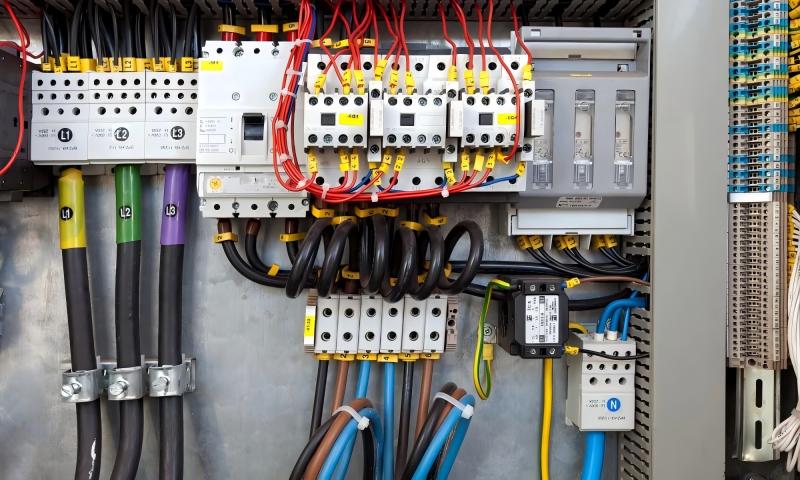
Inside the electrical cabinet are critical components such as contactors, relays, servo drives, and power modules. Over time, vibration and heat may cause these components to loosen or wear out.
Typical signs include:
- Burning smell from the cabinet
- Abnormal relay clicking sounds
- Servo driver alarms
Regular inspection and tightening of terminals can prevent many of these failures.
Step-by-Step Guide to Troubleshoot Press Brake Electrical Failure
When diagnosing electrical issues, I prefer to follow a clear step-by-step troubleshooting approach. This method helps avoid unnecessary component replacement and reduces downtime.
Step 1: Check the Main Power and Emergency Stop Circuit
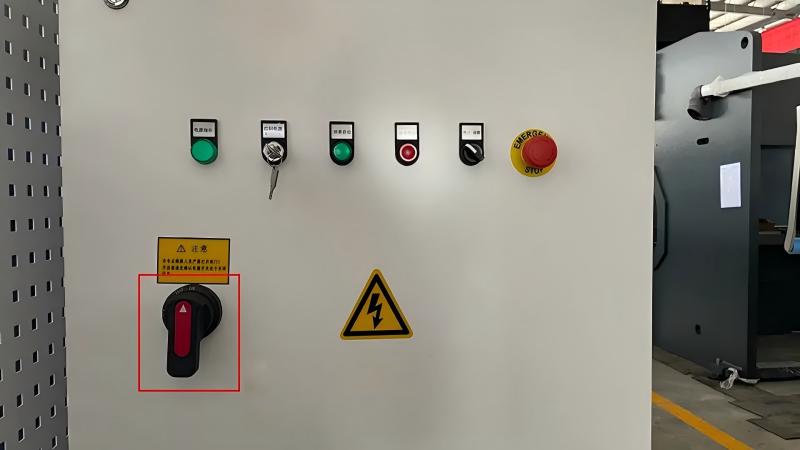
The first step I take is checking the machine’s main power supply and emergency stop system.
I verify that:
- The main breaker is switched on
- The emergency stop button is released
- The safety relay is functioning correctly
Many press brake electrical failure cases are actually caused by a triggered safety circuit.
Step 2: Inspect the Electrical Cabinet Wiring
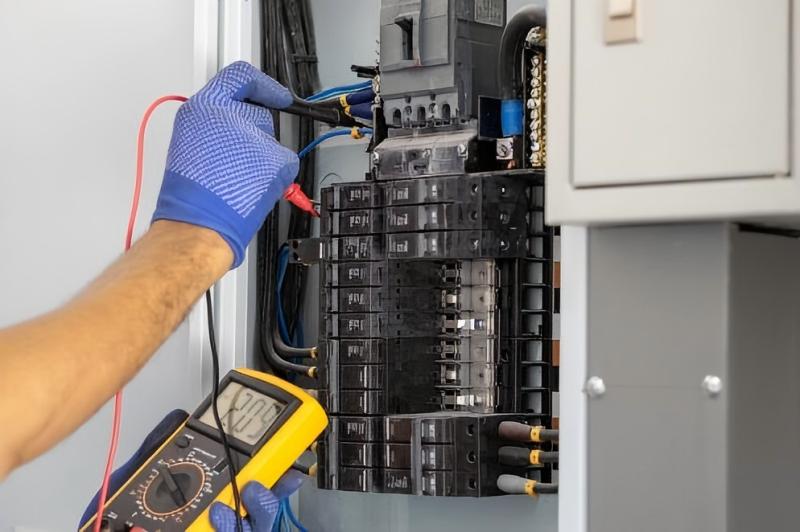
Next, I open the electrical cabinet and inspect the internal wiring.
I look for:
- Loose terminal connections
- Damaged wires
- Burned connectors
Vibration during machine operation can gradually loosen connections, which may interrupt signals to motors or the CNC controller.
Step 3: Check CNC Controller and HMI System
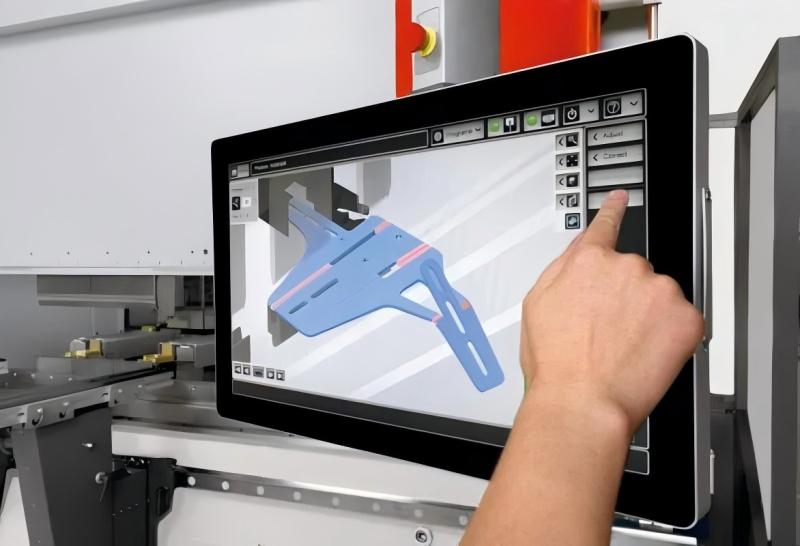
Modern press brakes rely heavily on CNC systems such as Delem, ESA, or Cybelec controllers. If the screen displays an alarm code, I carefully read the message and consult the machine manual.
Common controller-related issues include:
- Software communication errors
- Axis drive alarms
- System startup failures
Restarting the controller and checking communication cables often resolves these issues.
Diagnosing Backgauge and Servo Motor Electrical Problems
Backgauge movement is essential for bending accuracy, and electrical problems often appear in this system.
Backgauge Servo Driver Alarms
If the backgauge stops moving or loses position, I usually check the servo driver first.
Possible causes include:
- Encoder signal interruption
- Servo overload protection
- Communication cable damage
Inspecting the encoder cables and resetting the servo drive often restores normal operation.
Motor Power Supply and Signal Wiring

Another step I follow is checking the power wiring to the motor. Loose connections or damaged insulation can interrupt motor signals.
Symptoms may include:
- Axis not moving
- Inconsistent positioning
- Servo drive warnings
Proper cable routing and secure terminals prevent many of these electrical failures.
Troubleshooting Sensor and Safety System Failures
Press brakes rely on multiple sensors for safe and accurate operation. When these sensors malfunction, electrical alarms often occur.
Limit Switch and Position Sensor Errors
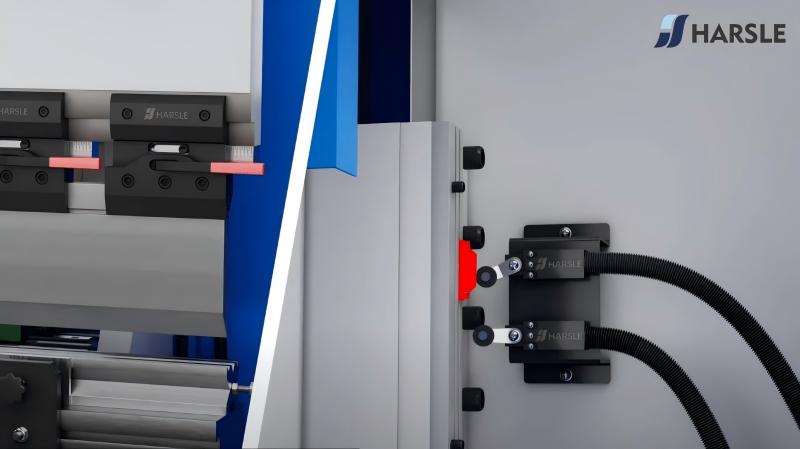
Limit switches ensure that machine axes operate within safe ranges. If a sensor fails, the controller may block movement.
To troubleshoot this, I check:
- Sensor wiring connections
- Mechanical positioning
- Sensor indicator lights
Replacing damaged sensors typically resolves these issues.
Light Curtain and Safety Relay Faults
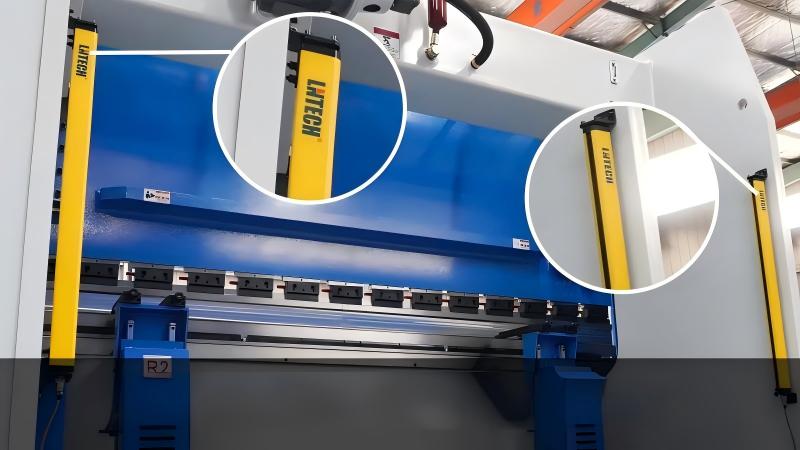
Safety devices such as light curtains protect operators from injury. If these components fail, the machine may refuse to start.
I usually test:
- Light curtain alignment
- Safety relay status
- Emergency stop circuit continuity
Ensuring proper safety system operation is critical before restarting production.
Preventing Future Press Brake Electrical Failures
From my experience, many electrical problems are preventable with proper maintenance.
Routine Electrical Cabinet Inspection
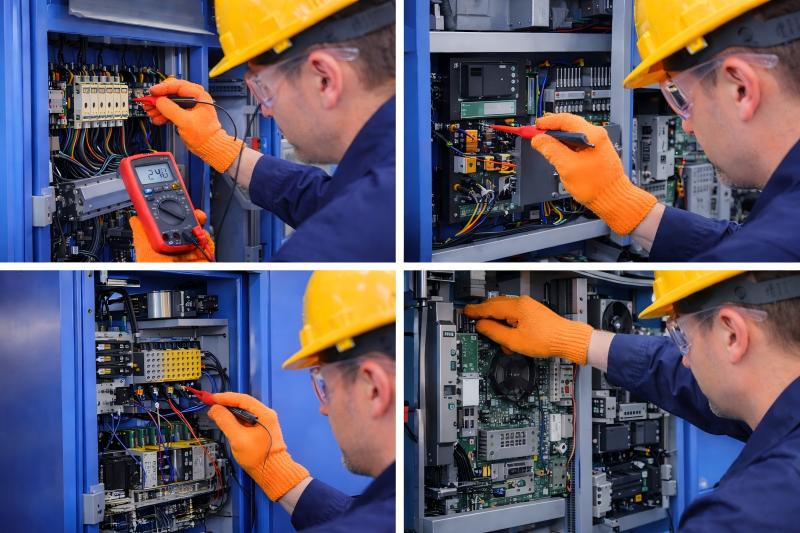
I recommend regularly inspecting the electrical cabinet for:
- Loose terminals
- Dust accumulation
- Overheating components
Keeping the cabinet clean improves cooling and prevents electrical damage.
Scheduled Preventive Maintenance
Preventive maintenance should include:
- Checking power cables and grounding
- Inspecting servo drivers and cooling fans
- Testing safety circuits and sensors
These simple steps significantly reduce the risk of press brake electrical failure.
FAQs
Q: What is the most common cause of Press Brake Electrical Failure?
A: In many cases, electrical failures are caused by loose wiring, unstable power supply, or faulty sensors. Regular inspection helps prevent these issues.
Q: How can I quickly identify a press brake electrical problem?
A: Start by checking the controller alarm message, inspecting the emergency stop circuit, and verifying the main power supply.
Q: Can a CNC controller cause press brake electrical failure?
A: Yes. Controller software errors, communication failures, or drive alarms can interrupt machine operation.
Q: How often should I inspect the electrical cabinet of a press brake?
A: I recommend performing electrical inspections at least once per month, especially in high-production environments.
Conclusion
Troubleshooting Press Brake Electrical Failure doesn’t have to be complicated when you follow a structured approach. By systematically checking the power supply, electrical cabinet, CNC controller, servo drives, and safety systems, I can usually locate the source of the problem quickly. Understanding these troubleshooting steps not only helps restore machine operation faster but also reduces the risk of unexpected production downtime.
If you want to keep your press brake running smoothly, regular electrical inspections and preventive maintenance are essential. For more technical guidance or professional support with press brake troubleshooting, feel free to contact our team or explore additional documentation resources.


