


When operators notice inconsistent bending angles, abnormal machine noise, or unstable ram movement, one common cause is Press Brake Guide Rail Wear. In my experience working with press brakes in real workshop environments, guide rail wear often develops slowly and is easily overlooked until it starts affecting bending accuracy. The good news is that most guide rail problems can be detected early and corrected with proper inspection, adjustment, and maintenance. In this guide, I’ll explain how to identify Press Brake Guide Rail Wear, what causes it, and the practical steps you can take to fix the problem and restore your machine’s precision.
What Causes Press Brake Guide Rail Wear?

Understanding the root cause of the problem is the first step in solving it. Press brake guide rails experience constant mechanical stress during operation, and several factors can accelerate wear.
Insufficient Lubrication of Press Brake Guide Rails
One of the most common causes of Press Brake Guide Rail Wear is poor lubrication. Guide rails and sliding surfaces require consistent lubrication to reduce friction. When lubrication is insufficient:
- Metal-to-metal contact increases
- Surface scratches develop on guide rails
- Ram movement becomes unstable
In many factories, lubrication schedules are ignored, which leads to premature wear of the rail surfaces.
Dust, Metal Particles, and Workshop Contamination
Press brakes operate in environments where metal dust and debris are unavoidable. If the guide rails are not cleaned regularly, small particles accumulate and act like abrasive material. Over time, this contamination accelerates wear and damages the sliding surfaces.
Long-Term Off-Center Loading
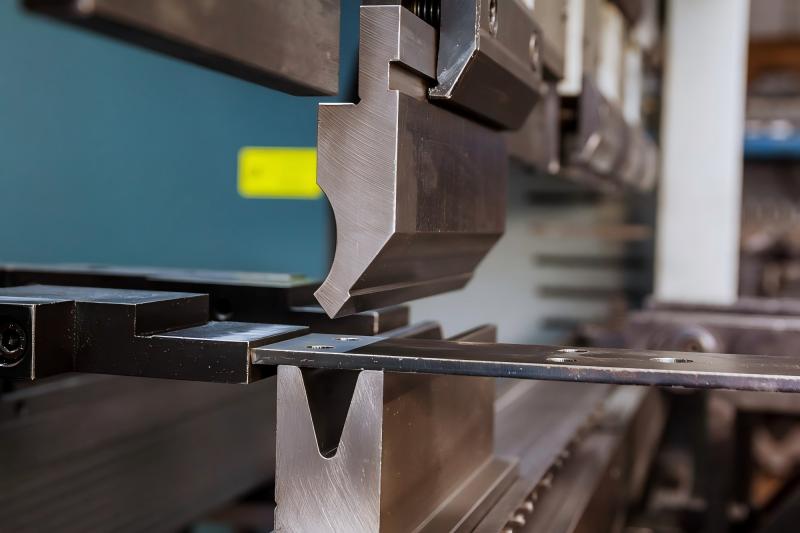
Improper bending practices, such as off-center loading or uneven tonnage distribution, also contribute to guide rail damage. When force is applied unevenly, the ram does not move symmetrically, which increases stress on one side of the guide rail.
How to Identify Press Brake Guide Rail Wear Early
Before attempting repairs, it’s important to confirm that guide rail wear is the actual cause of the problem.
Check for Uneven Bending Angles
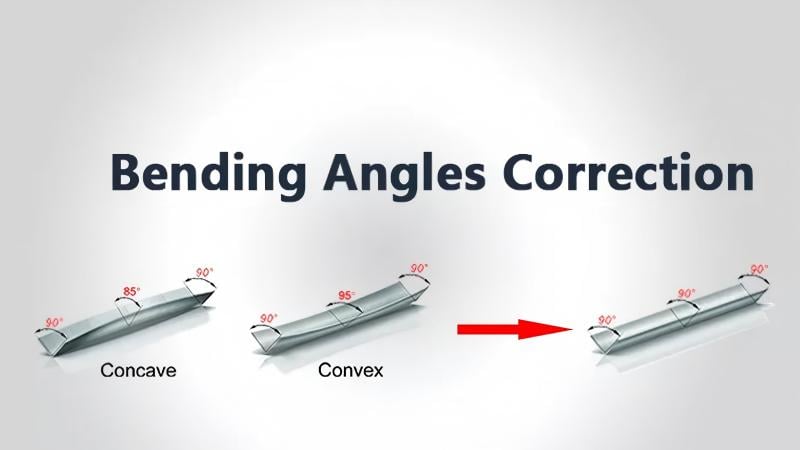
If I see that parts bent on the same program produce different angles along the bending length, guide rail wear may be affecting ram parallelism. This is often the first sign that mechanical components need inspection.
Listen for Abnormal Machine Noise
Guide rail wear often produces unusual sounds during ram movement. Grinding, vibration, or irregular sliding sounds usually indicate friction problems between the ram and guide rails.
Inspect the Guide Rail Surface
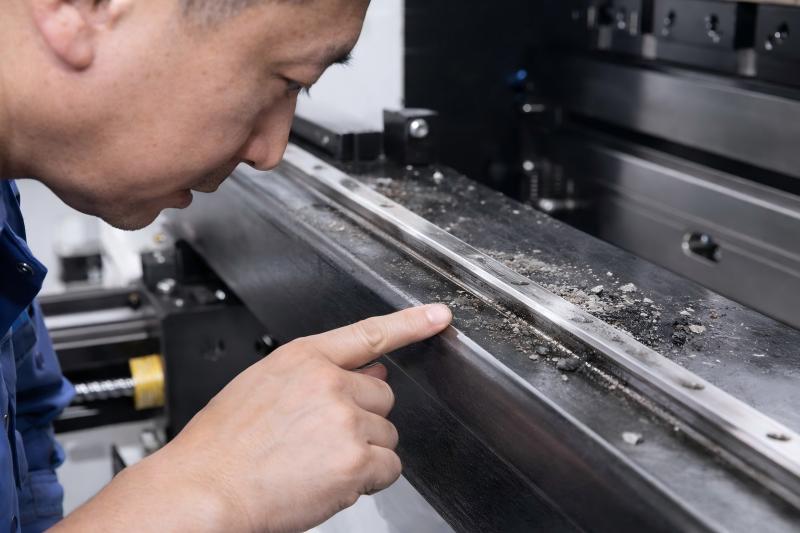
A visual inspection can reveal early wear signs such as:
- Scratches on sliding surfaces
- Uneven polishing marks
- Metal dust accumulation
- Lubrication residue mixed with debris
If these signs appear, maintenance should be performed immediately.
Step-by-Step Guide to Fix Press Brake Guide Rail Wear
Once the issue is confirmed, I typically follow a systematic repair process to restore proper machine performance.
Step 1: Clean the Guide Rail and Sliding Surfaces
The first step is always a thorough cleaning. Remove accumulated dust, metal particles, and old lubricant using a clean cloth and approved cleaning solution. This prevents further abrasion and allows a clear inspection of the rail condition.
A clean guide rail also helps determine whether the wear is minor or severe.
Step 2: Apply Proper Lubrication

After cleaning, apply the correct lubrication recommended by the machine manufacturer. Proper lubrication:
- Reduces friction
- Protects sliding surfaces
- Ensures smooth ram movement
I always recommend using high-quality industrial lubricants designed for heavy mechanical equipment.
Step 3: Adjust Guide Rail Clearance
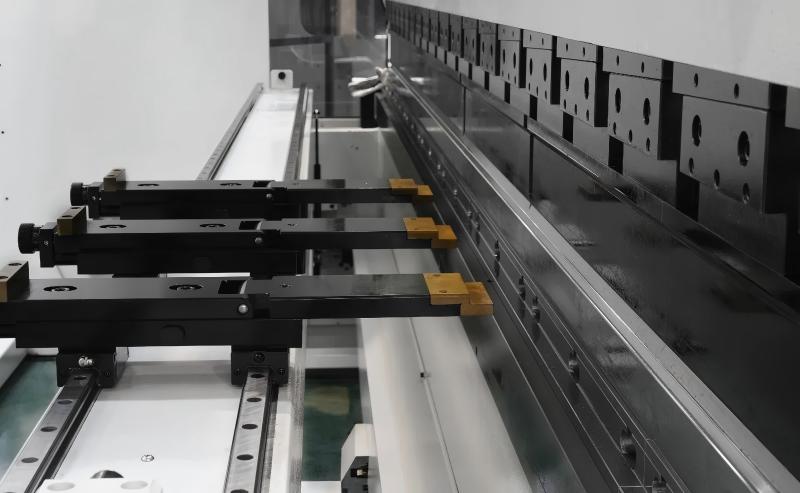
Most press brakes allow adjustment of guide rail clearance using gibs or adjustment blocks. If the gap between the ram and the guide rail becomes too large due to wear, the ram may move irregularly.
Adjusting the clearance helps restore proper alignment and stabilizes ram movement during bending operations.
Step 4: Restore Ram Parallelism
Guide rail wear may affect the parallel movement of the ram. Using precision measurement tools such as dial indicators or laser alignment systems, technicians can recalibrate the ram alignment.
Correct parallelism ensures consistent bending angles across the entire workpiece.
Step 5: Replace Severely Worn Components

If the wear is excessive and adjustment is no longer effective, replacement of the guide rail or sliding blocks may be necessary. Although this repair requires more time, it restores the machine’s original precision and prevents further mechanical damage.
Preventing Future Press Brake Guide Rail Wear
Preventive maintenance is the best way to avoid repeating the same problem.
Establish a Regular Lubrication Schedule
Daily or weekly lubrication checks ensure that guide rails remain protected. A consistent lubrication plan significantly extends component lifespan.
Keep the Machine Clean
Cleaning guide rails after each production shift prevents metal dust from accumulating. Even small particles can cause long-term damage if left untreated.
Avoid Off-Center Bending
Operators should distribute bending loads evenly along the machine length whenever possible. Balanced loading reduces stress on guide rails and improves machine stability.
FAQs
What are the main symptoms of Press Brake Guide Rail Wear?
The most common symptoms include uneven bending angles, abnormal noise during ram movement, increased vibration, and visible scratches on guide rail surfaces.
Can Press Brake Guide Rail Wear affect bending accuracy?
Yes. Guide rails control the linear movement of the ram. When wear occurs, ram alignment may shift, which directly impacts bending accuracy and repeatability.
How often should press brake guide rails be lubricated?
In most workshops, guide rails should be checked daily and lubricated regularly depending on machine usage and operating hours.
Is guide rail replacement always necessary when wear appears?
Not always. Minor wear can often be corrected through cleaning, lubrication, and adjustment. Replacement is usually required only when the wear becomes severe.
Conclusion
Press Brake Guide Rail Wear is a common mechanical issue, but it is also one of the most preventable problems in press brake operation. By understanding the causes, performing regular inspections, and following proper maintenance procedures, you can restore machine accuracy and prevent long-term damage.
From my experience, simple actions such as cleaning, lubrication, and alignment checks can dramatically extend the life of guide rails and maintain stable bending performance. If your press brake is already showing signs of guide rail wear, taking action early will save both repair costs and production downtime.
If you need professional guidance on press brake maintenance or troubleshooting, feel free to contact our technical team or explore more documentation resources to keep your equipment running at its best.


