


Press Brake Hydraulic System Maintenance is often the real answer when customers ask me why their press brake suddenly loses pressure, becomes noisy, or shows unstable bending accuracy. In my factory experience, these problems are rarely caused by major failures, but by overlooked daily habits, missing inspections, or a lack of understanding of how hydraulic components work together. If you are looking for clear and practical guidance on Press Brake Hydraulic System Maintenance, this article is written exactly for you. I’ll walk you through step-by-step maintenance practices, share common hydraulic issues I’ve seen on shop floors, and explain how proper maintenance directly protects bending accuracy, operational reliability, and the long-term service life of your press brake.
Understanding the Press Brake Hydraulic System
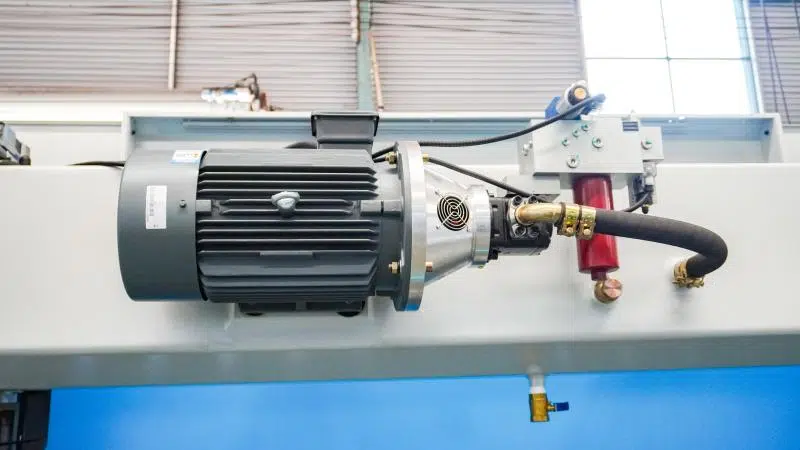
Before talking about maintenance, I always recommend understanding what you are actually maintaining.
Key Components of a Press Brake Hydraulic System
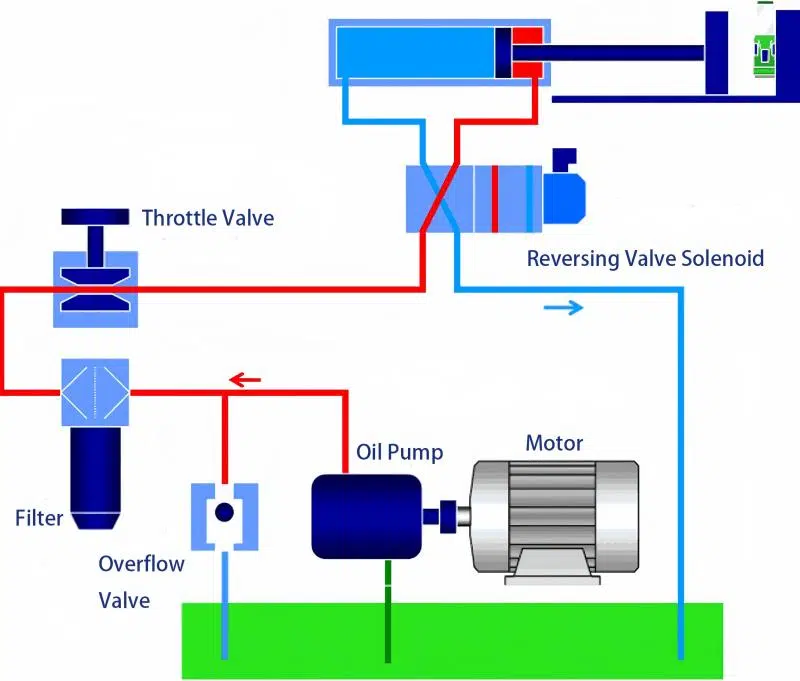
A standard press brake hydraulic system mainly includes the hydraulic pump, oil tank, control valves, cylinders, filters, hoses, and seals. These components work together to generate stable pressure and ensure synchronized ram movement. If any single part is neglected, the entire Press Brake Hydraulic System Maintenance process becomes ineffective.
Why Hydraulic System Maintenance Matters
In real production, poor hydraulic maintenance often leads to slow ram speed, pressure fluctuations, oil overheating, and even bending angle inconsistency. Proper Press Brake Hydraulic System Maintenance helps prevent unplanned downtime, reduces repair costs, and ensures long-term bending accuracy.
Daily Press Brake Hydraulic System Maintenance Checks
Daily checks are the foundation of hydraulic system reliability. I always tell operators that five minutes of inspection can prevent days of downtime.
Checking Hydraulic Oil Level and Condition
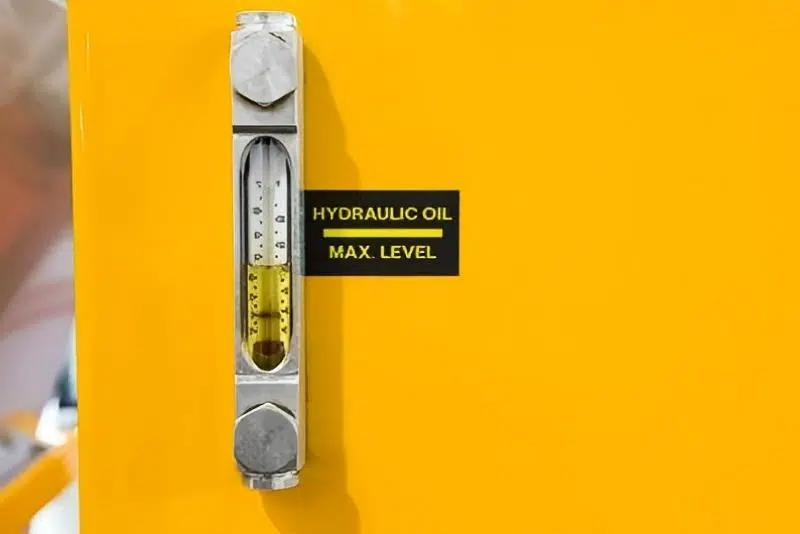
Every day before starting the machine, I check the hydraulic oil level through the oil gauge. The oil must stay within the recommended range. At the same time, I visually inspect the oil condition. If the oil appears milky, dark, or contains visible particles, it’s a clear warning sign that Press Brake Hydraulic System Maintenance is overdue.
Inspecting for Oil Leaks and Abnormal Noise
I walk around the machine to inspect hoses, fittings, valves, and cylinder seals. Even small oil leaks can lead to pressure loss over time. While the machine is running, I listen carefully for unusual pump noise, which often indicates air in the system or pump wear.
Weekly and Monthly Hydraulic System Maintenance Tasks
Beyond daily checks, regular deeper inspections are essential for stable operation.
Cleaning and Replacing Hydraulic Oil Filters
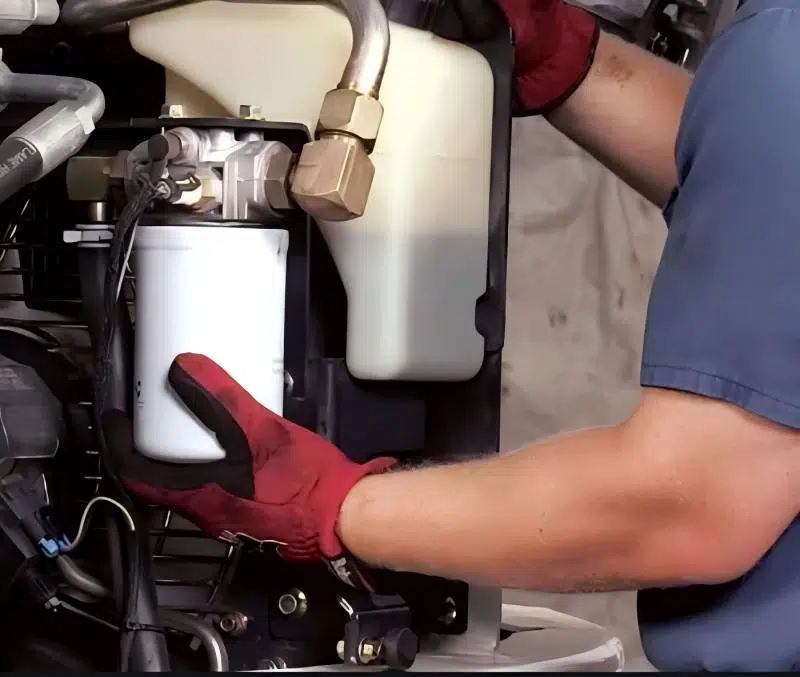
Hydraulic filters play a critical role in Press Brake Hydraulic System Maintenance. I recommend cleaning or replacing filters according to the manufacturer’s schedule, especially in dusty or high-load environments. Clogged filters restrict oil flow and accelerate component wear.
Checking Hydraulic Pressure and System Stability
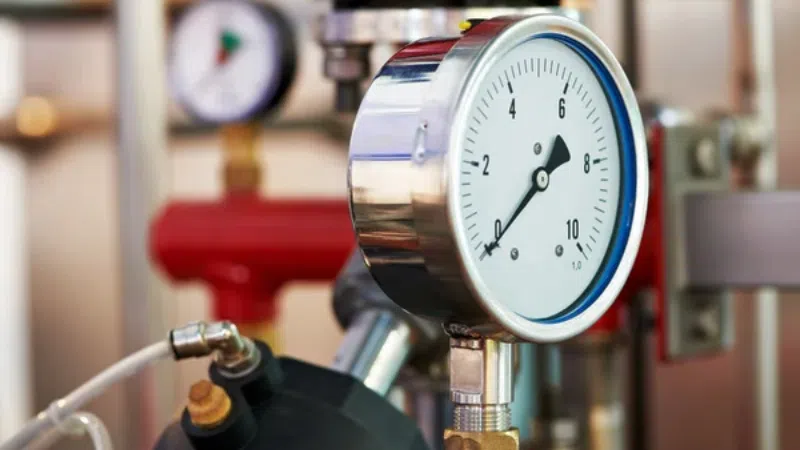
At least once a month, I verify system pressure using the control interface or pressure gauges. If pressure values fluctuate during operation, it usually points to valve contamination, internal leakage, or pump inefficiency. Early detection avoids serious failures later.
Hydraulic Oil Management and Replacement
Hydraulic oil is the lifeblood of the press brake, and oil management is one of the most overlooked parts of Press Brake Hydraulic System Maintenance.
Choosing the Right Hydraulic Oil
I always follow the oil grade recommended by the manufacturer. Using the wrong viscosity oil affects response speed, lubrication, and temperature control. In cold environments, incorrect oil selection can cause slow startup and pressure instability.
When and How to Replace Hydraulic Oil
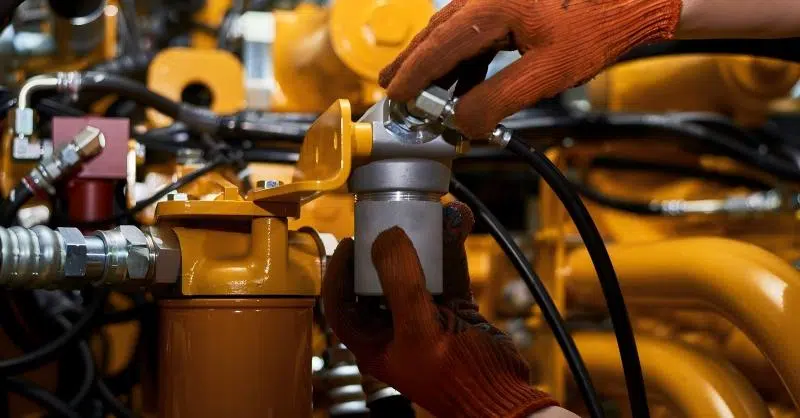
From my experience, hydraulic oil should typically be replaced every 2000–4000 operating hours, depending on working conditions. When replacing oil, I fully drain the tank, clean the oil reservoir, replace filters, and flush the system if contamination is severe. Skipping these steps often leads to repeated problems.
Maintaining Hydraulic Valves and Cylinders
Valves and cylinders directly control bending motion and accuracy.
Preventing Valve Contamination and Sticking
Hydraulic valves are extremely sensitive to contamination. During Press Brake Hydraulic System Maintenance, I pay close attention to oil cleanliness and sealing integrity. If valves respond slowly or stick, it’s usually due to dirty oil or worn seals.
Inspecting Hydraulic Cylinders and Seals
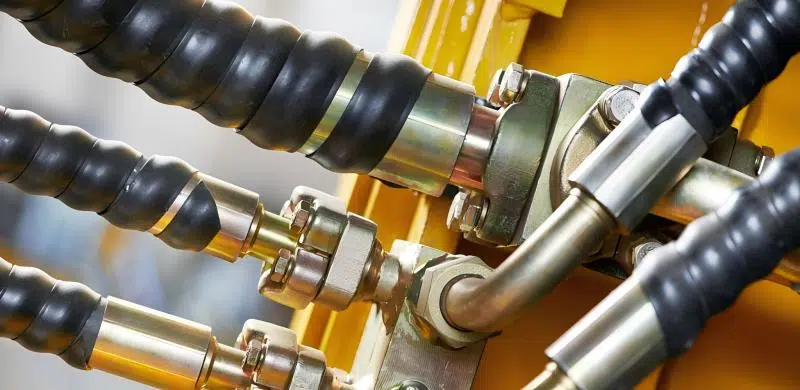
I regularly inspect cylinder rods for scratches, oil film consistency, and seal condition. Worn seals cause internal leakage, uneven ram movement, and pressure loss. Replacing seals early is far cheaper than repairing damaged cylinders.
Preventing Overheating in the Hydraulic System
Hydraulic overheating is a common issue I encounter in long production shifts.
Monitoring Oil Temperature During Operation
During operation, I monitor oil temperature via the control system. Excessive heat accelerates oil degradation and seal aging. Stable temperature is a key indicator of effective Press Brake Hydraulic System Maintenance.
Improving Cooling and System Efficiency
If overheating occurs, I check cooling fans, heat exchangers, and oil viscosity. In some cases, adjusting working cycles or upgrading cooling systems significantly improves hydraulic stability.
Common Press Brake Hydraulic System Problems and Solutions
Understanding typical faults helps operators react quickly and correctly.
Low Pressure or Slow Ram Movement
This problem is often caused by oil leakage, worn pumps, or clogged filters. I start troubleshooting by checking oil level, filters, and pressure settings before considering component replacement.
Hydraulic Noise and Vibration
Unusual noise usually indicates air in the system, pump cavitation, or incorrect oil. Bleeding air and correcting oil issues often resolves the problem without major repairs.
FAQs
How often should I perform Press Brake Hydraulic System Maintenance?
Basic checks should be done daily, filter inspections monthly, and oil replacement every 2000–4000 working hours depending on operating conditions.
What hydraulic oil is best for press brake hydraulic systems?
Always use the oil grade specified by the manufacturer. Correct viscosity ensures proper lubrication, pressure stability, and temperature control.
Can dirty hydraulic oil affect bending accuracy?
Yes. Contaminated oil causes valve sticking, pressure fluctuation, and uneven cylinder movement, directly affecting bending precision.
Why does my press brake hydraulic system overheat?
Overheating is usually caused by poor oil quality, insufficient cooling, high workload, or internal leakage within valves or cylinders.
Conclusion
From my experience, effective Press Brake Hydraulic System Maintenance is not complicated, but it must be consistent and systematic. Daily inspections, proper oil management, clean filters, and timely component checks are the keys to long-term reliability. By following these maintenance practices, you can significantly reduce downtime, protect bending accuracy, and extend the service life of your press brake. If you need professional guidance, spare parts, or technical support for your hydraulic system, feel free to contact the HARSLE team or explore our related documentation for deeper technical insights.


