


Press Brake Hydraulic Oil Temperature is one of the most common concerns I hear about in daily production when a press brake suddenly starts running hot. It is not just a number displayed on the control panel, but a direct indicator of the hydraulic system’s health, efficiency, and overall stability. When oil temperature rises abnormally, it usually points to underlying maintenance problems that, if overlooked, can quickly result in bending accuracy loss, accelerated component wear, or unexpected downtime. In this article, I’ll share insights from real workshop experience to explain why hydraulic oil temperature increases, how daily maintenance habits affect it, and what practical steps you can take to keep oil temperature within a safe and stable operating range.
What Is Normal Press Brake Hydraulic Oil Temperature?
Before identifying problems, it’s important to understand what “normal” looks like.
Typical Operating Temperature Range
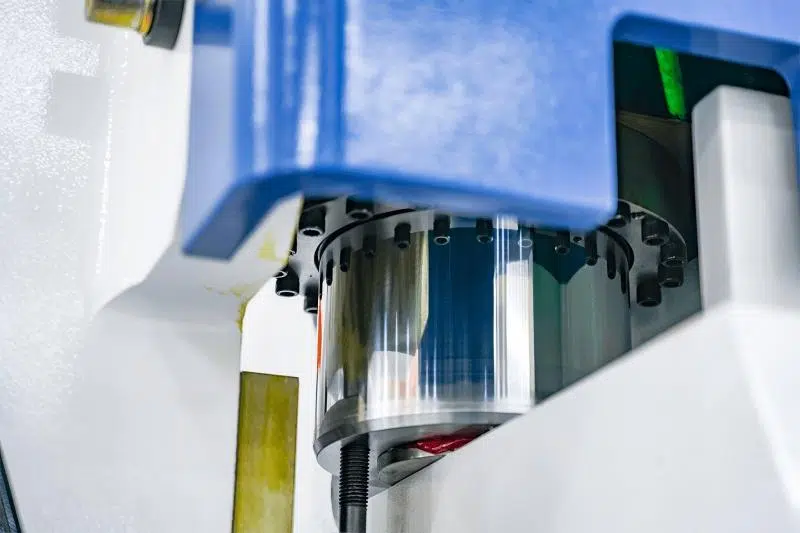
Under normal conditions, Press Brake Hydraulic Oil Temperature usually stays between 30°C and 55°C (86°F–131°F). Within this range, the oil maintains proper viscosity, lubrication performance, and heat dissipation capability.
Why Temperature Stability Matters
When oil temperature remains stable, hydraulic components such as pumps, valves, seals, and cylinders operate smoothly. Stable temperature ensures consistent bending force, predictable ram movement, and reliable bending accuracy throughout long production runs.
How Poor Maintenance Causes Hydraulic Oil Temperature to Rise
In most cases, rising oil temperature is not caused by machine design flaws but by daily maintenance issues that accumulate over time.
Contaminated Hydraulic Oil Increases Heat
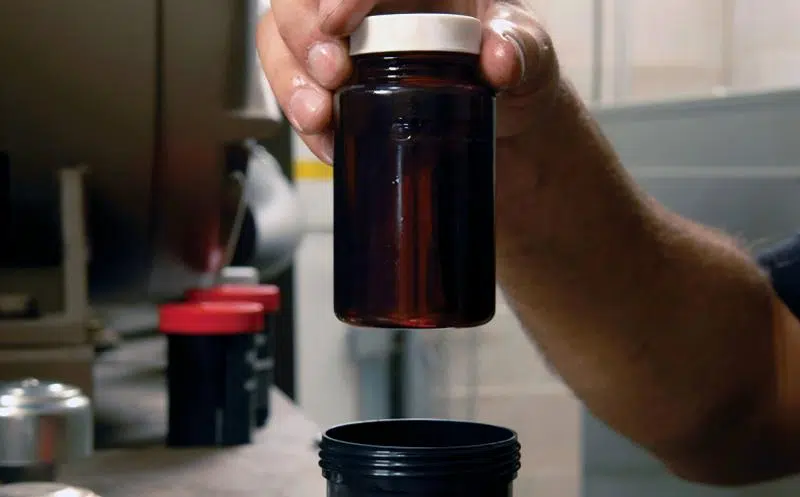
Dirty or contaminated oil is one of the most common reasons for high Press Brake Hydraulic Oil Temperature.
When metal particles, dust, or moisture enter the oil, internal friction increases inside pumps and valves. This friction converts directly into heat. I often see machines where oil looks dark or cloudy, yet continues running until temperature alarms appear. Regular oil inspection and timely replacement are essential to prevent this problem.
Clogged Oil Filters Restrict Flow
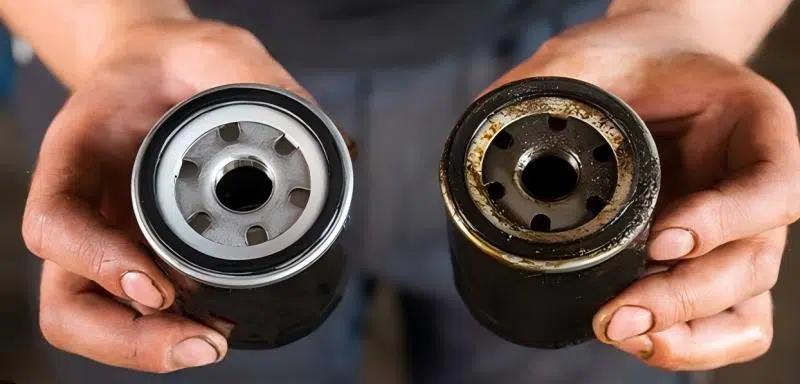
Hydraulic oil filters are designed to remove contaminants, but if they are not replaced on schedule, they become flow restrictions.
A clogged filter forces the hydraulic pump to work harder to push oil through the system. The extra load increases pressure loss and heat generation, causing oil temperature to rise steadily during operation.
Poor Heat Dissipation Due to Dirty Coolers
Many press brakes rely on air-cooled or water-cooled heat exchangers to control oil temperature.
When cooling fins, fans, or water channels are clogged with dust or scale, heat cannot be released efficiently. Even if the hydraulic system itself is functioning correctly, blocked coolers will cause Press Brake Hydraulic Oil Temperature to climb during continuous production.
Hydraulic Pump and System Load Issues
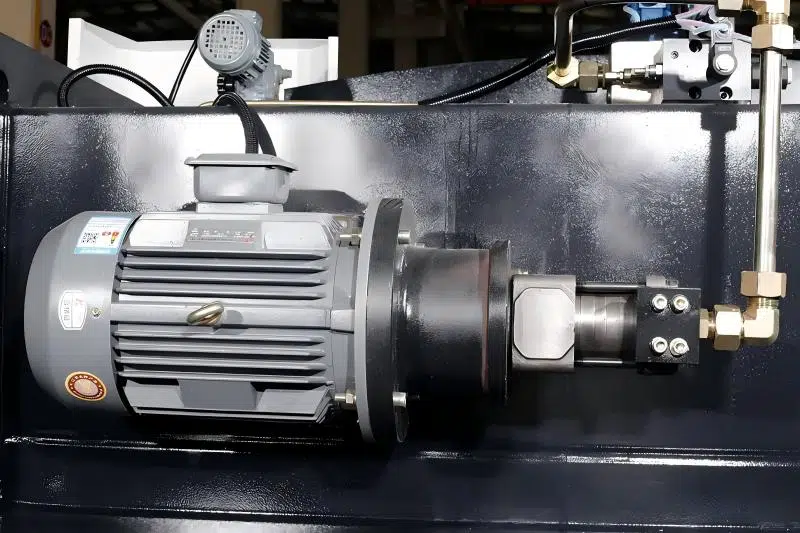
Maintenance-related mechanical problems also play a major role in oil overheating.
Worn Hydraulic Pumps Generate Excess Heat
As hydraulic pumps wear, internal leakage increases. Instead of efficiently converting motor power into hydraulic pressure, energy is lost as heat.
In practice, I’ve seen older pumps that still “work” but constantly push oil temperature beyond safe limits. Regular inspection of pump noise, pressure stability, and temperature trends helps detect pump wear early.
Incorrect Pressure Settings Increase System Stress
If system pressure is set higher than required for actual bending tasks, the hydraulic system operates under unnecessary load.
Excess pressure means more energy conversion and more heat generation. Proper pressure adjustment based on material thickness and tooling requirements is a simple but often overlooked way to control Press Brake Hydraulic Oil Temperature.
Maintenance of Valves and Hydraulic Lines
Small components can have a big impact on temperature.
Sticky or Malfunctioning Valves
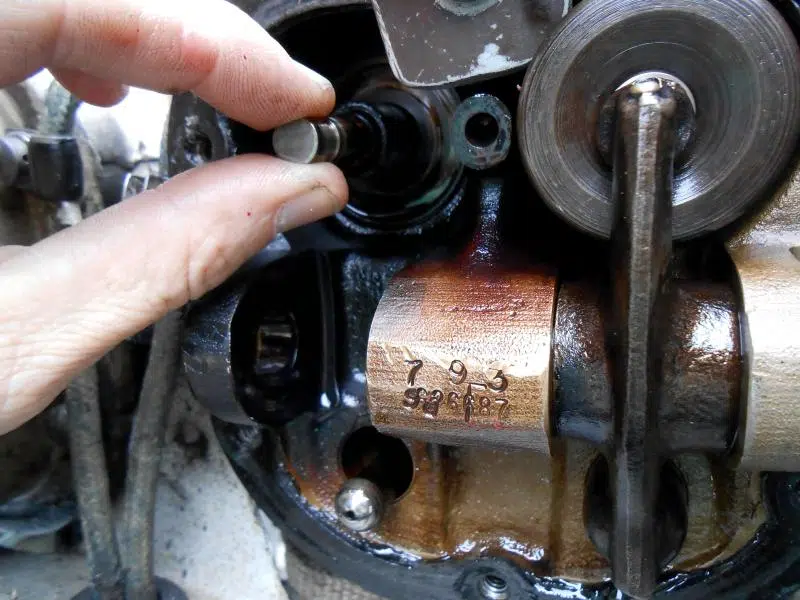
Directional and proportional valves that stick due to contamination or wear cause internal throttling. This throttling turns hydraulic energy into heat instead of motion.
Routine valve inspection and cleaning help maintain smooth oil flow and stable temperature.
Leaks and Internal Bypassing
External oil leaks are easy to notice, but internal leaks are more dangerous. Internal bypassing inside valves or cylinders leads to constant pressure loss and heat buildup.
Monitoring temperature trends alongside pressure behavior is an effective way to identify hidden internal leaks.
How to Control Press Brake Hydraulic Oil Temperature Through Maintenance
Keeping oil temperature under control does not require complex procedures—just consistent habits.
Establish a Regular Oil Maintenance Schedule
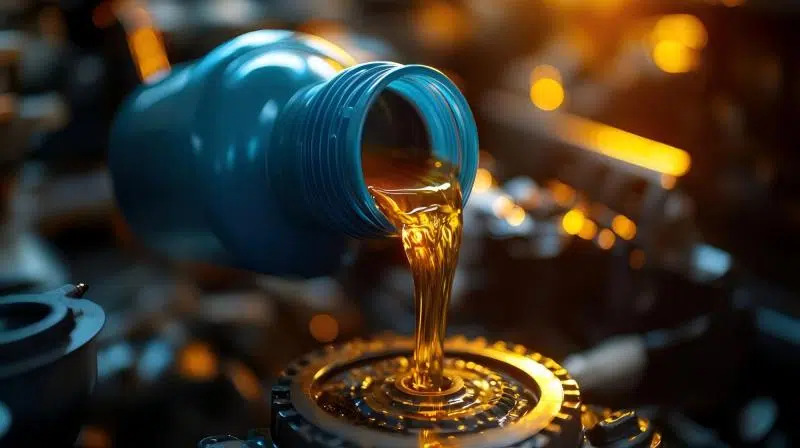
I always recommend periodic oil sampling, visual inspection, and replacement based on operating hours and working conditions. Clean oil reduces friction and heat generation across the entire system.
Maintain Filters and Cooling Systems
Replacing filters on time and cleaning oil coolers regularly should be standard maintenance tasks. These steps directly improve oil circulation and heat dissipation efficiency.
Monitor Temperature Trends, Not Just Alarms
Instead of waiting for high-temperature alarms, track oil temperature during normal production. A gradual increase over weeks or months often signals early maintenance issues that can be corrected before serious damage occurs.
FAQs
What is the main cause of high Press Brake Hydraulic Oil Temperature?
In most cases, poor maintenance such as contaminated oil, clogged filters, dirty coolers, or worn pumps is the primary cause rather than machine design problems.
Can high oil temperature affect bending accuracy?
Yes. High oil temperature changes oil viscosity, leading to unstable pressure, inconsistent ram movement, and reduced bending accuracy.
How often should hydraulic oil be replaced to control temperature?
This depends on working hours and environment, but regular inspection and replacement based on oil condition—not just time—are the best practice.
Is higher oil temperature always dangerous?
Short-term temperature rise during heavy production may be acceptable, but continuous operation above recommended limits significantly shortens component lifespan.
Conclusion
Press Brake Hydraulic Oil Temperature is a clear reflection of how well the hydraulic system is maintained. From oil cleanliness and filter condition to pump health and cooling efficiency, every maintenance detail plays a role in controlling heat. By building good daily inspection habits, maintaining key components, and monitoring temperature trends, you can prevent overheating before it turns into costly downtime or accuracy loss. If you’re unsure whether your press brake hydraulic system is operating within a safe temperature range, the HARSLE technical team is always ready to help you evaluate your machine and optimize its maintenance strategy.


