


Press Brake Motor Overheating is a problem that operators occasionally notice when the motor becomes unusually hot or when there is a faint smell of overheated insulation near the machine. In most situations, this issue does not appear without reason—it usually indicates that some part of the system is under excessive load. Based on my experience working with both hydraulic and CNC press brakes, overheating is often related to mechanical resistance, hydraulic pressure problems, electrical imbalance, or insufficient maintenance. In this guide, I’ll explain the typical causes of Press Brake Motor Overheating, how to diagnose the problem in a real workshop environment, and what practical steps can help prevent damage and keep your press brake operating reliably.
Understanding the Role of the Motor in a Hydraulic Press Brake
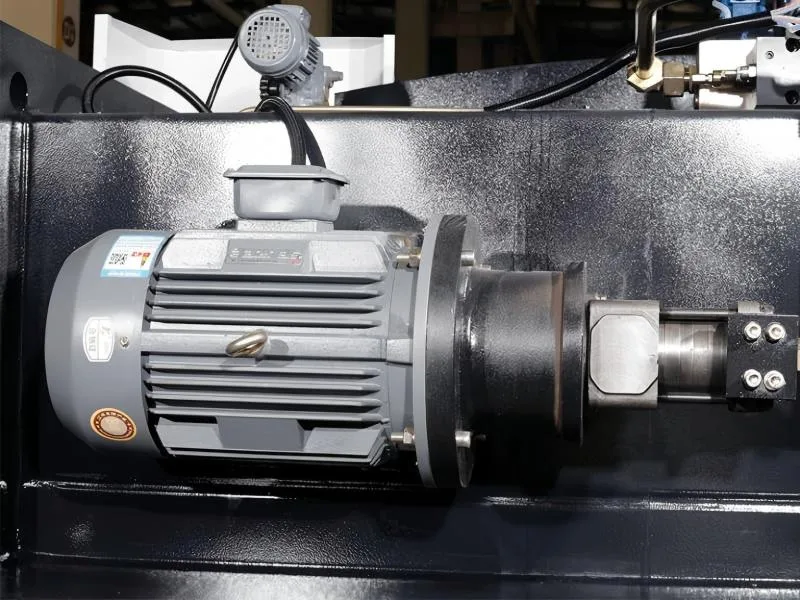
Before troubleshooting overheating, I always start by understanding the motor’s role in the machine. The electric motor drives the hydraulic pump, which generates pressure to move the ram and perform bending operations.
When everything is functioning properly, the motor operates within its designed temperature range. However, when mechanical resistance or electrical imbalance occurs, the motor must work harder to maintain pressure. This increased load leads directly to Press Brake Motor Overheating, especially during long production cycles.
If overheating is ignored, it may lead to:
- Motor insulation damage
- Reduced motor lifespan
- Unexpected machine shutdown
- Hydraulic system inefficiency
That is why identifying the cause early is critical.
Common Causes of Press Brake Motor Overheating
In my experience, several common issues can lead to Press Brake Motor Overheating. Most of them can be detected during routine maintenance.
Hydraulic System Overload
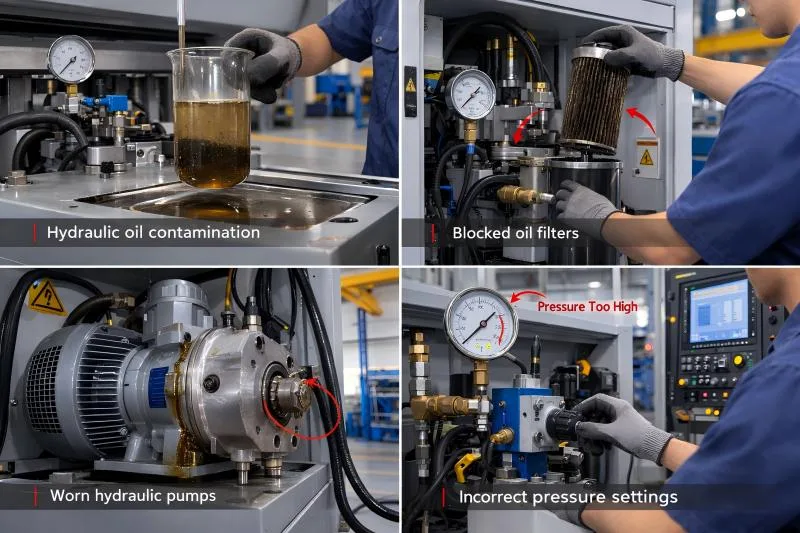
One of the most frequent reasons for overheating is excessive hydraulic load. If the hydraulic system encounters resistance, the motor must supply additional torque.
Typical causes include:
- Hydraulic oil contamination
- Blocked oil filters
- Worn hydraulic pumps
- Incorrect pressure settings
When hydraulic flow becomes restricted, the motor continuously operates under high load, which increases temperature rapidly.
Regular hydraulic system maintenance is one of the best ways to prevent this problem.
Insufficient Cooling or Poor Ventilation
Press brake motors rely on proper airflow to dissipate heat. I often see overheating caused simply by poor ventilation around the motor.
This may happen when:
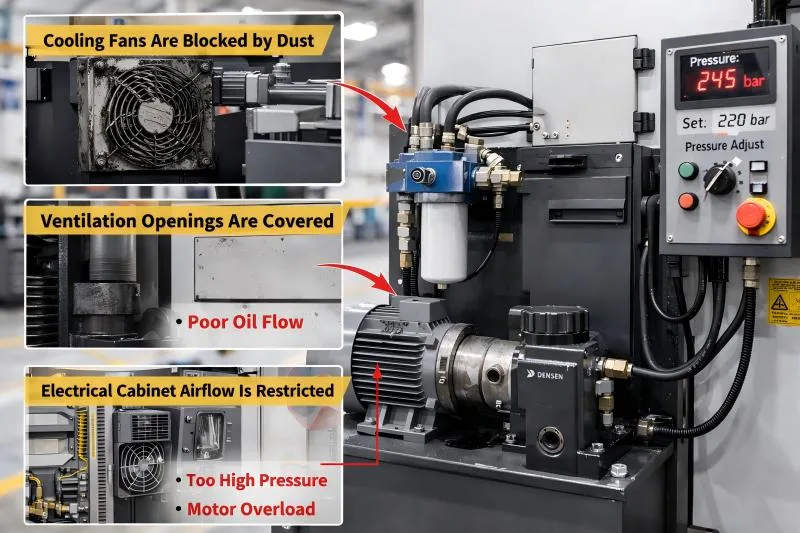
- Cooling fans are blocked by dust
- Ventilation openings are covered
- Electrical cabinet airflow is restricted
In workshops with heavy dust or metal particles, cooling systems can easily become clogged. Cleaning cooling fans and ensuring proper airflow significantly reduces overheating risks.
Electrical Voltage Imbalance
Another cause of Press Brake Motor Overheating is unstable electrical supply.
Voltage imbalance between phases can cause the motor to draw excessive current. This leads to:
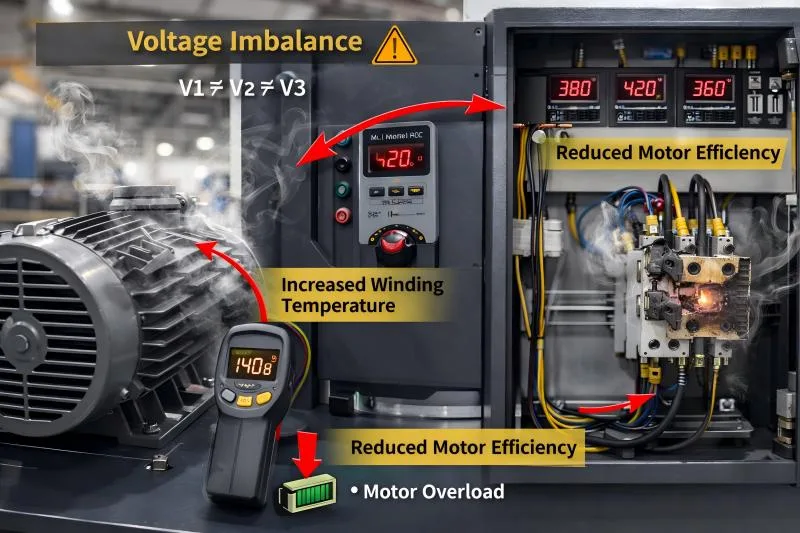
- Increased winding temperature
- Reduced motor efficiency
- Premature electrical failure
Whenever I troubleshoot overheating motors, I always check the electrical supply voltage and phase balance first.
Continuous High Load Operation
Press brakes used for heavy bending operations sometimes run continuously near their maximum tonnage.
While the motor is designed to handle high loads, prolonged operation without rest can cause heat accumulation.
This usually happens when:
- Production cycles are too intensive
- Machines operate without cooling intervals
- Incorrect machine tonnage is selected for thick materials
If the machine is consistently working beyond its recommended capacity, upgrading equipment or adjusting production scheduling may be necessary.
How to Diagnose Press Brake Motor Overheating
When I inspect an overheating motor, I typically follow a simple diagnostic process.
Step 1: Check Motor Surface Temperature
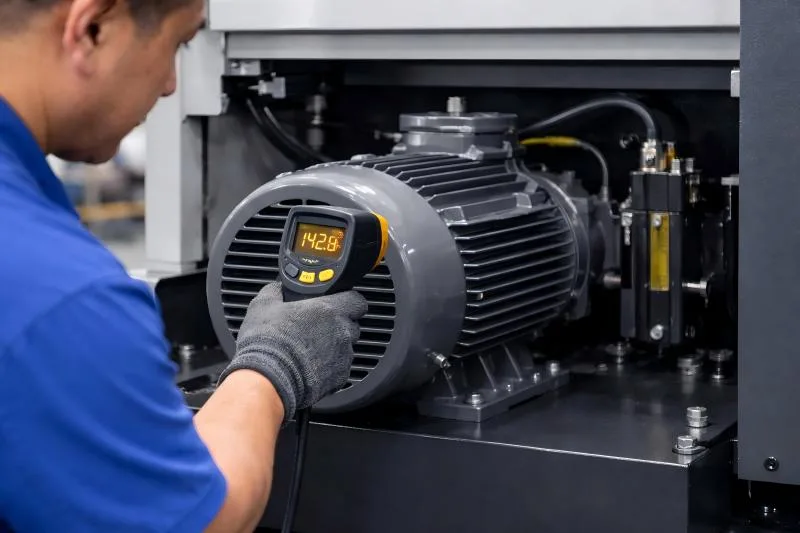
First, I measure the motor temperature using an infrared thermometer. Normal operating temperatures vary depending on motor design, but sudden temperature increases often indicate abnormal load.
If the temperature rises quickly during operation, it suggests hydraulic or electrical resistance.
Step 2: Inspect Hydraulic Pressure and Oil Condition
Next, I inspect the hydraulic system. Dirty oil or blocked filters often create resistance in the pump.
I check:
- Oil cleanliness
- Filter condition
- Pressure settings
- Pump noise or vibration
Replacing contaminated hydraulic oil frequently resolves overheating issues.
Step 3: Examine Electrical Supply and Connections
Electrical inspection is another essential step.
I verify:
- Voltage balance across phases
- Terminal connections
- Motor current levels
- Electrical cabinet cooling
Loose electrical connections can increase resistance and generate heat.
Preventive Maintenance to Avoid Motor Overheating
Preventive maintenance is the most effective way to prevent Press Brake Motor Overheating.
From my experience, a simple maintenance routine can significantly reduce overheating risks.
Routine Cleaning and Cooling System Inspection
Keep the motor area clean and ensure that ventilation openings remain unobstructed. Regularly clean cooling fans and air passages to maintain airflow.
Hydraulic System Maintenance
Maintain the hydraulic system by:
- Replacing oil filters regularly
- Monitoring hydraulic oil quality
- Checking pressure settings
- Inspecting pumps and valves
A well-maintained hydraulic system reduces motor load and prevents overheating.
Electrical System Inspection
Electrical maintenance should include:
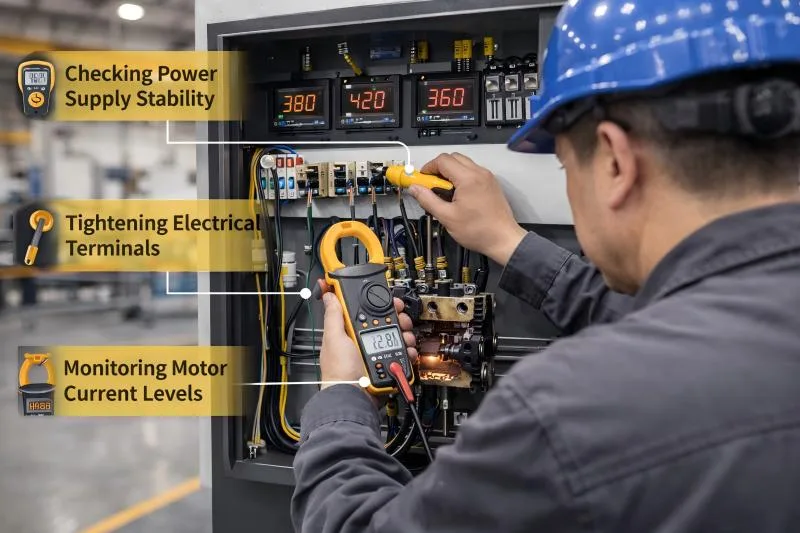
- Checking power supply stability
- Tightening electrical terminals
- Monitoring motor current levels
Stable electrical supply ensures the motor operates efficiently.
FAQs
Is Press Brake Motor Overheating normal during heavy production?
Slight temperature increase is normal, but excessive heat usually indicates hydraulic resistance, electrical imbalance, or insufficient cooling.
What temperature is considered dangerous for a press brake motor?
Most industrial motors should operate below approximately 80–90°C. Temperatures above this range may damage motor insulation and shorten service life.
How can I prevent Press Brake Motor Overheating in daily operation?
Regular maintenance, proper cooling, clean hydraulic oil, and stable electrical supply are the most effective preventive measures.
Conclusion
Press Brake Motor Overheating is usually a warning sign that something in the hydraulic, electrical, or cooling system is not functioning correctly. By checking hydraulic pressure, monitoring electrical supply, and maintaining proper cooling conditions, most overheating issues can be identified and resolved before serious damage occurs.
From my experience, consistent preventive maintenance is the key to keeping press brake motors running efficiently and safely. If you notice frequent overheating or unusual motor behavior, it is best to inspect the machine immediately. For professional support or detailed maintenance guidance, you can always contact our technical team for assistance.


