


If you’ve noticed Press Brake Slow Ram Movement during operation, you’re not alone. In many sheet metal workshops, this issue appears after long periods of machine use, improper maintenance, or hydraulic system problems. A slow-moving ram can reduce bending efficiency, affect production schedules, and sometimes indicate deeper mechanical or hydraulic faults. In this guide, I’ll walk through the most common causes of Press Brake Slow Ram Movement and explain practical troubleshooting steps you can follow to restore normal machine speed and performance.
Understanding Press Brake Slow Ram Movement
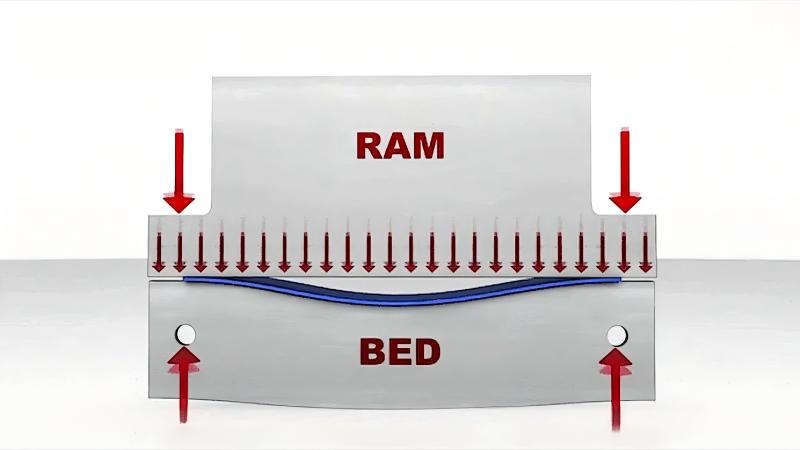
Before attempting repairs, I always recommend understanding what normal ram movement should look like. In a properly functioning CNC press brake, the ram should move smoothly and consistently during the rapid approach, bending, and return stages.
When Press Brake Slow Ram Movement occurs, operators may notice:
- Slow approach speed before bending
- Delayed return stroke after bending
- Inconsistent ram movement speed
- Increased cycle time during production
These symptoms often indicate issues within the hydraulic system, electrical components, lubrication system, or mechanical parts.
Step-by-Step Troubleshooting for Press Brake Slow Ram Movement
Step 1: Check Hydraulic Oil Level and Oil Quality
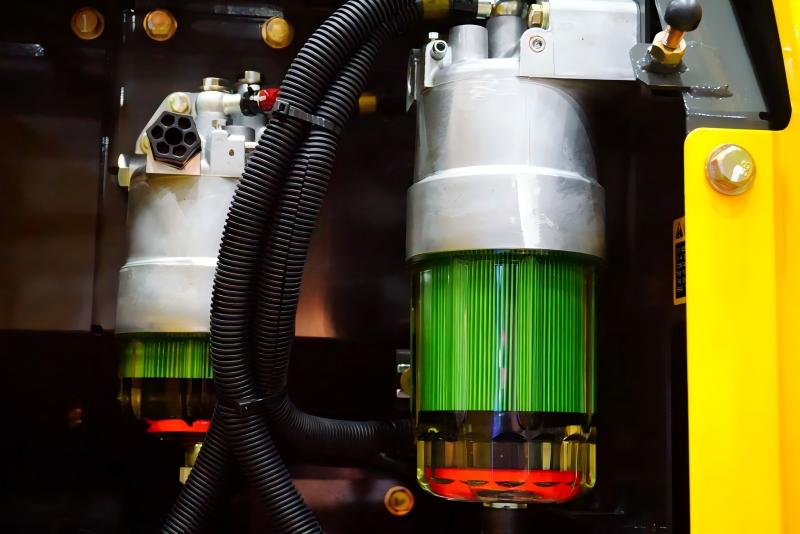
The hydraulic system powers the press brake ram. When troubleshooting Press Brake Slow Ram Movement, the first thing I inspect is the hydraulic oil.
Low oil levels can cause insufficient pressure, leading to slow ram movement. Contaminated oil can also block valves and reduce system efficiency.
What I recommend checking:
- Confirm hydraulic oil level is within the recommended range
- Inspect oil color and clarity
- Replace hydraulic oil if it appears dark or contaminated
- Check whether the oil filter is clogged
Regular oil replacement and filter maintenance often resolve many slow movement problems.
Step 2: Inspect the Hydraulic Pump and Pressure Settings
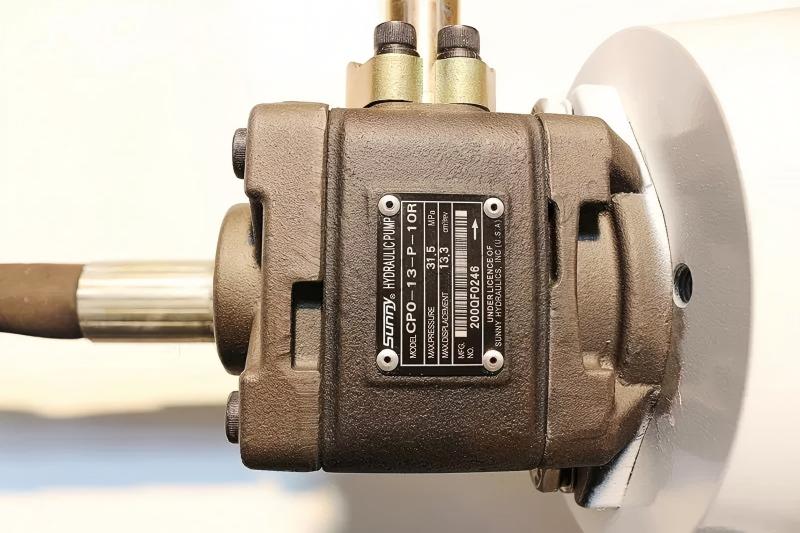
Another common reason for Press Brake Slow Ram Movement is reduced hydraulic pump performance.
Over time, pumps may experience wear, reducing their ability to generate pressure. If system pressure drops, the ram will move slower than expected.
I typically check:
- Hydraulic pump noise and vibration
- System pressure gauge readings
- Relief valve settings
- Pump leakage or overheating
If pressure levels are lower than specified by the manufacturer, the pump may require repair or replacement.
Step 3: Examine Proportional Valves and Flow Control Valves
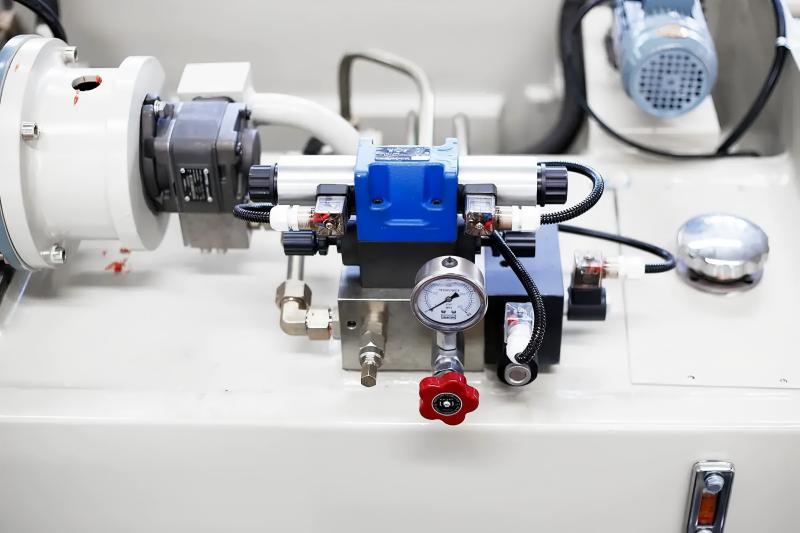
In modern CNC press brakes, proportional valves regulate hydraulic flow and ram speed.
When these valves become contaminated or worn, they may restrict hydraulic flow and cause Press Brake Slow Ram Movement.
Common checks include:
- Cleaning valve blocks
- Inspecting proportional valve response
- Ensuring solenoid valves activate correctly
- Checking for hydraulic contamination inside the valve block
Sometimes a simple valve cleaning can restore normal ram speed.
Step 4: Inspect the Electrical Control System
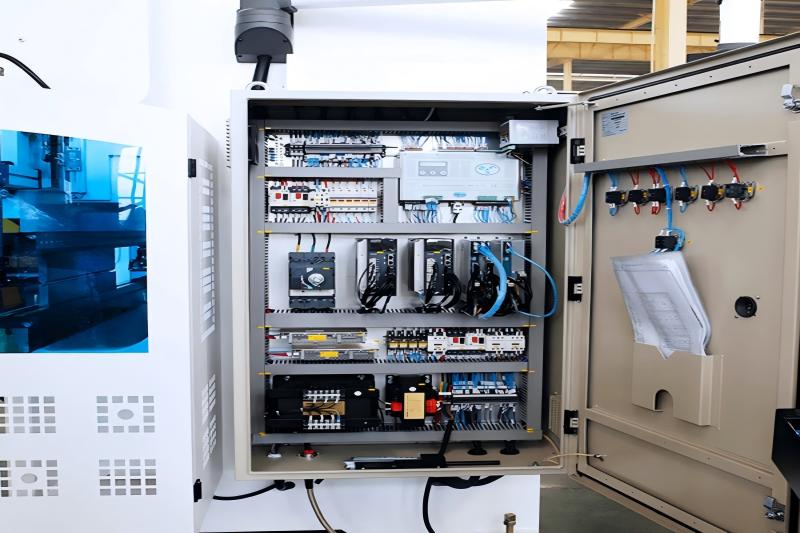
Electrical problems can also affect ram movement speed.
For example, servo drive issues, loose wiring, or incorrect parameter settings in the CNC controller may cause Press Brake Slow Ram Movement.
During inspection, I recommend checking:
- Electrical cabinet connections
- Servo drive alarms or faults
- Control system parameters related to ram speed
- Backgauge system synchronization
If the CNC system parameters were modified accidentally, restoring factory settings may solve the problem.
Step 5: Check Mechanical Components and Lubrication
Mechanical resistance can also slow down ram movement.
If guide rails, sliding surfaces, or ball screws are not properly lubricated, friction increases and the ram moves more slowly.
Maintenance checks should include:
- Lubrication of guide rails and mechanical joints
- Inspection of ram guides for wear
- Cleaning debris from sliding surfaces
- Checking backgauge linear guides
Routine lubrication is an important preventive step to avoid Press Brake Slow Ram Movement.
Preventive Maintenance to Avoid Slow Ram Movement
While troubleshooting is important, I always recommend preventive maintenance to reduce the chance of future issues.
Key maintenance practices include:
Daily Inspection
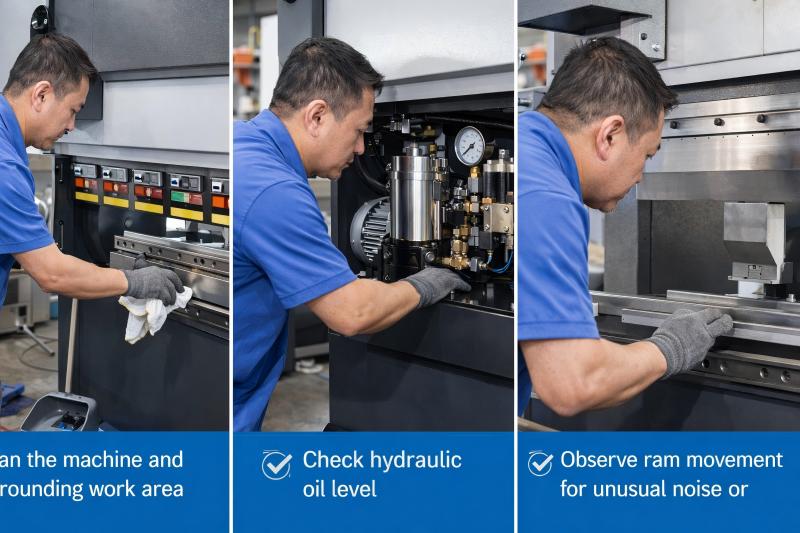
- Clean the machine and surrounding work area
- Check hydraulic oil level
- Observe ram movement for unusual noise or vibration
Weekly Maintenance
- Inspect hydraulic hoses and fittings
- Lubricate mechanical components
- Check electrical cabinet cooling fans
Monthly System Check
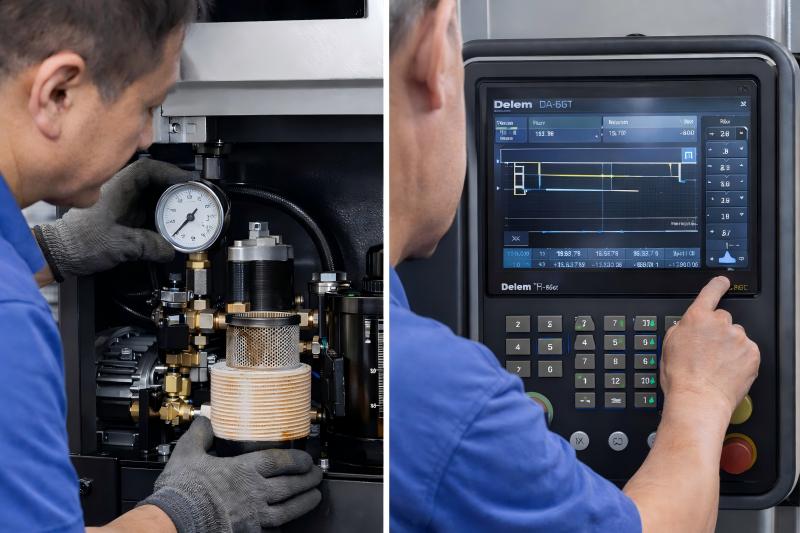
- Inspect hydraulic pressure stability
- Replace filters if necessary
- Verify CNC control parameters
Regular maintenance significantly reduces the likelihood of Press Brake Slow Ram Movement.
FAQs
What is the most common cause of Press Brake Slow Ram Movement?
In many cases, the most common cause is low hydraulic oil level or contaminated hydraulic oil. Poor oil quality reduces system pressure and affects ram speed.
Can hydraulic pump wear cause Press Brake Slow Ram Movement?
Yes. A worn or damaged hydraulic pump cannot generate sufficient pressure, which results in slower ram movement during bending cycles.
Does poor lubrication affect press brake ram speed?
Absolutely. Lack of lubrication increases friction on guide rails and moving components, which can slow down ram movement.
How can I prevent Press Brake Slow Ram Movement in the future?
The best solution is regular preventive maintenance, including hydraulic oil inspection, valve cleaning, lubrication, and electrical system checks.
Conclusion
Press Brake Slow Ram Movement is a common issue that can affect productivity and bending accuracy. From my experience, the problem is usually related to hydraulic oil quality, pump performance, valve blockage, electrical settings, or mechanical friction. By following a structured troubleshooting process and maintaining your machine regularly, you can quickly restore normal ram speed and prevent future breakdowns.
If you need professional assistance diagnosing press brake performance problems or creating a maintenance plan for your equipment, feel free to contact our technical team. Proper maintenance and timely troubleshooting will ensure your press brake operates efficiently and reliably for years to come.


