


When operators ask me about the correct method for Press Brake Worktable Cleaning, they usually want to know how to protect bending accuracy and prevent surface damage to their workpieces. From my experience in daily production environments, improper cleaning of the worktable can lead to scratches on stainless steel sheets, positioning errors, and even long-term mechanical wear. In this guide, I’ll walk you through the proper way to perform Press Brake Worktable Cleaning step by step, explain what tools and materials to use, and show you how regular cleaning directly supports bending precision and machine longevity.
Why Press Brake Worktable Cleaning Is Critical for Bending Accuracy
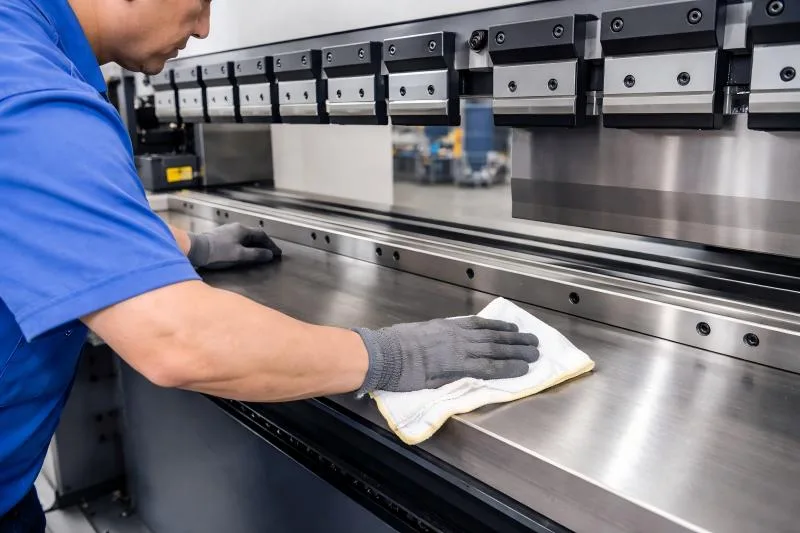
Before discussing the steps, it’s important to understand why cleaning the worktable matters.
Metal dust, oxide particles, and small scrap pieces often accumulate on the table surface during continuous bending operations. If these particles are not removed, they can:
- Scratch finished materials such as stainless steel or aluminum
- Cause sheet misalignment during positioning
- Affect backgauge accuracy
- Increase uneven loading during bending
Consistent Press Brake Worktable Cleaning helps maintain a flat reference surface, which is essential for high-precision sheet metal bending.
Tools and Materials for Safe Press Brake Worktable Cleaning
Using the wrong tools can damage the table surface. I always recommend preparing the following:
Soft Cleaning Cloths and Non-Abrasive Pads
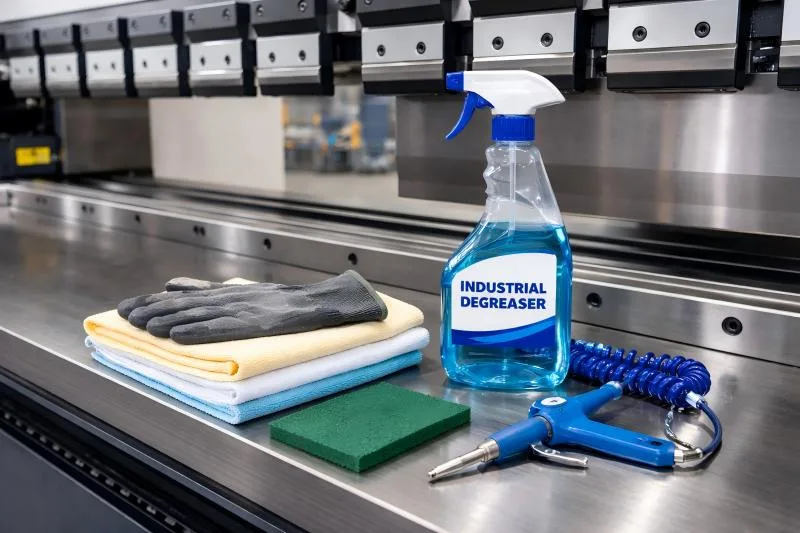
Avoid steel brushes or abrasive tools. A soft microfiber cloth prevents surface scratches while effectively removing fine particles.
Mild Industrial Degreaser
For oil stains or hydraulic residue, use a non-corrosive industrial degreaser. Make sure it is safe for painted and machined metal surfaces.
Compressed Air for Dust Removal
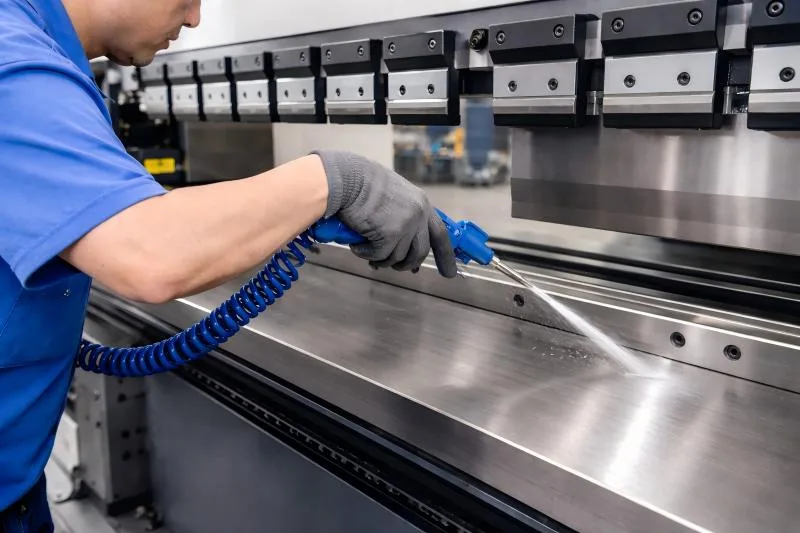
Compressed air helps remove small metal chips from grooves or T-slots. However, use controlled pressure to avoid pushing debris into mechanical components.
Step-by-Step Guide to Press Brake Worktable Cleaning
Now let me explain how I recommend performing Press Brake Worktable Cleaning in a professional workshop environment.
Step 1: Power Off and Secure the Machine
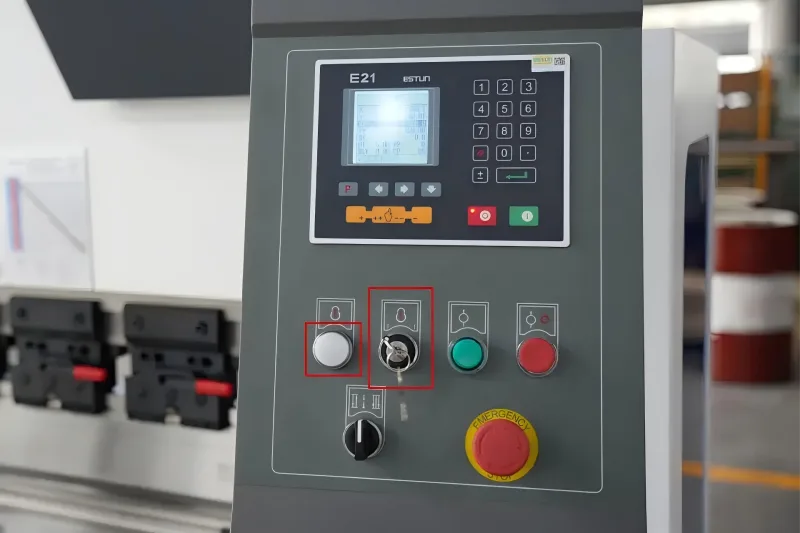
Before starting, turn off the press brake and ensure the ram is in a safe position. Safety should always come first. Lockout procedures are recommended if deep cleaning is required.
Step 2: Remove Loose Debris and Metal Scraps
Use a soft brush or compressed air to remove visible metal scraps and dust from the worktable surface. Pay special attention to T-slots and backgauge contact areas.
This step prevents particles from scratching the surface during wiping.
Step 3: Wipe the Surface with a Dry Cloth
Use a clean microfiber cloth to wipe the entire table surface. I usually start from one side and move systematically across the table to ensure no area is missed.
This dry wipe removes fine dust and loose contaminants.
Step 4: Apply Degreaser for Oil Stains
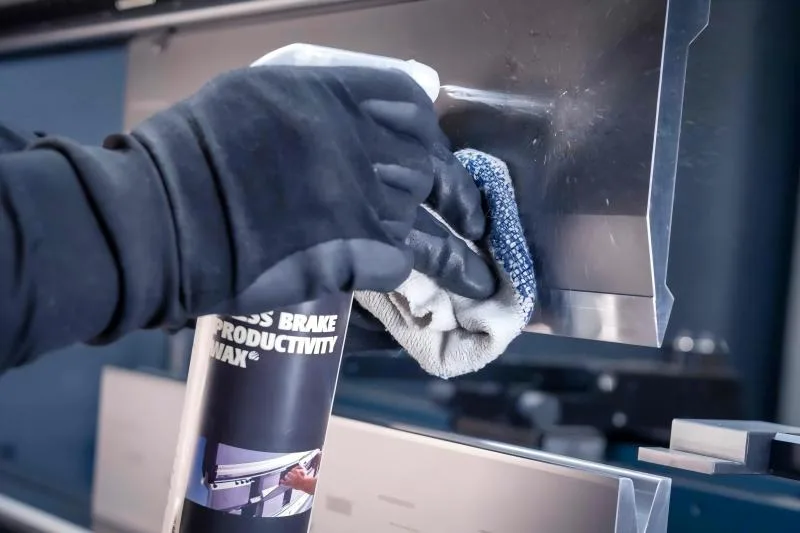
If you notice oil marks or hydraulic residue, lightly apply a mild degreaser onto the cloth—not directly onto the table. Gently wipe the stained area until clean.
Proper Press Brake Worktable Cleaning includes removing oil films that can affect sheet stability during bending.
Step 5: Inspect for Surface Damage or Burrs
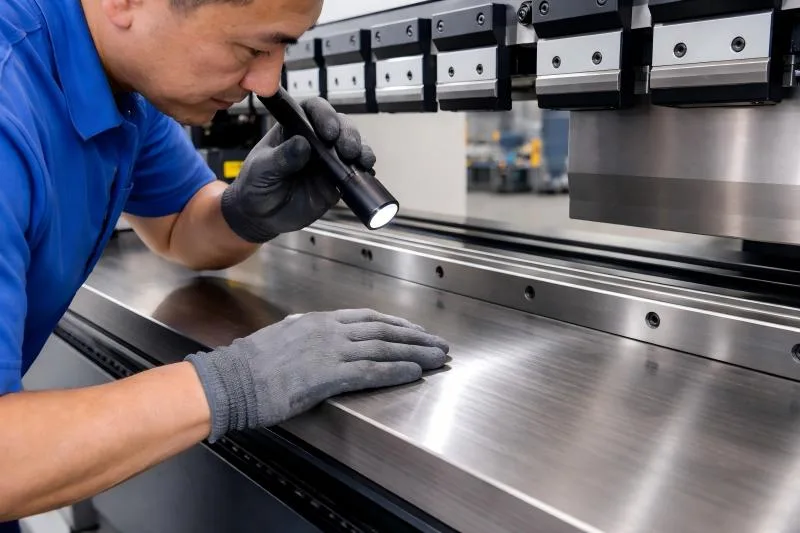
After cleaning, visually inspect the worktable for scratches, dents, or embedded metal particles. Early detection prevents long-term precision issues.
If burrs are found, they should be carefully removed using appropriate professional methods.
Preventing Surface Damage During Daily Operations
Cleaning alone is not enough. Preventive habits reduce contamination buildup.
Clean After Each Production Shift
I recommend performing basic Press Brake Worktable Cleaning at the end of each shift. This prevents debris accumulation and protects finished materials.
Avoid Placing Rough Materials Directly on the Table
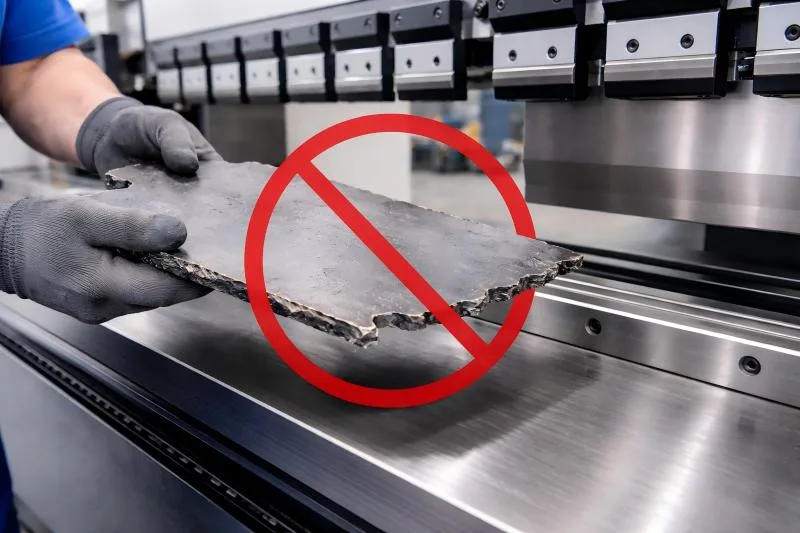
Sheets with heavy burrs or slag from laser cutting should be cleaned before bending. This reduces the risk of table scratches.
Use Protective Film When Necessary
For high-end stainless steel products, using protective film reduces direct friction between the sheet and worktable.
Common Mistakes in Press Brake Worktable Cleaning
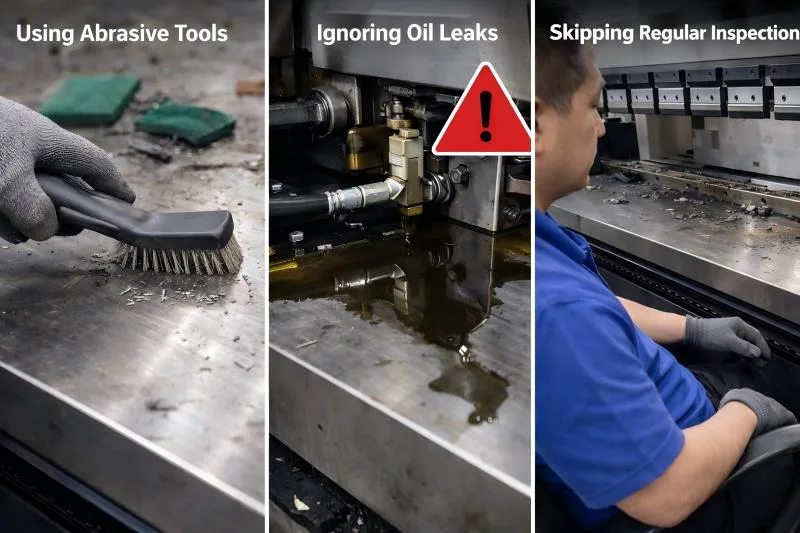
Even experienced operators sometimes make avoidable mistakes.
Using Abrasive Tools
Steel brushes or grinding pads can permanently damage the machined surface.
Ignoring Oil Leaks
If oil stains repeatedly appear after cleaning, the issue may be a hydraulic leak rather than a cleaning problem. In this case, inspection of the hydraulic system is required.
Skipping Regular Inspection
Cleaning without inspection misses early warning signs such as corrosion or uneven wear.
FAQs
How often should I perform Press Brake Worktable Cleaning?
Basic cleaning should be done daily, especially after heavy production. Deep cleaning can be scheduled weekly depending on machine usage.
Can poor Press Brake Worktable Cleaning affect bending accuracy?
Yes. Metal particles or oil residue can cause sheet misalignment, which directly impacts bending precision.
Is compressed air safe for cleaning the press brake worktable?
Yes, but it should be used carefully. Avoid directing high-pressure air toward electrical or hydraulic components.
What is the best way to remove stubborn oil stains?
Use a mild industrial degreaser applied to a cloth. Avoid harsh chemicals that may damage coatings.
Conclusion
Press Brake Worktable Cleaning is a simple but essential maintenance task that protects bending accuracy, improves product surface quality, and extends machine lifespan. By following a structured cleaning process—removing debris, wiping properly, addressing oil residue, and inspecting the surface—you can prevent unnecessary scratches and precision loss.
From my experience, consistent daily cleaning habits make a noticeable difference in long-term machine performance. If you need further guidance on press brake maintenance or want a customized cleaning checklist for your equipment, feel free to contact our technical team for professional support.


