


Press Brake Solenoid Valve Failure is one of the most common reasons a press brake moves abnormally, responds slowly, or fails to complete a bending cycle. From my experience in the workshop, these symptoms often indicate a problem within the hydraulic control system. If you’re trying to understand how to diagnose this issue quickly, the key is to follow a systematic inspection process that checks electrical signals, valve response, and hydraulic oil flow behavior. In this guide, I’ll share practical diagnostic steps based on real operating conditions to help identify whether the solenoid valve is truly the source of the problem and prevent unnecessary machine downtime.
Understanding the Role of Solenoid Valves in a Press Brake Hydraulic System
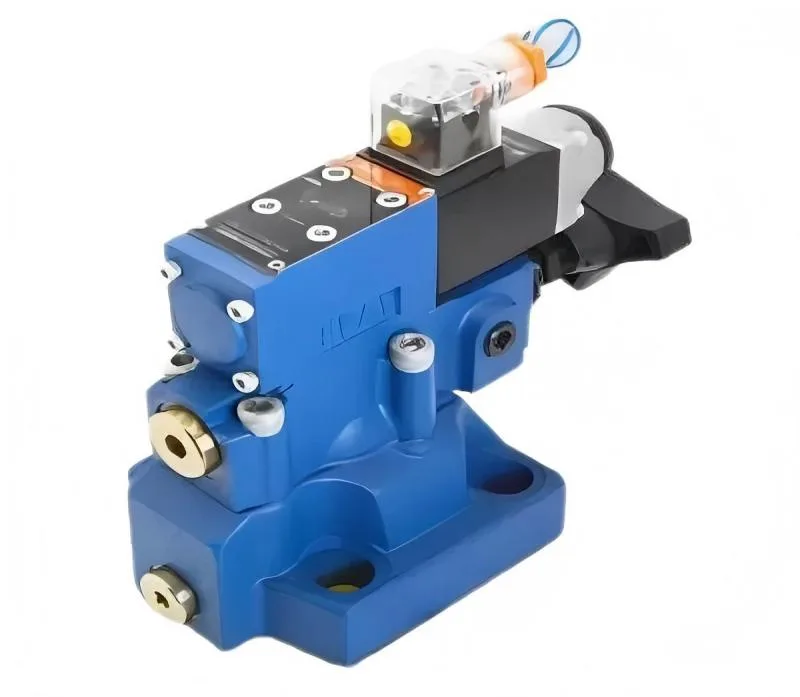
Before diagnosing problems, I always make sure operators understand what the solenoid valve actually does in a press brake.
Solenoid valves control the direction and timing of hydraulic oil flow inside the hydraulic system. When the CNC controller sends an electrical signal, the solenoid coil activates and shifts the valve spool, allowing hydraulic oil to move through the correct channel.
In a typical CNC press brake hydraulic circuit, solenoid valves are responsible for:
- Ram movement control
- Pressure release during bending
- Switching between fast approach and working speed
- Returning the ram after bending
If a solenoid valve fails, the hydraulic system cannot respond correctly, leading to machine errors or abnormal movement.
Common Symptoms of Press Brake Solenoid Valve Failure
When diagnosing hydraulic issues, I always start by observing machine behavior. Several symptoms clearly indicate possible solenoid valve failure.
Press Brake Ram Does Not Move
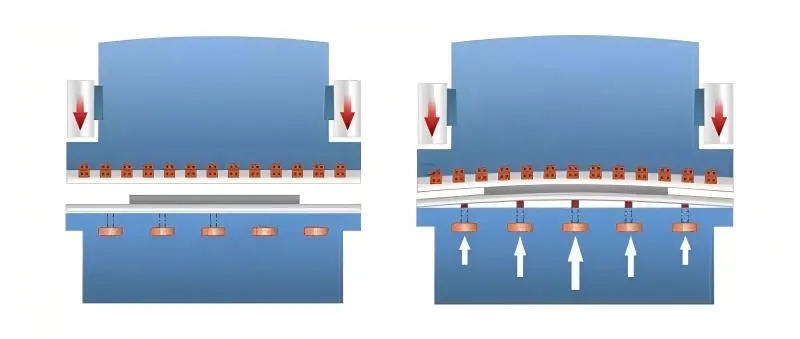
One common symptom occurs when the machine starts but the ram does not move at all. In many cases, the solenoid valve responsible for directional control is not switching.
Possible causes include:
- Burned solenoid coil
- Electrical wiring failure
- Valve spool stuck due to contamination
Checking the valve activation sound and electrical signal usually reveals the problem quickly.
Slow or Irregular Ram Movement
Another common sign appears when the ram moves slowly or hesitates during the bending cycle.
This may indicate:
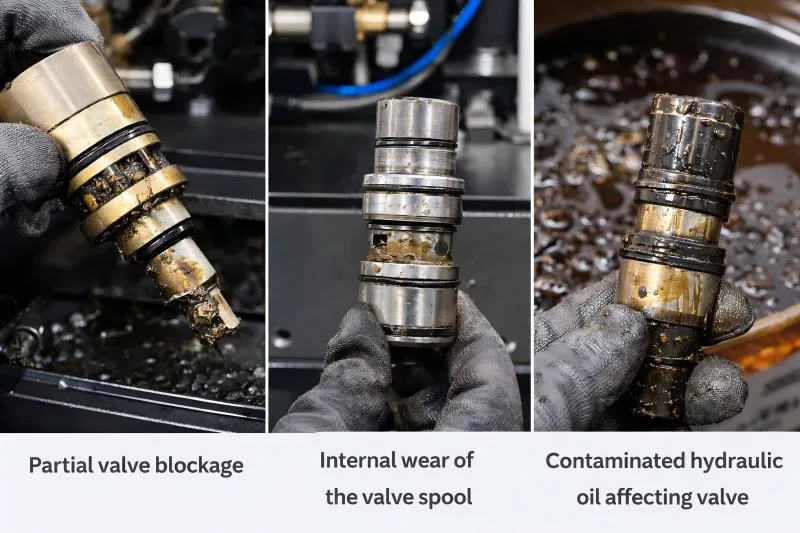
- Partial valve blockage
- Internal wear of the valve spool
- Contaminated hydraulic oil affecting valve movement
In these situations, oil cleanliness and valve response time should be inspected.
Hydraulic System Pressure Instability
Pressure fluctuations during bending can also be related to a faulty solenoid valve. If the valve cannot fully switch positions, oil flow becomes unstable, causing inconsistent bending force.
This often results in:
- Uneven bending angles
- Unstable pressure readings
- Inconsistent ram speed
Step-by-Step Method to Diagnose Press Brake Solenoid Valve Failure
When I troubleshoot a hydraulic issue, I follow a systematic inspection process to identify the exact cause.
Step 1: Check Electrical Signals to the Solenoid Coil
The first step in How to Diagnose Press Brake Solenoid Valve Failure? is verifying whether the valve is receiving an electrical signal.
I usually check the following:
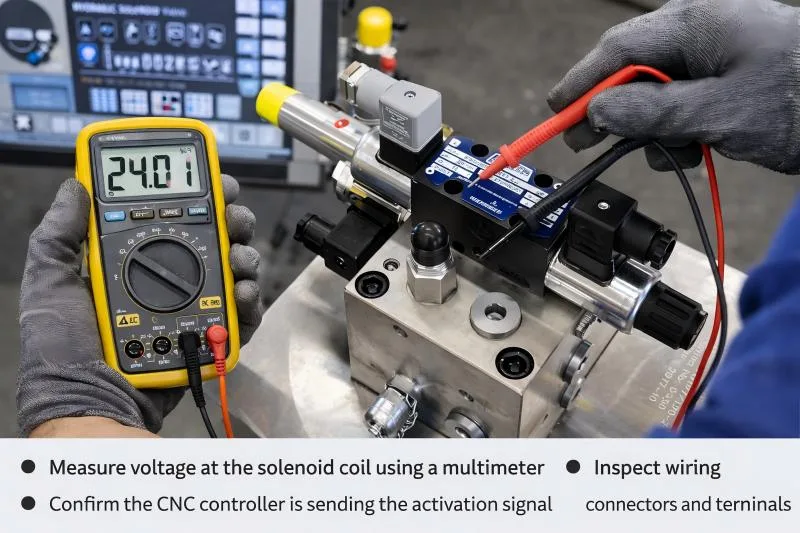
- Measure voltage at the solenoid coil using a multimeter
- Confirm the CNC controller is sending the activation signal
- Inspect wiring connectors and terminals
If voltage is present but the valve does not respond, the coil may be damaged.
Step 2: Listen for the Valve Activation Sound
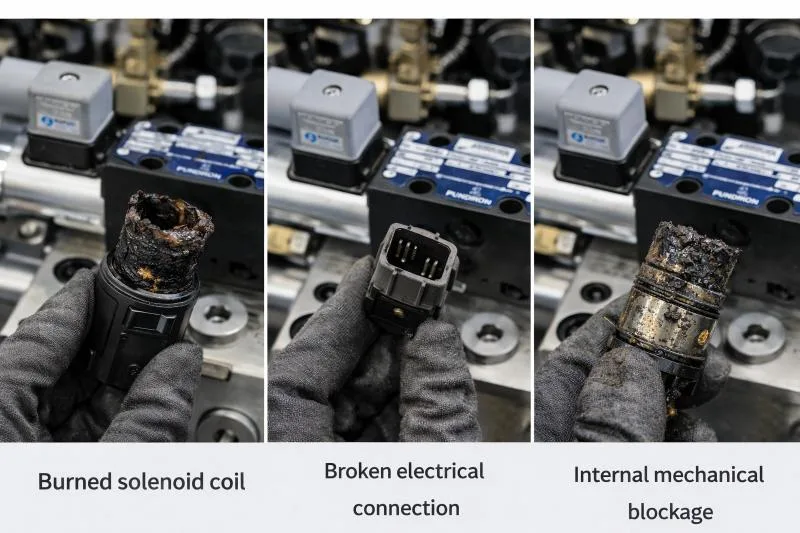
When a solenoid valve is energized, it normally produces a small clicking sound as the spool shifts.
If there is no sound when the machine command is given, it may indicate:
- Burned solenoid coil
- Broken electrical connection
- Internal mechanical blockage
Listening carefully during machine operation often provides a quick initial diagnosis.
Step 3: Inspect the Solenoid Coil Condition
After confirming electrical signals, I remove and inspect the coil.
Common issues include:
- Coil overheating
- Burn marks or insulation damage
- Loose mounting
A damaged coil must be replaced immediately because it cannot generate the magnetic force needed to move the valve spool.
Step 4: Check for Hydraulic Oil Contamination
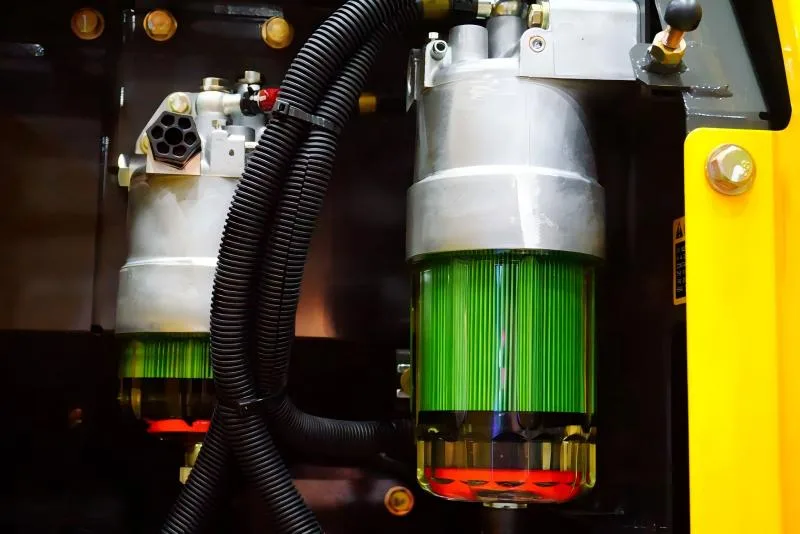
In many cases, the solenoid valve itself is not electrically damaged but mechanically stuck due to oil contamination.
Metal particles or sludge inside hydraulic oil can cause:
- Valve spool jamming
- Delayed switching
- Internal leakage
Cleaning the valve and replacing hydraulic filters usually restores proper operation.
Step 5: Test the Valve Manually
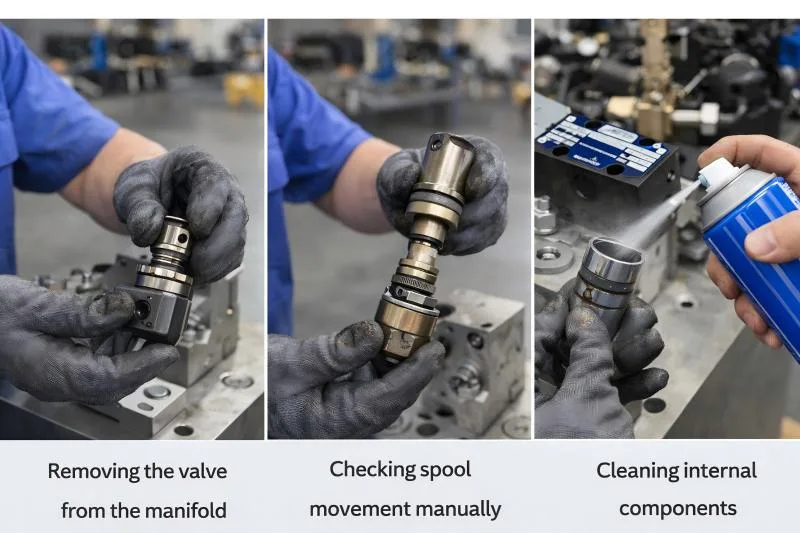
If electrical and oil conditions appear normal, I perform a manual valve test.
This may involve:
- Removing the valve from the manifold
- Checking spool movement manually
- Cleaning internal components
A stuck spool often confirms the cause of solenoid valve failure.
Preventive Maintenance to Avoid Solenoid Valve Failure
In my experience, most solenoid valve problems are preventable through proper maintenance practices.
Maintain Hydraulic Oil Cleanliness
Clean hydraulic oil is critical for valve performance. Preventive actions include:
- Replacing hydraulic oil at scheduled intervals
- Installing high-quality oil filters
- Monitoring oil contamination levels
Clean oil prevents internal valve wear and blockage.
Inspect Electrical Connections Regularly
Loose electrical connections can interrupt the signal to solenoid valves.
Routine inspections should include:
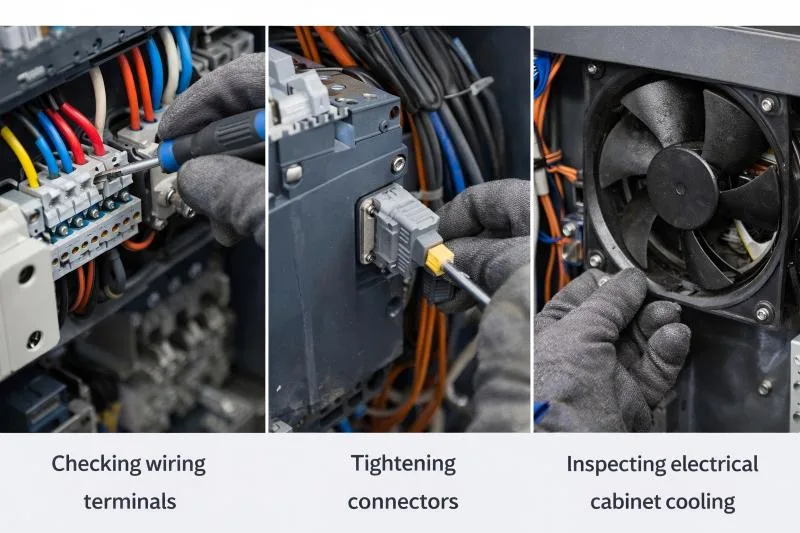
- Checking wiring terminals
- Tightening connectors
- Inspecting electrical cabinet cooling
Stable electrical signals ensure reliable valve operation.
Monitor Hydraulic System Temperature
Excessive heat accelerates coil aging and reduces valve lifespan. Maintaining proper cooling helps extend component life.
FAQs
What is the most common cause of press brake solenoid valve failure?
In many cases, hydraulic oil contamination causes the valve spool to stick. Dirty oil can block internal channels and prevent proper valve switching.
Can a press brake operate with a faulty solenoid valve?
Usually not. A failed solenoid valve prevents correct hydraulic flow control, which may stop the ram from moving or cause unstable bending performance.
How do I confirm a solenoid valve coil is burned out?
You can measure coil resistance using a multimeter. If there is no continuity or the resistance value is abnormal, the coil is likely damaged.
How often should solenoid valves be inspected in a press brake?
During routine press brake maintenance, valves should be visually inspected and tested periodically, typically every few months depending on machine usage.
Conclusion
Learning How to Diagnose Press Brake Solenoid Valve Failure? is essential for maintaining stable hydraulic system performance. By observing machine symptoms, checking electrical signals, inspecting the solenoid coil, and verifying hydraulic oil cleanliness, most solenoid valve issues can be identified quickly.
From my experience working with press brakes in production environments, early diagnosis prevents extended downtime and protects expensive hydraulic components. Regular maintenance of hydraulic oil, electrical connections, and valve condition is the best strategy to ensure reliable machine operation.
If you need professional guidance on press brake troubleshooting or maintenance solutions, our engineering team at HARSLE is always ready to help you keep your equipment running efficiently.


