


When it comes to industrial machines like press brakes, safety is not optional—it’s essential. If you’re wondering why Emergency Stop Systems should be tested regularly, the answer is simple: they are your last line of defense in preventing serious accidents. In this article, I’ll explain why routine testing matters, how to perform it correctly, and what risks you avoid by keeping your emergency stop system in top condition.
Why Emergency Stop Systems Are Critical in Press Brake Safety
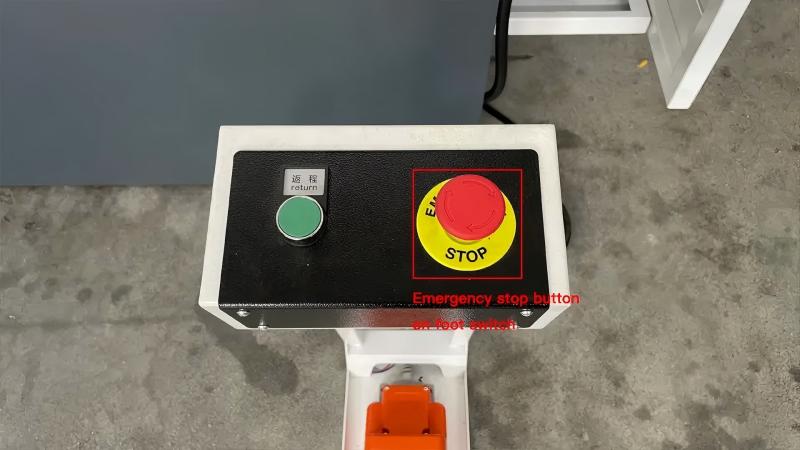
Emergency Stop Systems are designed to immediately halt machine operation when a dangerous situation occurs. Whether it’s an operator error, unexpected movement, or system malfunction, the emergency stop (E-stop) ensures that the machine stops within milliseconds.
In press brake operations, where high tonnage and moving parts are involved, even a small delay can lead to injury or equipment damage. That’s why relying on an untested system is a serious risk. Regular testing ensures that the system responds instantly and reliably when needed.
Common Risks of Not Testing Emergency Stop Systems
Delayed Machine Response Time
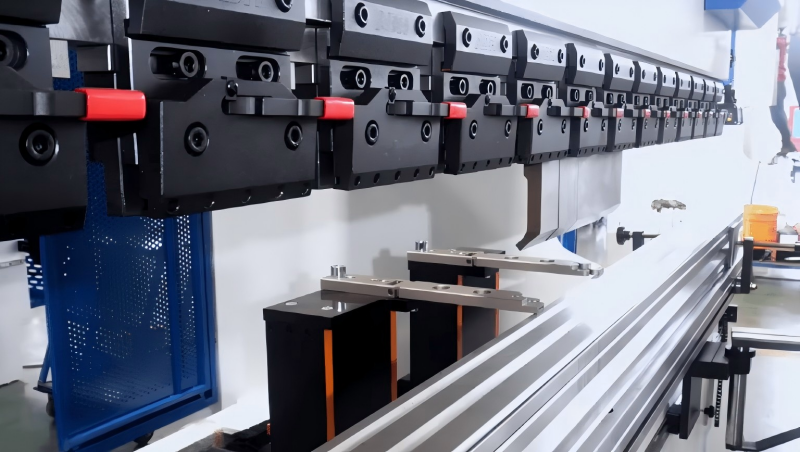
Over time, electrical components, relays, or wiring can degrade. If Emergency Stop Systems are not tested, response time may increase, reducing their effectiveness during critical moments.
Hidden Electrical Failures
Faulty circuits, loose connections, or worn-out switches can go unnoticed. Without routine checks, these issues may only become apparent during an emergency—when it’s already too late.
Compliance and Safety Violations
Many industrial safety standards require regular inspection and testing of Emergency Stop Systems. Failing to comply can result in penalties, production shutdowns, or liability issues.
How to Test Emergency Stop Systems on a Press Brake
Step 1: Power On and Prepare the Machine
Before testing, ensure the machine is running under normal operating conditions. This helps simulate a real working environment for accurate results.
Step 2: Activate the Emergency Stop Button
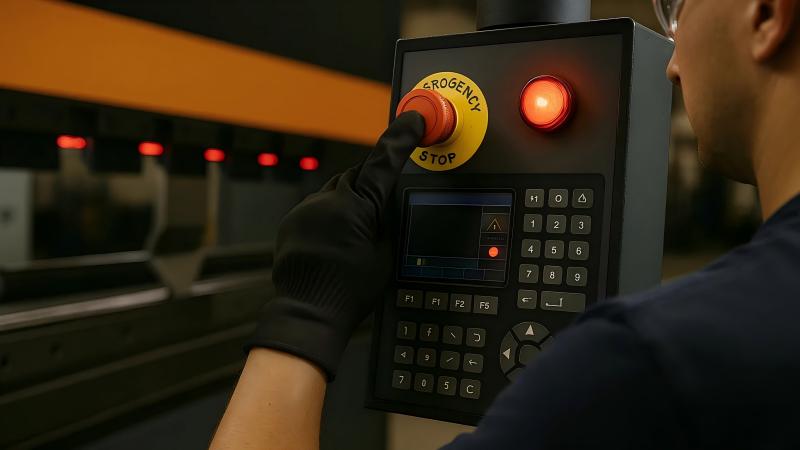
Press the E-stop button firmly. The machine should stop immediately, cutting off motion and hydraulic or electrical power.
Step 3: Verify Complete System Shutdown
Check that all movements, including the ram, backgauge, and auxiliary systems, have fully stopped. Any delay or partial stop indicates a potential issue.
Step 4: Reset the Emergency Stop System
Release and reset the E-stop button according to the machine’s procedure. Ensure the system does not restart automatically without operator confirmation.
Step 5: Inspect Mechanical and Electrical Components
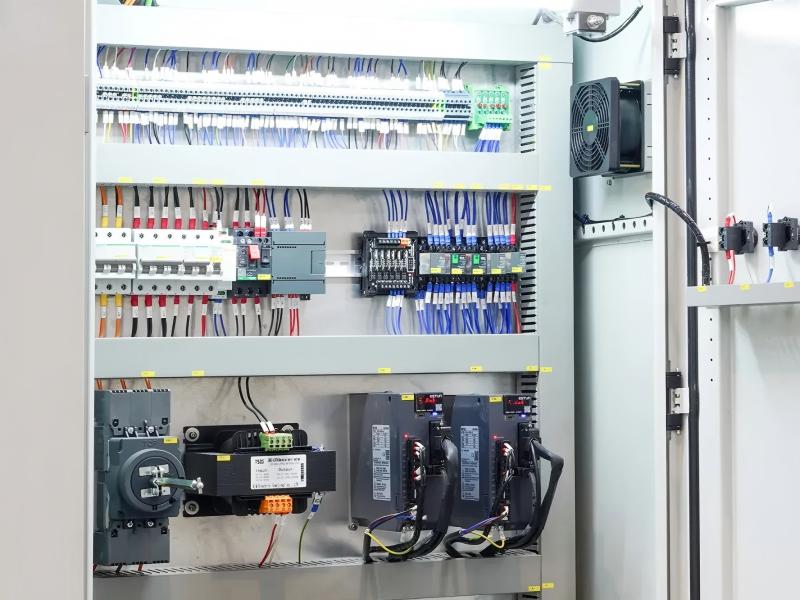
Examine the emergency stop button, wiring, relays, and control system. Look for wear, looseness, or signs of damage that could affect performance.
Best Practices for Emergency Stop System Maintenance
Routine Inspection Schedule
I recommend testing Emergency Stop Systems daily or before each shift, especially in high-production environments. Regular checks reduce the risk of unexpected failure.
Keep Components Clean and Protected
Dust, oil, and debris can affect button responsiveness and electrical connections. Maintaining a clean environment helps ensure reliable operation.
Train Operators on Proper Use
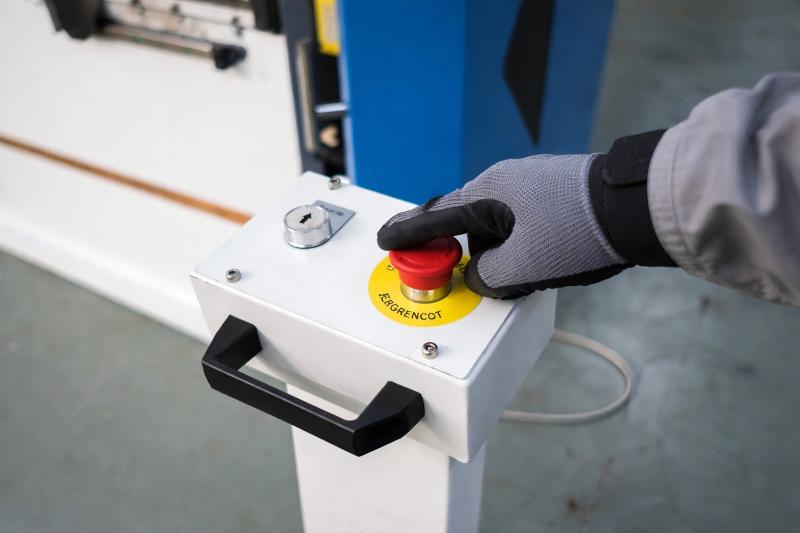
Operators should understand when and how to use the emergency stop. Misuse or hesitation can reduce its effectiveness in real emergencies.
Replace Worn or Damaged Parts
If any component shows signs of wear, replace it immediately. Preventive replacement is far more cost-effective than dealing with accidents or downtime.
Advanced Considerations for Modern CNC Press Brakes
Integration with Safety Systems
Modern press brakes often integrate Emergency Stop Systems with light curtains, safety relays, and CNC controllers. Testing should include all interconnected systems to ensure full functionality.
Monitoring Through CNC Diagnostics
Many CNC systems provide diagnostic feedback. Use these tools to monitor the health of safety circuits and detect potential issues early.
Redundancy and Fail-Safe Design
High-end machines use redundant circuits to ensure safety even if one component fails. Regular testing verifies that these fail-safe mechanisms work as intended.
FAQs
How often should Emergency Stop Systems be tested?
Emergency Stop Systems should be tested daily or before each shift to ensure immediate response and reliability.
What happens if an emergency stop fails during operation?
A failed system can lead to serious injury, machine damage, and production downtime. That’s why regular testing is essential.
Can I rely on visual inspection alone?
No. While visual checks help identify obvious issues, functional testing is necessary to confirm proper system performance.
Conclusion
Emergency Stop Systems are a critical safety feature that should never be overlooked. By testing them regularly, you ensure fast response, protect operators, and maintain compliance with safety standards. From simple daily checks to advanced system diagnostics, consistent maintenance helps prevent costly accidents and downtime.
If you want to improve your press brake safety or need professional guidance, feel free to contact the HARSLE team. We’re here to help you keep your machines running safely and efficiently.


